Chairman Powell reiterates that the Fed is on hold for the long haul
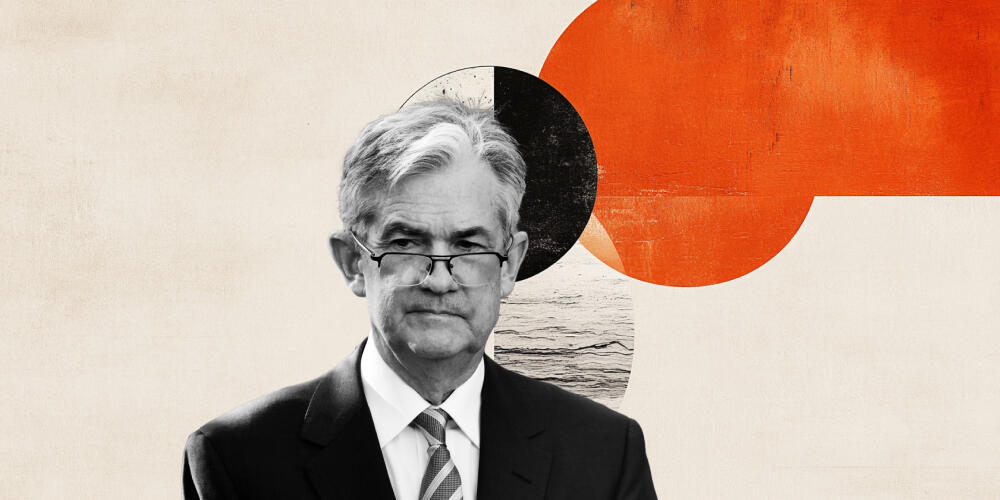
The Fed chair testified to the US Congress today, as part of his semi-annual testimony to US lawmakers. Powell said that the US economy was strong, that the labour market remains solid, and that inflation is easing, but remains above the 2% target rate. Powell also justified the Fed’s stance by saying that even with restrictive policy, the US economy continues to grow at a strong rate, which negates the need to hike interest rates. The Fed chair seems determined not to fall behind the curve, and warned lawmakers that easing policy too quickly could trigger another bout of inflation.
Powell avoids tariff talk
The elephant in the room was President Trump’s tariff policies. However, the Fed chair kept out of any political discussions. He did face questions on the impact of tariffs but stuck to his recently mantra that it is not the Fed’s responsibility to deal with trade policy, instead he focused on the Fed’s commitment to its mandate to maintain full employment and to return inflation to 2%.
So far, so diplomatic. Powell has two days of testimony, and we expect tomorrow’s session to remain fairly like today’s. The focus on Tuesday was more concentrated on banking regulation rather than monetary policy, including President Trump’s cancellation of the Consumer Financial Protection Bureau. Unsurprisingly, the Fed chair swerved serving up any opinion on this move, and instead confirmed that there is now no regulator for consumer banking. He also reiterated that the US’s banking system is safe.
Overall, these testimonies are rarely controversial, and a prepped Powell knows how to dodge inflammatory questions. Added to this, President Trump has toned down his calls for interest rates to fall, and instead his Treasury Secretary recently said that the President’s team are more focused on the 10-year Treasury yield than interest rates.
Powell fails to upset markets, as the market dares to hope that US tariffs won’t topple global growth
Bland commentary equates to a bland market reaction. There was risk off tone to the bond market today, however, US Treasuries were more resilient than their US counterparts, and the 10-year Treasury yield is only higher by 3bps, which should not cause too much concern at the White House.
US stock markets are a touch lower on Tuesday, which could be a sign that the market is mildly disappointed about the lack of rate cuts. However, the Atlanta Fed’s estimate for Q1 GDP is 2.9%, which could boost investor sentiment, as it suggests that recent tariffs have not dented the pace of US growth too much. Overall, traders are in a wait and see mode, in case Trump unleashes a wave of mega tariffs on the EU. The EU has already said that it will fight back, and slap retaliatory tariffs on the US straight away, in a sign that the EU won’t take this lying down.
The market remains calm about the prospect of more tariffs and a trade dispute between the US and the EU. Maybe they expect the recent escalation in rhetoric to diffuse into a negotiation, since the Vix volatility index remains stable. Added to this, the gold price is lower on Tuesday, and is down $4, although it remains above $2,900. This could be a sign that the market is complacent about tariff risks, or if President Trump does not slap tariffs on precious metals, then we could see some of the recent run up in the gold price get reversed. The dollar is also lower on Tuesday evening, in another sign that the market is less concerned about tariff risks.
Author

Kathleen Brooks
XTB UK
Kathleen has nearly 15 years’ experience working with some of the leading retail trading and investment companies in the City of London.

















