|

Central bank will start policy tightening in March
The USDINR pair made a gap up opening at 74.39 levels and traded in the range of 74.37-74.60 with an upside bias. The pair finally closed at 74.57 levels. The RBI set the reference rate at 74.4115. The USDINR pair rose today because state-owned and foreign banks persistently purchased the US dollar on behalf of oil marketing companies, noting elevated Brent crude oil prices. Prices of crude oil rose sharply and touched the $88-per-barrel mark as investors expected supply to remain tight amid restrained output by major producers with global demand unperturbed by the Omicron variant. 

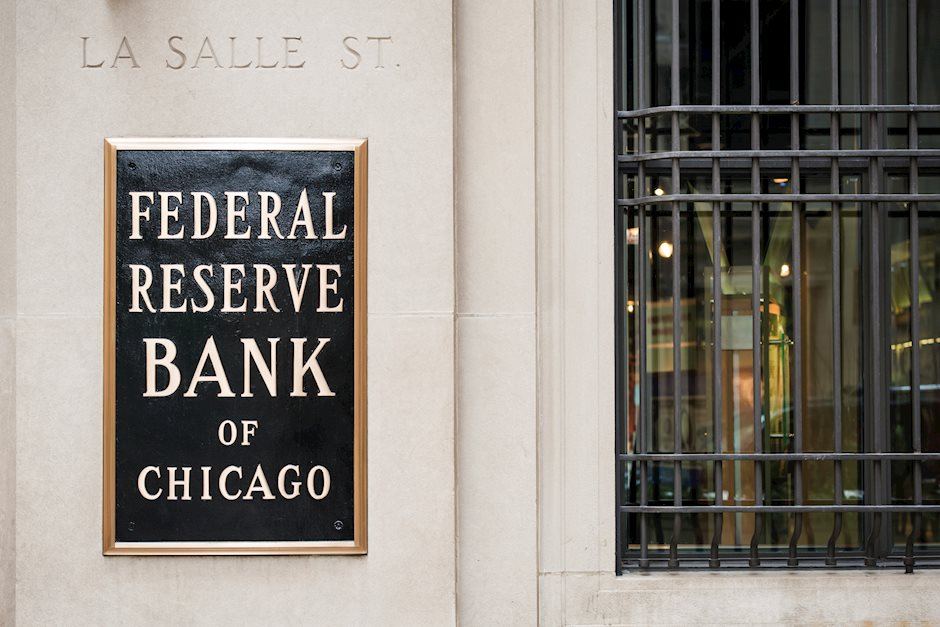
Crude oil prices also jumped after Yemen's Houthi group attacked storage facilities in the UAE, escalating tensions in the region and raising concerns over the supply. A slump in domestic equity indices also supported sentiment for the pair. The dollar index remained elevated globally following hawkish statements by senior Fed officials in recent weeks ahead of the Jan 25-26 FOMC meeting. While market participants do not expect an interest rate hike next week, they are anticipating that the central bank will start policy tightening in March. 

The BoJ raised its inflation forecasts but said it was in no rush to change its ultra-loose monetary policy, as rising prices fan speculation it may soon signal a shift in its decade-old stimulus experiment. German investor sentiment surged in January on expectations that the incidence of COVID-19 cases will fall by early summer, allowing growth in Europe's largest economy to pick up in the coming six months.

Download The Full Daily Currency Highlights

Author

Abhishek Goenka

Abhishek Goenka

IFA Global

Mr. Abhishek Goenka is the Founder and CEO of IFA Global. He pilots the IFA Global strategic direction with a focus on relentlessly improving the existing offerings while constantly searching for the next generation of business excellence.


More from Abhishek Goenka
Share:

Editor's Picks

EUR/USD weakens to near 1.1900 as traders eye US data

The EUR/USD pair loses ground to around 1.1905, snapping the two-day winning streak during the early European trading hours on Tuesday. Markets might turn cautious ahead of the release of key US economic data, including US employment and inflation reports that were pushed back slightly due to the recently ended four-day government shutdown.

GBP/USD edges lower below 1.3700 on UK political risks, BoE rate cut bets

The GBP/USD pair trades on a weaker note around 1.3685 during the European session on Tuesday. The Pound Sterling edges lower against the US Dollar amid political risk in the United Kingdom and rising expectations of near-term Bank of England rate cuts. 

Gold drifts lower as positive risk tone tempers safe-haven demand; downside seems limited

Gold drifts lower during the Asian session on Tuesday and snaps a two-day winning streak, though it lacks strong follow-through selling and shows some resilience below the $5,000 psychological mark amid mixed cues. The outcome of Japan's snap election on Sunday removes political uncertainty, which, along with signs of easing tensions in the Middle East, remains supportive of the upbeat market mood.

Bitcoin Cash trades lower, risks dead-cat bounce amid bearish signals

Bitcoin Cash trades in the red below $522 at the time of writing on Tuesday, after multiple rejections at key resistance. BCH’s derivatives and on-chain indicators point to growing bearish sentiment and raise the risk of a dead-cat bounce toward lower support levels.

Follow the money, what USD/JPY in Tokyo is really telling you

Over the past two Tokyo sessions, this has not been a rate story. Not even close. Interest rate differentials have been spectators, not drivers. What has moved USD/JPY in local hours has been flow and flow alone.

Bitcoin Cash trades lower, risks dead-cat bounce amid bearish signals

Bitcoin Cash (BCH) trades in the red below $522 at the time of writing on Tuesday, after multiple rejections at key resistance. BCH’s derivatives and on-chain indicators point to growing bearish sentiment and raise the risk of a dead-cat bounce toward lower support levels.