Can Warsh pull the rabbit out of the hat?
Outlook
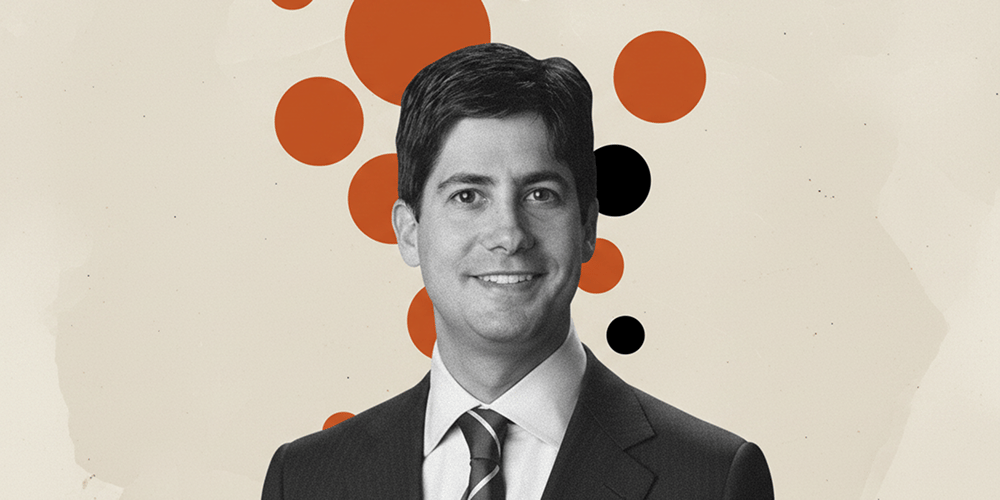
The top story for later today and the weekend is Mr. Warsh’s keynote speech at Jackson Hole. He has to reassure everyone that he is still an inflation hawk without
openly criticizing TreasSec Bessent for playing games with yields. He has to show support for “let the markets decide“ (without Fed input) while pretending the buybacks are only liquidity management and not the price tinkering they really are.
One analyst points out that the audience includes the other FOMC board members. Warsh may try to distract with expectations of a fresh perspective from the task forces, but the top issue is inflation well over the 2% target for over 5 years. This is an institutional failure and Warsh can’t easily avoid explaining how he plans to deal with it. Jiggering data differently and re-arranging the deck chairs will not suffice.
The second big subject is restructuring the Fed in several ways, including shrinking the balance sheet. There is no way to reconcile shrinking the Fed balance sheet with Bessent’s meddling.
Unless Warsh addresses inflation and the conflict with the Treasury in a coherent way, he will be judged lacking in credibility and stature. That spills over to the Fed as an institution. Stay tuned. Can he pull the rabbit out of the hat?
The Daily Shot reports Jackson Hole tends to be unfriendly to equities: “Jackson Hole has historically generated outsized equity volatility, with the S&P 500 averaging a 1.03% absolute move following the Fed chair’s speech versus 0.63% on other August sessions, while negative reactions have tended to be particularly sharp.
Off on the side, Trump has ordered Lake Ontario be renamed Lake America. This is starting to make those who say he is deranged—literally mentally ill—sound less nuts themselves.
Forecast
We will now be gone for over a week to Sept 11. Keep the faith. That means look at the channels on the chart and believe them. When a correction/retracement/consolidation begins, it shows up in the MACD and is a warning sign.
The channel is not much help in setting entries, stops and targets, but believe in it as preventing getting gamed by short-term moves.
Where is the dollar going? It “should” go down as other central banks will be raising rates while the Fed is expected to hold, at least at the Sept meeting. But before then, we will get fresh information from Mr. Warsh about his plans and from Mr. Bessent about his buybacks. It’s possible neither delivers any real change or one or both delivers a bombshell. Surely they must be talking to one another?
Long, long-term: The Middle East conflict is going to get worse. Maybe not an outright shooting war, but certainly a rearrangement of loyalties and deals with the West and the East. The US has failed to defend and support some allies in the region as well as demonstrating a shocking lack of loyalty, let alone keeping promises.
As we already see in the weird alignment of Saudi Arabia, Turkey and Pakistan, the sands are shifting. The Mecca Pact is set along the lines of NATO—an attack on one is an attack on all. The US dominance and leadership in the Middle East has ended. We do not know what will replace it. China is waiting in the wings and no doubt has a Plan.
We are not going to get into the religious side of things—Sunni vs. Shia. It looks like Iran’s call for “all Muslims” to stick together is falling on deaf ears. Religious differences are being shunted aside, for the moment anyway, in an economic crisis of drastically falling revenues and ruined infrastructure.
And it was ever thus. We get a Middle East crisis every few years. The old colonialists would say these are people without the capability to govern themselves. Okay, self-determination is a universal principle but not pragmatic in all cases. A nasty judgment but supported by historic outcomes, right? Golly, which country has had seven PM’s in the last ten years? And which country has a president who is a convicted criminal who never stops lying and grifting—and elected him twice?
The US is not butting out. It’s being pushed out. Whatever develops, risk will rise, not fall. Rising risk leads to risk aversion in markets and risk aversion always benefits the safe haven dollar, however ironic that it’s the US mismanagement causing the rise in risk aversion in the first place. Longer run, king dollar will be back, overwhelming whatever is going on in the US economy, US politics and the US bond market. But that’s the long run, whatever that is.
When? Nobody knows. At a guess, sometime in the next 6-12-24 months.
This is an excerpt from “The Rockefeller Morning Briefing,” which is far larger (about 10 pages). The Briefing has been published every day for over 25 years and represents experienced analysis and insight. The report offers deep background and is not intended to guide FX trading. Rockefeller produces other reports (in spot and futures) for trading purposes.
To get a two-week trial of the full reports plus traders advice for only $3.95. Click here!
Author

Barbara Rockefeller
Rockefeller Treasury Services, Inc.
Experience Before founding Rockefeller Treasury, Barbara worked at Citibank and other banks as a risk manager, new product developer (Cititrend), FX trader, advisor and loan officer. Miss Rockefeller is engaged to perform FX-relat