|

Burnham gets his feet under the desk

The new PM is already making waves, on a day when investors are already preoccupied with the conflict in the Middle East, says Chris Beauchamp, Chief Market Analyst at online trading and investing platform IG.

Burnham begins cabinet appointments

In a move that surprises no one, Rachel Reeves has become one of the early casualties of Burnham’s move into No 10. Investors find themselves having to try and second guess the first wave of moves from the new PM, and hints about flexibility in the government’s fiscal rules are one of the first suggestions of a step change in policy. But with possible social care reform and a raising of income tax personal allowances being mooted, the cost to the state, and ultimately the taxpayer, appears to be stacking up already.

More US-Iran strikes keep markets on edge

The tone for the week has already been set as the US and Iran continue to trade strikes. And now a second waterway closure looms to cause further problems for global markets. While some hints of a return to negotiations helped to continue Friday’s late rally, this has begun to stumble as news of fresh attacks filters through. The next two weeks will be a tussle between conflict news and big-name earnings, and the tug of war between these two is likely to keep volatility elevated.

Author

Chris Beauchamp

Chris Beauchamp has been with IG for four years, and in that time has become a regular commentator and analyst for the financial press and TV, with appearances on all the major financial channels as well as the BBC and Sky News.


More from Chris Beauchamp
Share:

Editor's Picks

GBP/USD struggles as traders evaluate BoE policy, UK political developments

GBP/USD steadies after three days of losses, trading around 1.3430 during the Asian hours on Tuesday. After recently surging toward two-month highs near 1.3550, the pair has moderated as foreign exchange traders evaluate shifting monetary policies between the Bank of England and the US Federal Reserve alongside political developments in the United Kingdom.

EUR/USD bears retain control below 200-SMA on H4; break of 1.1400 awaited

The EUR/USD pair is seen consolidating during the Asian session on Tuesday and trading just above the 1.1400 mark, or a four-day low touched the previous day. Market participants seem hesitant and keenly await the highly-anticipated European Central Bank meeting on Thursday before positioning for the next leg of a directional move.


Gold rises cautiously as Fed hike bets, US‑Iran tensions cap gains

Gold regains positive traction following the previous day's two-way price moves, though it struggles to capitalize on the move and trades below the $4,050 level during the Asian session on Tuesday. Despite a cycle of tit-for-tat strikes between the US and Iran, US Secretary of State Marco Rubio said on Sunday that the US was still open to holding talks with Iran, keeping hopes alive for a potential diplomatic resolution to the conflict.

Grayscale eyes Worldcoin ETF launch following S-1 filing

Grayscale filed an S-1 registration statement with the US Securities and Exchange Commission on Monday to launch a Grayscale Worldcoin ETF. The proposed fund, which would trade on Nasdaq under the ticker GWLD, is designed to give investors exposure to Worldcoin through a traditional brokerage account, eliminating the need to buy the token directly.

Here's where the Canadian Dollar is headed next: 4 bearish scenarios and a bullish one
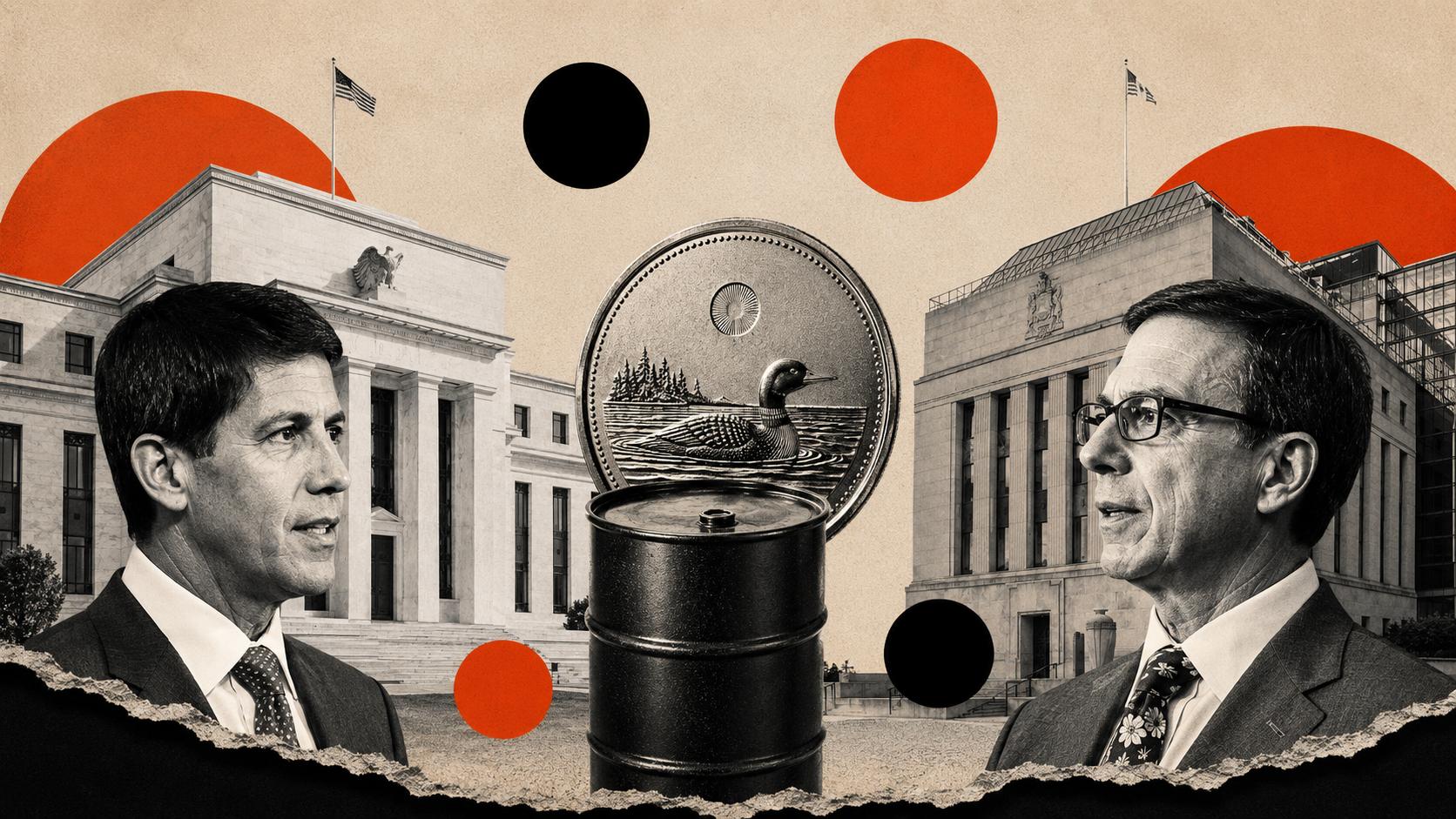
The Canadian Dollar (CAD) has ridden a volatile first half of the year, with Oil prices surging and then falling as markets danced to the Middle East’s tune. Neither the Bank of Canada nor the Federal Reserve has changed rates so far this year, and the USD/CAD's next move may depend on which of the two banks fails to deliver what markets expect.
US Dollar mid-year outlook: Exceptional currency, exceptional risks?
The US Dollar enters the second half of 2026 in a markedly different position from a year ago. The King currency has recovered, reflecting persistent US inflation, changing expectations for Fed policy, geopolitical tensions and renewed demand for defensive assets.