Budget preview: Is Healey impressing the bond market?

There is less than 2 weeks to go before the Chancellor delivers his first budget. Unusually for the UK, the economic and financial backdrop to this budget is upbeat.
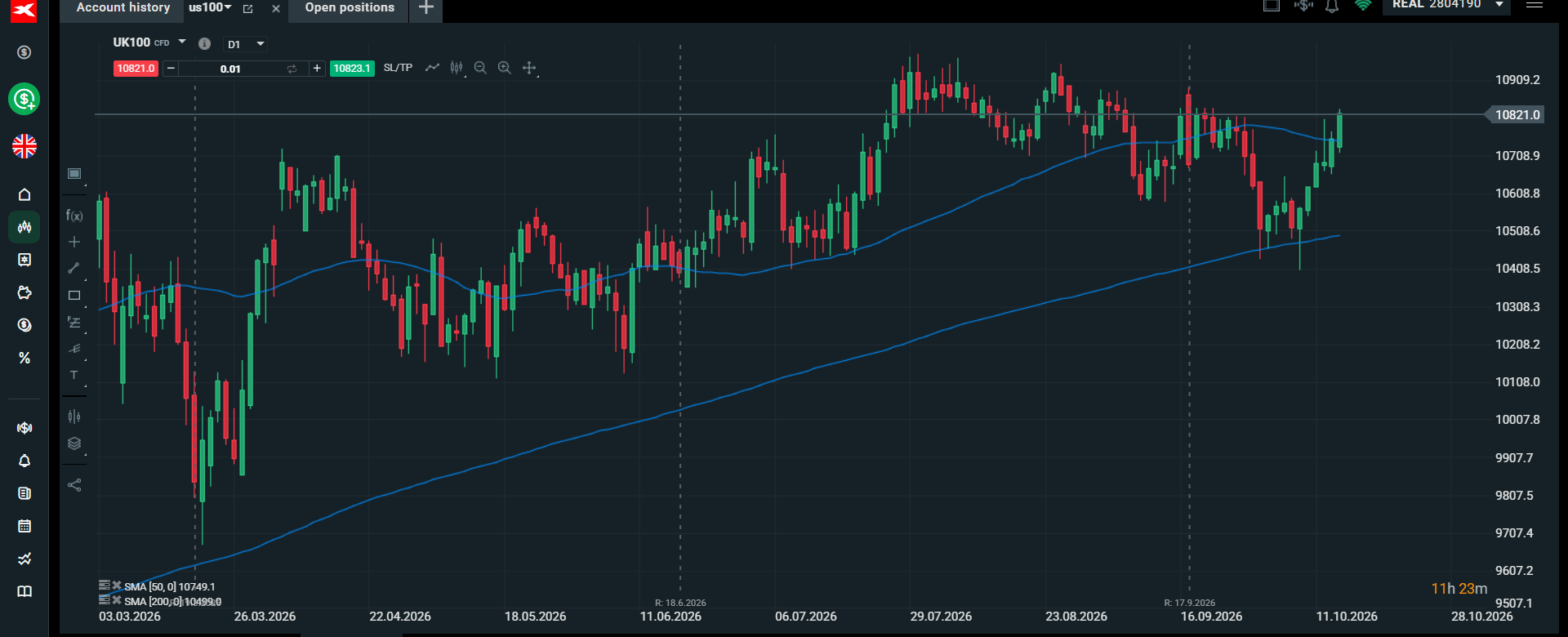
UK bonds have been rallying, the FTSE 100 is the top performing major stock index this week, and the pound is also stabilising versus the dollar. So far, the options market is not expecting volatility in the pound around the Budget on 28th October.
The economy is growing at its fastest annual rate for nearly 4 years, the IMF has upgraded UK forecasts and praised its deficit reduction plan. UK GDP keeps surprising on the upside. Growth in the three months to August was 0.7%, and in the 12-months to August growth was a robust 2.2%. This is positive for the Chancellor as it suggests that economic momentum is picking up, which may boat revenues down the line.
However, this does not mean that Healey can be complacent. The UK had a fiscal deficit of 4.2% of GDP in the last fiscal year and the UK’s public financial situation remains tight. As the IMF warned this week, there is not much money for giveaways.
The Budget backdrop
Even with this good news, the backdrop remains cautious. This year has been characterised by bond market volatility, energy price spikes and concerns about rising debt levels in developed nations. On balance, the pre-budget chatter is less about tax hikes and more towards reigning in public sector spending.
The UK’s growth spurt has been driven by business investment, with half of growth coming from computer programming, legal services, advertising and information services. This means that the Chancellor needs to be careful not to disincentivize investment and entrepreneurship in the Budget, otherwise the economy could take a hit.
The Chancellor and the Prime Minister have both continued to reiterate that they will stick to Rachel Reeves’ fiscal rules, which is important for bond investors.
In recent days, there have been several budget leaks, and we are getting a better understanding of the issues at stake, as you can see below:
The main issues at stake
- Fiscal headroom: This is a crucial issue as we lead up to Budget day. At the time of the last budget 11 months ago, the headroom was £22bn. This was a decent buffer that helped to calm the market, however, a series of shocks including higher energy and bond yields, is leading to worries about how much headroom is left.
- Some analysts fear that the headroom, a cash buffer to protect the UK economy from unexpected shocks that needs to be maintained each year, may have dwindled to half last year's level. However, the Institute for Fiscal Studies have said that fiscal headroom could be around £20bn, compared with a £24bn forecast in March, but it could fall to as low as £10bn, if earnings growth takes a hit. Until budget day, the actual fiscal headroom figure is highly uncertain and is dependent on the Office for Budget Responsibility’s (OBR) forecasts.
- Borrowing: The IFS expects the OBR to report higher levels of borrowing over the next 5 years compared to what was expected in March, however, crucially borrowing is still set to fall over the coming years, and we expect the OBR to confirm that Healey’s Budget will stick to Rachel Reeves’ fiscal rules.
- Spending: The biggest losers in this budget could be government departments, where budgets are falling in real terms because of the effect of higher inflation forecasts that are expected from the OBR. The government has shown a preference for protecting NHS and defense budgets, which could come at the expense of other departments. If the government decides to protect department spending from the effects of inflation, this could cost upwards of £25bn
- Defense spending could also increase by £10bn and analysts at the IFS think that the Chancellor has up to a £35bn gap to fill in this budget.
- There have been vague rumours about cost-of-living help for families, however, so far no concrete proposals have been leaked ahead of budget day. The IMF has warned the government not to increase borrowing in this Budget and for any spending increases to help with energy costs to be targeted and time limited. This is adding to the list of constraints facing the Chancellor.
- The Chancellor has also hinted that he could reverse some of Rachel Reeves’ national insurance increases, especially on youth workers, although there has been no detail on how this could work.
How to fund the gap?
The Chancellor has been tight-lipped about potential tax plans, and instead has said that his first budget will focus on growth. Two revenue raising measures have been ruled out, firstly equalising capital gains tax to income tax, and secondly, reducing the threshold for 2028’s mansion tax to £1.5mn from the current £2mn.
The market is still expecting CGT to increase later this month, however, the analysis suggests that the government needs to tread carefully with this. An increase in CGT can change investor behaviour and sales of assets can be delayed to buy time. An increase in CGT could also make the UK a less attractive place to invest, which could hurt the UK’s growth prospects.
Overall, we expect the Chancellor to stick to Keir Starmer’s manifesto promises of no change to VAT, income tax and corporation tax. Also, Burnham has been keen not to emphasize tax increases due to the £66bn of tax increases imposed by Rachel Reeves in recent years.
Overall, apart from ruling out some potential tax hikes, budget speculation in recent days has been fairly quiet, and this is positive for UK risk assets.
The market impact
UK asset prices are mostly impacted by global factors right now, and for the first time in recent years, bond yields are not rising because of budget speculation or fears about Labour’s economic policy. The fact that the pound is proving to be resilient, and the FTSE 100 is managing to eke out gains even among this market volatility, suggests that Healey’s low-key budget is just what the bond market wants.
Chart 1: GBP/USD, the Pound is getting its mojo back this month
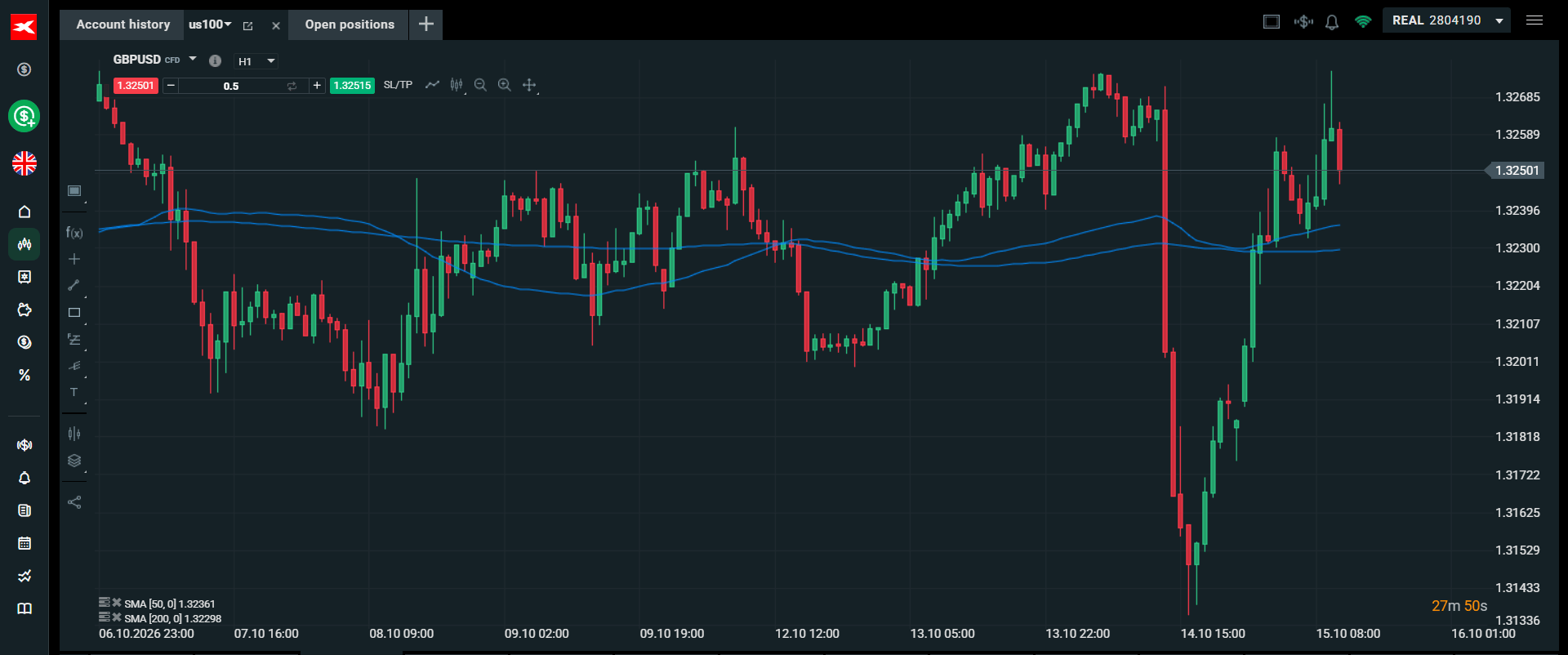
Chart 2: FTSE 100, resilient in the face of tech stock volatility and bullish technical outlook remains
Author

Kathleen Brooks
XTB UK
Kathleen has nearly 15 years’ experience working with some of the leading retail trading and investment companies in the City of London.
















