Bolivia ends Dollar peg, devalues currency
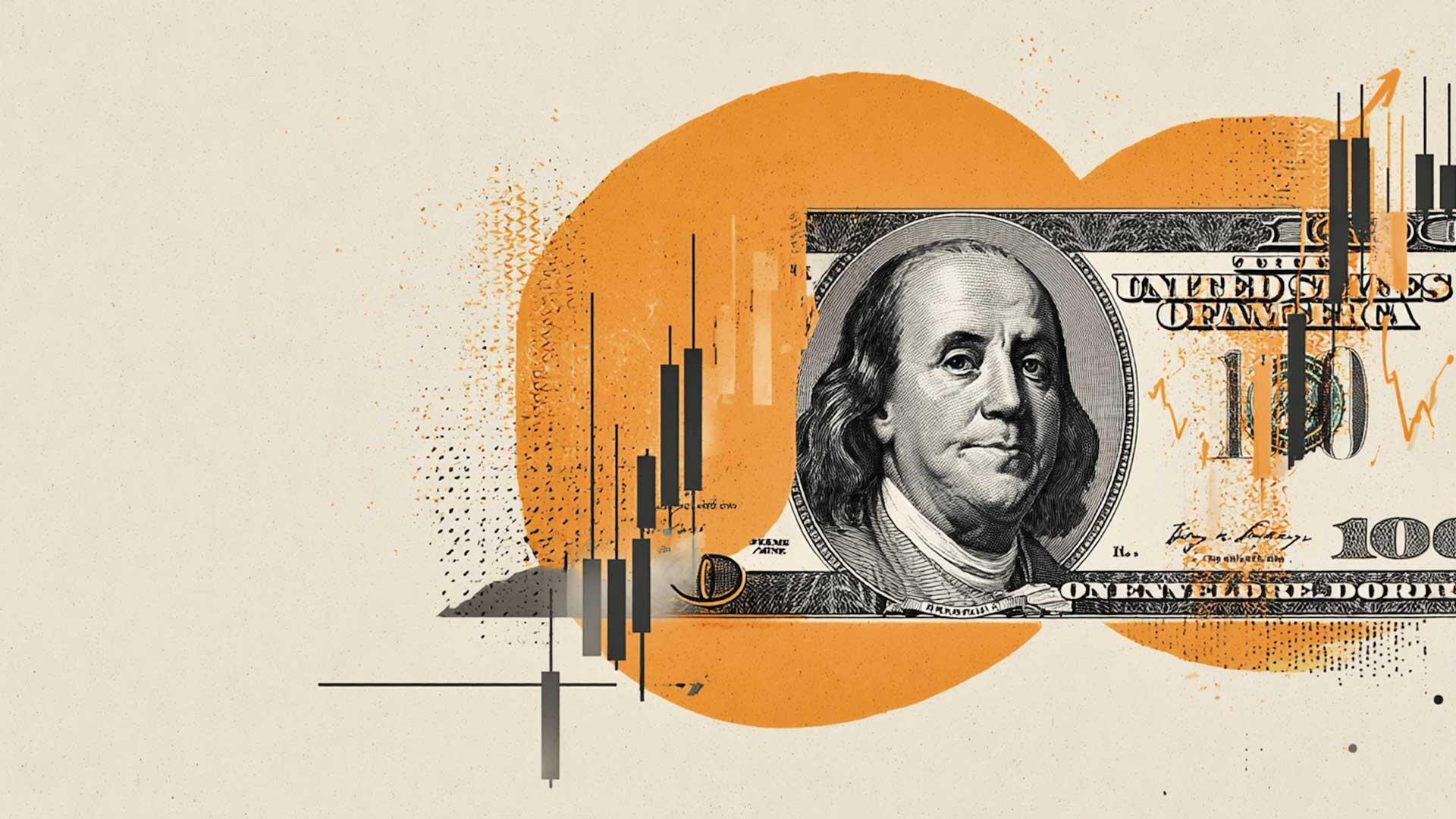
Imagine pegging your currency to another currency that is constantly being inflated.
That was the situation Bolivia found itself in with the bolivianos pegged to the dollar. But even with a rapidly depreciating peg, the Bolivian currency couldn’t keep up, so the Bolivian officials did what any good government people would do – they simply removed the peg.
On Friday, central bank officials said they would adopt a “flexible exchange-rate system.”
A statement by the Bolivian economy ministry said removing the peg would “strengthen macroeconomic stability, preserve external competitiveness and contribute to the balance of payments equilibrium."
In effect, the move instantly devalued the bolivianos by about 30 percent.
In 2011, the Bolivian government pegged the bolivianos at 6.86 per dollar for purchases and 6.96 for sales. However, in recent months, the peg was little more than a suggestion. Due to a dollar shortage and falling foreign reserves, the exchange rate was approaching 20 bolivianos per dollar out in the real world. The government had already abandoned the peg unofficially, using a reference rate of around 9.90 bolivianos to one dollar for commercial and financial transactions.
After doing away with the peg, the official exchange rate showed at 9.73 on the central bank website.
The International Monetary Fund recommended removing the dollar peg in last year’s annual report. Bolivia is seeking a $2.5 billion financing plan from the IMF. Bolivian officials say the loan is necessary “to rebuild reserves, stabilize public finances and facilitate the transition to the new exchange-rate regime.”
Labor unions oppose the move, arguing that strings attached to the financing package could lead to government austerity measures. That's a fancy way of saying "cut spending," which is the only real solution during a fiscal crisis.
A story as old as time
Currency depreciation is a story as old as time. Governments initially impose a peg or a gold standard, hoping it will impose restraint on the monetary system. It limits the government's ability to print money and ostensibly forces fiscal discipline. However, government people are rarely disciplined. They print money to the extent that they can within the limits of the peg until the economy becomes strained. Then, instead of imposing fiscal restraint, they remove the restraining policy so they can keep printing and spending.
When money was primarily in the form of gold and silver coins, this monetary debasement took the form of coin clipping. Governments removed small amounts of metal from each coin and then used it to make new coins. Each coin retained the same face value, but it got lighter over time.
Governments also lowered the purity of their coins, gradually adding other common metals to minimize gold and silver content.
When paper currency began to circulate, debasement became easier. The government could just arbitrarily revalue the currency’s relationship to gold (or whatever peg was in place). For instance, if an ounce of gold was valued at $30, the government could bump that up to $40 an ounce, enabling the government to issue more paper.
While this may sound like third-world, banana republic policy, the U.S. effectively did the same thing in the 1930s.
With the gold standard restraining President Franklin D. Roosevelt’s ability to print money in response to the Great Depression, he ordered a gold confiscation scheme to increase the country’s gold reserves, allowing for more money printing.
Under the order, private citizens, partnerships, associations, and corporations were required to turn in virtually all their gold. In return, the Federal Reserve Bank gave individuals an equivalent amount in “any other form of coin or currency coined or issued under the laws of the United States” at the rate of $20.67 per ounce.
Once the government got the gold at that price, it did what governments do – it changed the price-fixing to its advantage, raising the price to $35 and devaluing the paper money people received in exchange for their gold. In effect, this was a 40 percent devaluation of the dollar in gold terms. This allowed Roosevelt and Friends to massively expand the dollar supply without running afoul of the gold-backing requirements.
President Richard Nixon severed the final tie to the gold standard in 1971 when he ended the convertibility of dollars to gold.
In effect, these moves were no different than what Bolivia just did.
The sad reality is that governments will continue to debase your money because money creation is the lifeblood of big government. And governments will always look for ways to pull the wool over your eyes and make you forget that your purchasing power is declining by the day.
Don’t be fooled.
Hold real money – gold and silver. The government can't print it or inflate it away.
To receive free commentary and analysis on the gold and silver markets, click here to be added to the Money Metals news service.
Author

Mike Maharrey
Money Metals Exchange
Mike Maharrey is a journalist and market analyst for MoneyMetals.com with over a decade of experience in precious metals. He holds a BS in accounting from the University of Kentucky and a BA in journalism from the University of South Florida.

















