|

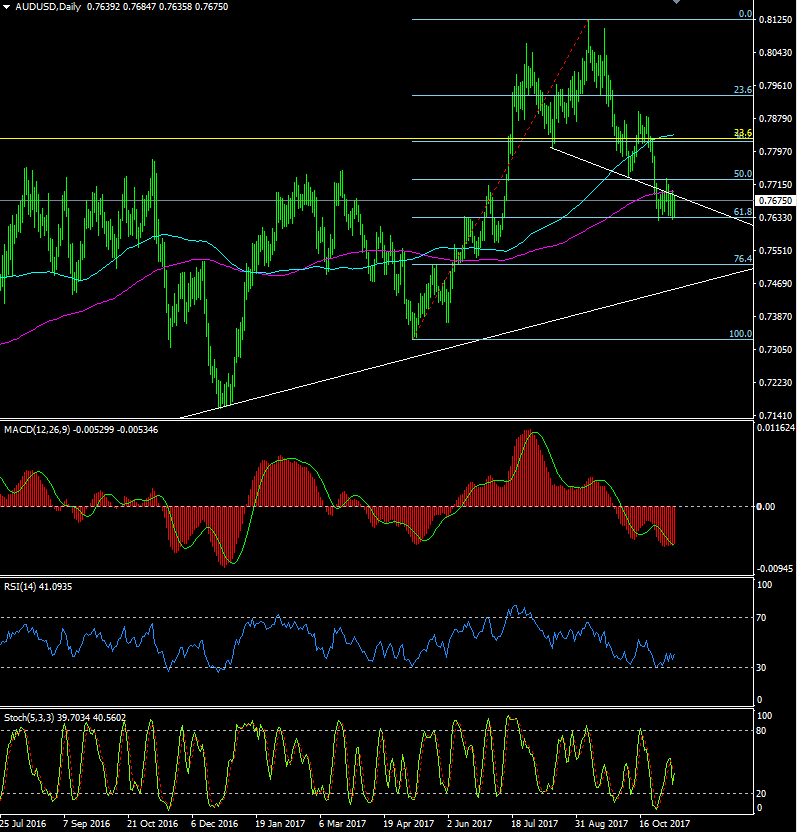
AUDUSD: The longer term charts still look heavy

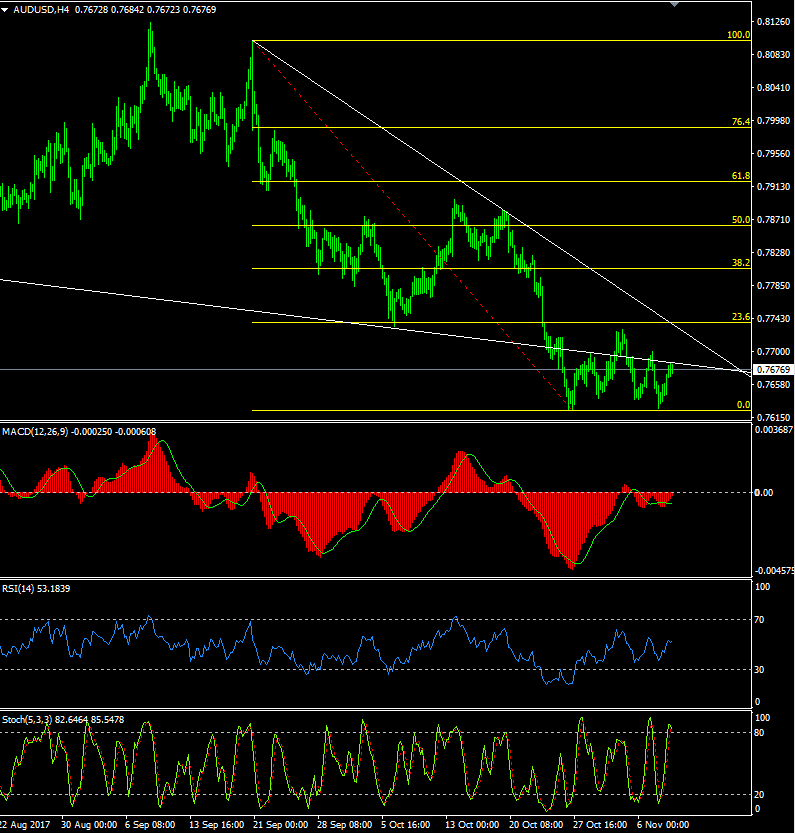
Preferred Strategy: The Aud has had a solid session, underpinned by higher base metal prices, although it remains well within its recent range below 0.7700 and would appear to have more of the same ahead of it unless the China CPI springs any major surprise.

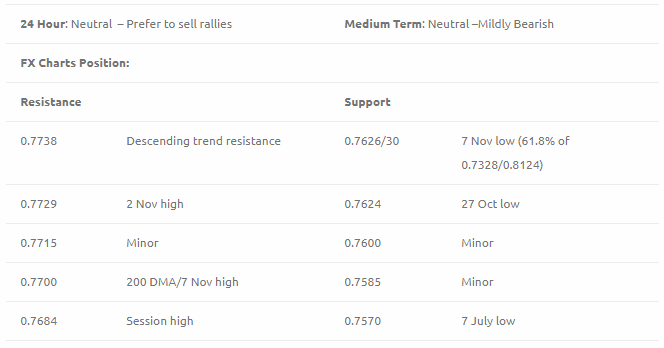
While the short term momentum indicators look mildly supportive for a possible squeeze up towards 0.7700+, the longer term charts still look heavy and a break of 0.7625 would bring fresh selling, which could then see a run towards 0.7600 and eventually to 0.7570. Direction today will come from the Home Loans and China CPI although there is little out apart from that and it may be another  day of consolidation within the 0.7625/7700 area.

Overall, with the longer term charts looking heavy, I suspect the Aud$ is building a bear flag and is biding its time ahead of a more sustained test of 0.7625/30, which could then take us to 0.7570 and eventually towards 0.7400, but patience will be required and we look likely to see better levels to sell it than we are currently trading at.

Note that the Kiwi is squeezing higher following the RBNZ Meeting and could drag the Aud$ with it.
Economic data highlights will include:

Investment Lending for Homes, Home Loans, China CPI, PPI
Author

Jim Langlands

Jim Langlands

FX Charts

Jim Langlands began his trading career in the commodities markets in London in 1976, before moving to Australia in 1979 to work as a floor trader on the Sydney Futures Exchange.


More from Jim Langlands
Share:

Editor's Picks

AUD/USD bulls regain control above 0.6950 amid USD retreat

AUD/USD regains traction and extends the previous day's bounce from the weekly low, aiming for 0.7000 in Asia on Friday. The overnight pullback in US bond yields keeps the US Dollar below an 18-month high, which in turn offers some support to the pair. Meanwhile, hawkish RBA expectations also keep the major underpinned.

USD/JPY holds gains near 158.00 after Japan's weak Household Spending data

USD/JPY clings to gains around 158.00 after data showed on Friday that Japan's Household Spending fell for the ninth straight month, undermining the Japanese Yen. Meanwhile, the US Dollar remains depressed as the overnight fall in US bond yields counters a hawkish Fed and geopolitical uncertainties, could cap any downside in the pair.

Gold remains range-bound below $4,200

Gold has given up some ground after an initial bullish attempt to reach weekly highs, returning to below the $4,200 mark per troy ounce on Friday. The US Dollar’s strong upside momentum, combined with rising US Treasury yields across the curve, seems to keep further gains in the yellow metal under scrutiny.

Has Bitcoin really escaped the macro forces it was built to fight?
Over 17 years ago, Satoshi Nakamoto designed Bitcoin (BTC) on the back of a global financial crisis as an alternative to the global monetary system outside the control of central banks, governments and traditional intermediaries. This raises a key question: has Bitcoin really become independent of the macroeconomic forces it was built to challenge?
The Euro is not the sick man of Europe. France's bond market is
EUR/USD remains under pressure, near the 17-month low of 1.1161 reached on Monday. The pair has lost more than 7% since its yearly peak, as concerns over France's public finances increasingly weigh on the single currency. But behind the weakness of the Euro (EUR), the problem does not necessarily lie with the European economy as a whole.
Has Bitcoin really escaped the macro forces it was built to fight?
Over 17 years ago, Satoshi Nakamoto designed Bitcoin (BTC) on the back of a global financial crisis as an alternative to the global monetary system outside the control of central banks, governments and traditional intermediaries. This raises a key question: has Bitcoin really become independent of the macroeconomic forces it was built to challenge?