Asia wrap: Shutdown theater as markets enter the information void
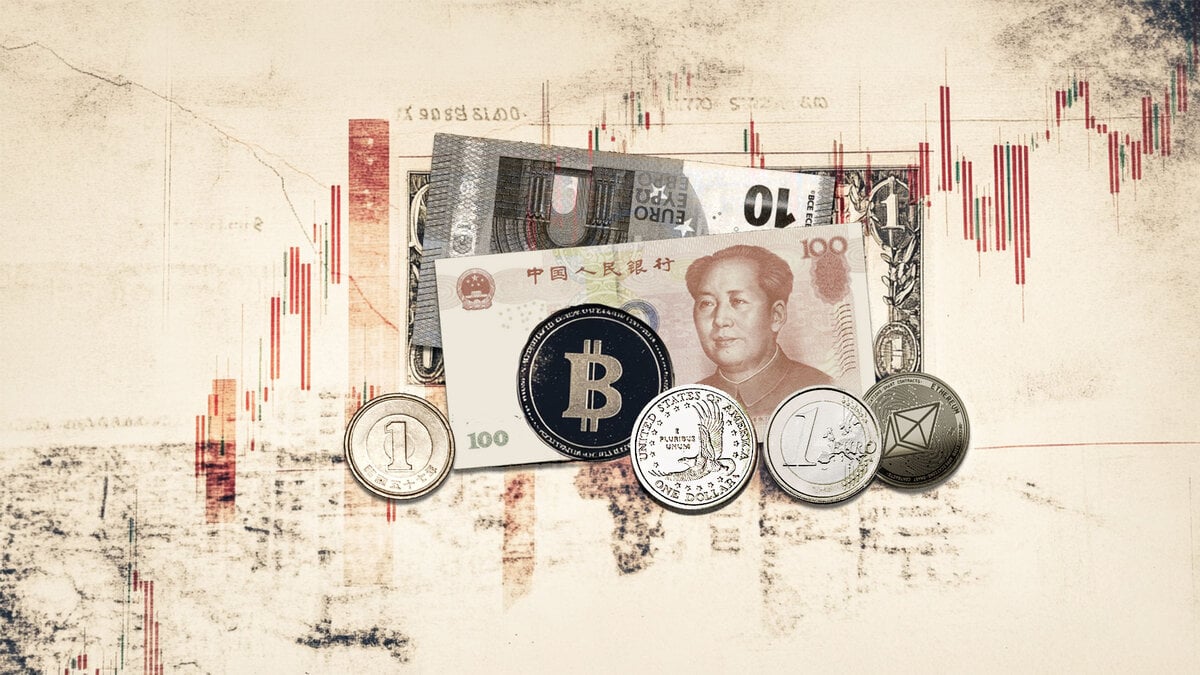

The curtain has fallen on Washington, and the stage lights dimmed not because of policy triumph but because the actors refused to play their parts. The United States government has entered shutdown mode—Congressional deadlock snapping the machinery of the world’s largest employer. This is not a clean break, more a jammed gear in an already overstretched engine, but traders know the damage isn’t only about furloughed clerks. It’s about the missing data.
Markets thrive on a constant stream of numbers—jobs, inflation, spending—all the breadcrumbs that let us chart the Fed’s theoretical path. With the government closed, the data tap runs dry. We’ve entered an information vacuum where the only certainty is uncertainty. Investors who trade on probabilities now find themselves in a fog, maps taken away just as the caravan was beginning to move. That’s why U.S. futures are wobbling, Nasdaq and S&P contracts shading lower, and why gold, the old barometer of fear and uncertainty, spiked to a record $3,875.
The dollar has wilted again, fourth day running, and the yen is doing what the yen always does in these dramas—playing the safe-haven script it memorized years ago. What’s different now is that the playbook isn’t even human discretion anymore. FX algos are explicitly coded with the historical template: every shutdown since the 1990s shows a tendency for the dollar to slip and havens to rise. So when the government shutters, the machines don’t debate—they execute. Sell USD, buy JPY, rotate into gold and Treasuries. It’s not about fundamentals collapsing in the moment; it’s the backtest dictating the flow. The tendency itself becomes the trade. The euro joins the move, but reluctantly, like a background vocalist to the yen’s lead.
Asian equities were left half-awake, neither breaking nor rallying, just drifting in the absence of cues, with China and Hong Kong on holiday silence. Treasuries didn’t add much to the story, 10-year yields flat at 4.15%, as if waiting for the next scene change. Europe will likely open with the same faintly sour tone, not a panic, just a sag in confidence.
But the real theater is political. President Trump has sharpened the rhetoric, threatening that furloughs could become permanent pink slips. That transforms a stopgap spat over funding into a heavier weight for the labor market, an arena where perception quickly becomes reality. The Congressional Budget Office pegs the daily cost of lost compensation at $400 million—a slow bleed that may not topple the economy in a week, but one that adds up if the standoff drags on.
For traders, though, the greater risk is timing. Nonfarm payrolls, the single most-watched monthly report in global markets, may not print this Friday. Inflation data could also be delayed. Remove these guideposts and the Fed’s December decision turns into a coin toss without odds. Bad news at high equity valuations is dangerous, because in airless rooms even a whisper can echo into a crash. A minor data disappointment—if it even gets released—could snowball into a sharper correction.
This round, the consensus expects the curtain to lift within a couple of weeks. But even a short run leaves footprints: jobless claims flaring higher if furloughed workers are counted as unemployed, confidence bruised, corporate capex decisions paused. And if the shutdown drags? Then what began as temporary theater could be mistaken for a structural fault line.
For now, we are trading in the shadows. The S&P just logged its best September in fifteen years on AI optimism and easing rate expectations, but that optimism collides head-on with an information blackout. The caravan presses on without a compass, the dollar stumbles in the dark, and the yen guides like an old lantern. Traders must accept that this is not a market of headlines anymore—it’s a market of missing lines. The silence itself becomes the story, and the silence is loud.
Author
Stephen Innes
SPI Asset Management
With more than 25 years of experience, Stephen has a deep-seated knowledge of G10 and Asian currency markets as well as precious metal and oil markets.
















