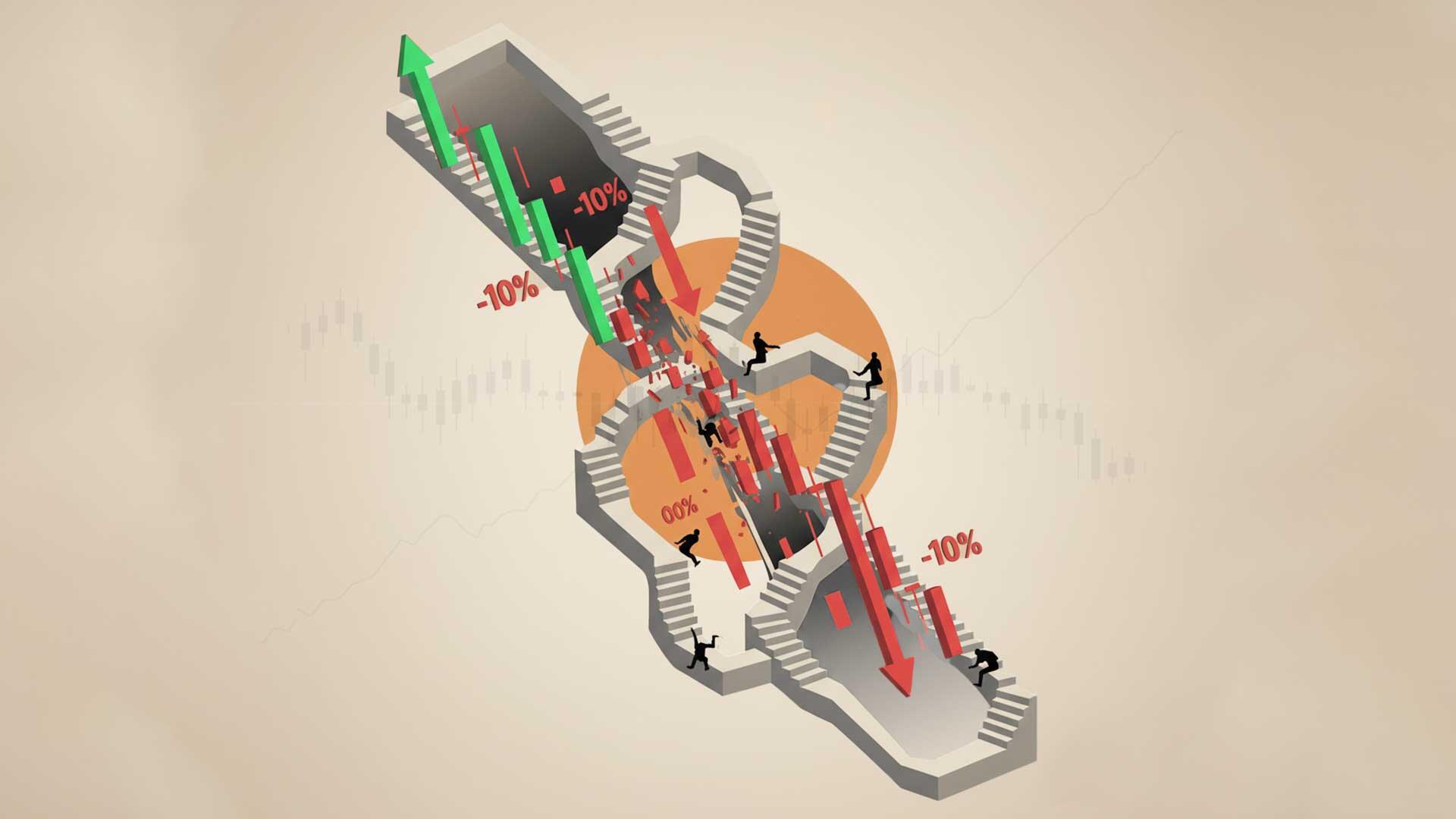
A tree has to grow into two directions

A friend recently shared a thoughtful observation with me: “a tree has to grow into two directions at the same time!”
It is growing down and it is growing up!
It is very interesting that the part of the tree under the ground is similar to the part of the tree that above the ground.
The root system is quite similar to the fruit system!
The tree starts to grow down before it starts to grow up!
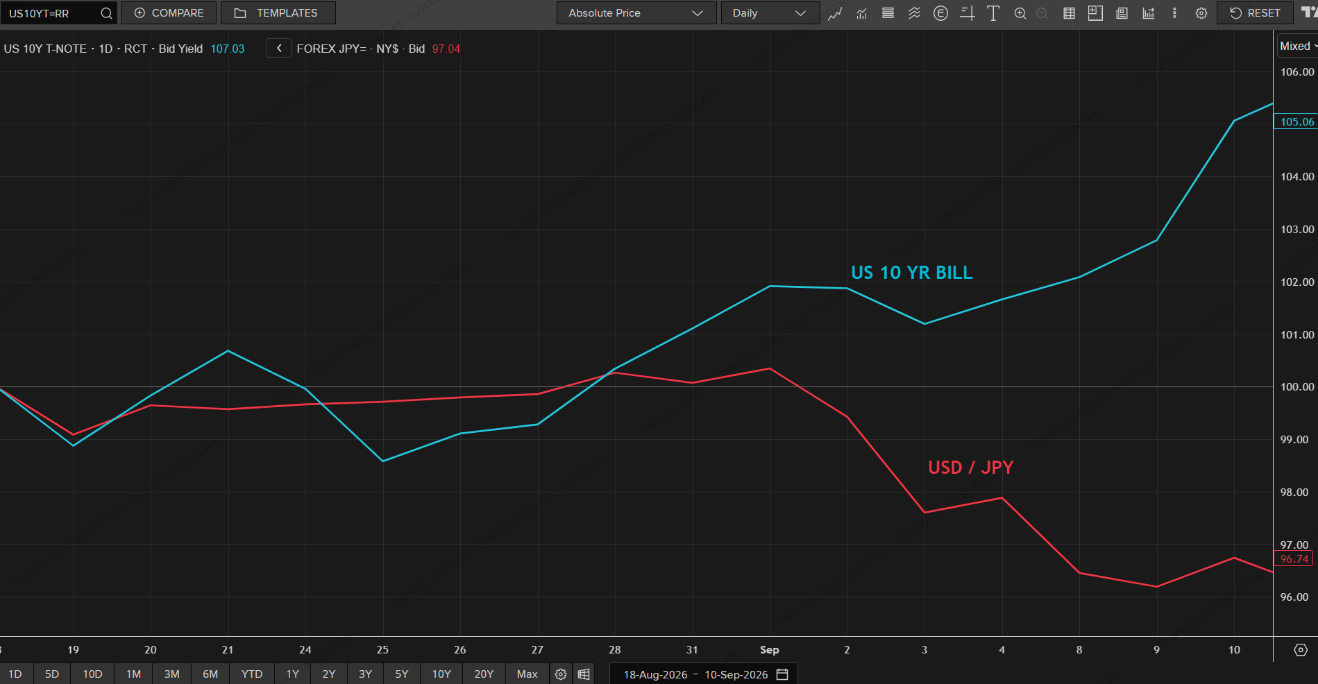
That case reminded me of the current setup of JPY and US treasury yield position!
JPY acting as the root system while US treasury act as the fruit system.
For decades, the Bank of Japan’s ultra-accommodative monetary regime established the Yen as the world's primary low-cost funding currency.
Institutional investors capitalized on this via the classic JPY Carry Trade:
Capital borrowing: Entities borrow JPY at ultra-low interest rates.
FX conversion: Borrowed Yen is sold in the spot market to buy USD, exerting persistent downward pressure on the Yen.
Asset deployment: USD proceeds are allocated into higher-yielding US Treasury securities to harvest a dual return stream:
The yield differential: The positive spread between US Treasuries and Japanese Government Bonds (JGBs).
FX appreciation: Unhedged capital gains derived from a steadily rising USD/JPY exchange rate.
This persistent capital export mechanism served as an anchor for global fixed income, artificially suppressing US Treasury yields by funneling a continuous stream of foreign capital into US government debt markets.
When USD/JPY turns lower (signifying Yen strengthening), the fundamental economic incentives driving the carry trade invert. A declining exchange rate triggers upward pressure on US Treasury yields.
As USD/JPY drops, spot currency losses accrue rapidly, swiftly outstripping the thin annualized yield margin gained from holding the bond. To mitigate escalating losses, leveraged macro funds and asset managers are forced to unwinds positions simultaneously: selling US Treasuries for dollars, then buying back JPY to pay down liabilities.
The secondary market must absorb this flood of US Treasury supply, depressing bond prices and driving US yields sharply higher.
The tree starts to grow down before it starts to grow up!
Author

Hany Saleeb
Independent Analyst
Hany Saleeb is a highly experienced Senior Treasurer. With over a decade of experience in treasury, served as Head of Treasury at BM in France and head of research in Sinai Securities.