WTI trades around $72.50 after rebounding from three-month lows
- WTI recovers from a three-month low of $71.94 reached on Wednesday.
- Oil prices fell as advancing US-Iran peace talks led more commercial tankers to resume transit through the Strait of Hormuz.
- UAE oil exports rebounded to nearly 85% of pre-conflict levels using pipelines, storage, and alternative routes.

West Texas Intermediate (WTI) oil price continues its losing streak for the third successive day, trading around $72.50 per barrel during the Asian hours on Wednesday. WTI oil price recovers after hitting a three-month low of $71.94, but stays in negative territory.
Crude oil prices declined as a growing number of commercial tankers resumed passage through the Strait of Hormuz, driven by breakthroughs in US-Iran peace negotiations. The International Maritime Organization (IMO) announced it has received crucial security guarantees, a move expected to allow hundreds of trapped vessels to exit the Persian Gulf and facilitate the evacuation of thousands of stranded seafarers.
Simultaneously, the International Energy Agency (IEA) reported a sharp recovery in UAE oil exports for early June, which rebounded to nearly 85% of pre-conflict levels by leveraging pipelines, storage hubs, and alternative shipping corridors.
Global oil supply expectations received an additional boost from a new 60-day US waiver permitting international buyers and American refiners to legally purchase Iranian crude and refined products. Meanwhile, Iran and Oman have initiated talks on a collaborative management framework for the Strait of Hormuz. While intended to organize transit, the inclusion of potential fee structures in these discussions has sparked market anxieties that Tehran might impose new passage charges on shipping lines.
Despite this diplomatic momentum, the long-term durability of the peace accord remains highly uncertain. Iran’s chief negotiator issued a stark warning that the strategic waterway will remain firmly under Iranian oversight and will never return to its pre-war status. Parallel diplomatic tracks are moving forward elsewhere, however, as Washington hosts a fresh round of negotiations between Israel and Lebanon aimed at brokering a ceasefire with Iran-backed Hezbollah forces.
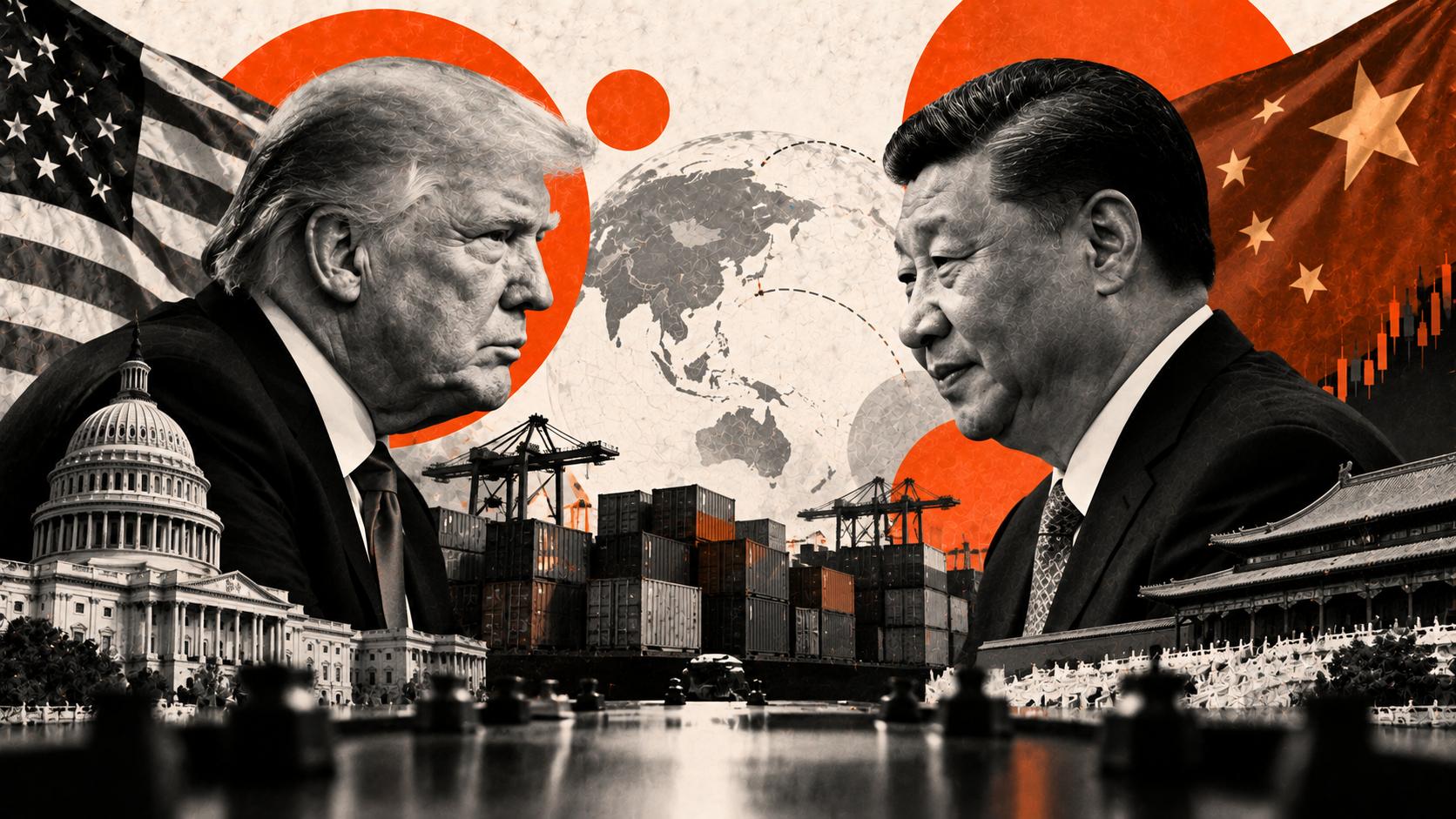
The overall geopolitical outlook is further complicated by conflicting statements regarding Iran's nuclear compliance. US President Donald Trump announced that Tehran had "fully and completely" agreed to reopen its facilities to international nuclear inspectors. This optimism was quickly muted by Iranian Foreign Minister Abbas Araghchi, who clarified that substantive negotiations over the nuclear program have not actually commenced.
WTI Oil FAQs
WTI Oil is a type of Crude Oil sold on international markets. The WTI stands for West Texas Intermediate, one of three major types including Brent and Dubai Crude. WTI is also referred to as “light” and “sweet” because of its relatively low gravity and sulfur content respectively. It is considered a high quality Oil that is easily refined. It is sourced in the United States and distributed via the Cushing hub, which is considered “The Pipeline Crossroads of the World”. It is a benchmark for the Oil market and WTI price is frequently quoted in the media.
Like all assets, supply and demand are the key drivers of WTI Oil price. As such, global growth can be a driver of increased demand and vice versa for weak global growth. Political instability, wars, and sanctions can disrupt supply and impact prices. The decisions of OPEC, a group of major Oil-producing countries, is another key driver of price. The value of the US Dollar influences the price of WTI Crude Oil, since Oil is predominantly traded in US Dollars, thus a weaker US Dollar can make Oil more affordable and vice versa.
The weekly Oil inventory reports published by the American Petroleum Institute (API) and the Energy Information Agency (EIA) impact the price of WTI Oil. Changes in inventories reflect fluctuating supply and demand. If the data shows a drop in inventories it can indicate increased demand, pushing up Oil price. Higher inventories can reflect increased supply, pushing down prices. API’s report is published every Tuesday and EIA’s the day after. Their results are usually similar, falling within 1% of each other 75% of the time. The EIA data is considered more reliable, since it is a government agency.
OPEC (Organization of the Petroleum Exporting Countries) is a group of 12 Oil-producing nations who collectively decide production quotas for member countries at twice-yearly meetings. Their decisions often impact WTI Oil prices. When OPEC decides to lower quotas, it can tighten supply, pushing up Oil prices. When OPEC increases production, it has the opposite effect. OPEC+ refers to an expanded group that includes ten extra non-OPEC members, the most notable of which is Russia.
Author

Akhtar Faruqui
FXStreet
Akhtar Faruqui is a Forex Analyst based in New Delhi, India. With a keen eye for market trends and a passion for dissecting complex financial dynamics, he is dedicated to delivering accurate and insightful Forex news and analysis.