WTI Oil hovers at two-week lows near $89.00 awaiting Middle East developments
- WTI Oil flatlines around $89.00, about 13% below last week's highs.
- The increases in Oil exports from Saudi Arabia and Iraq have eased concerns about supply disruptions.
- News reports of negotiations between the US and Iran are boosting hopes of a peace deal.
Oil prices maintain their negative trend on Wednesday, with the price of the US benchmark West Texas Intermediate (WTI) barrel flatlining at the $89.00 area, its lowest level in nearly three weeks and 13% below last week’s highs. News that Saudi Arabia is fixing its East-West pipeline and hopes of a new round of US-Iran peace talks are keeping WTI prices under pressure.
Markets have welcomed reports that Saudi Arabia has restarted operations in a critical pipeline that transports about 4 million barrels of crude per day to the Red Sea port of Yanbu, to avoid the blockade of the Strait of Hormuz.
Beyond that, Iraq’s Oil minister, Basim Mohammed, affirmed on Tuesday that the country has boosted its Oil exports to 3 million barrels per day (bpd) and that he expects to increase exports via Turkey to more than 600K bpd.
Hopes of a US-Iran peace deal remain alive
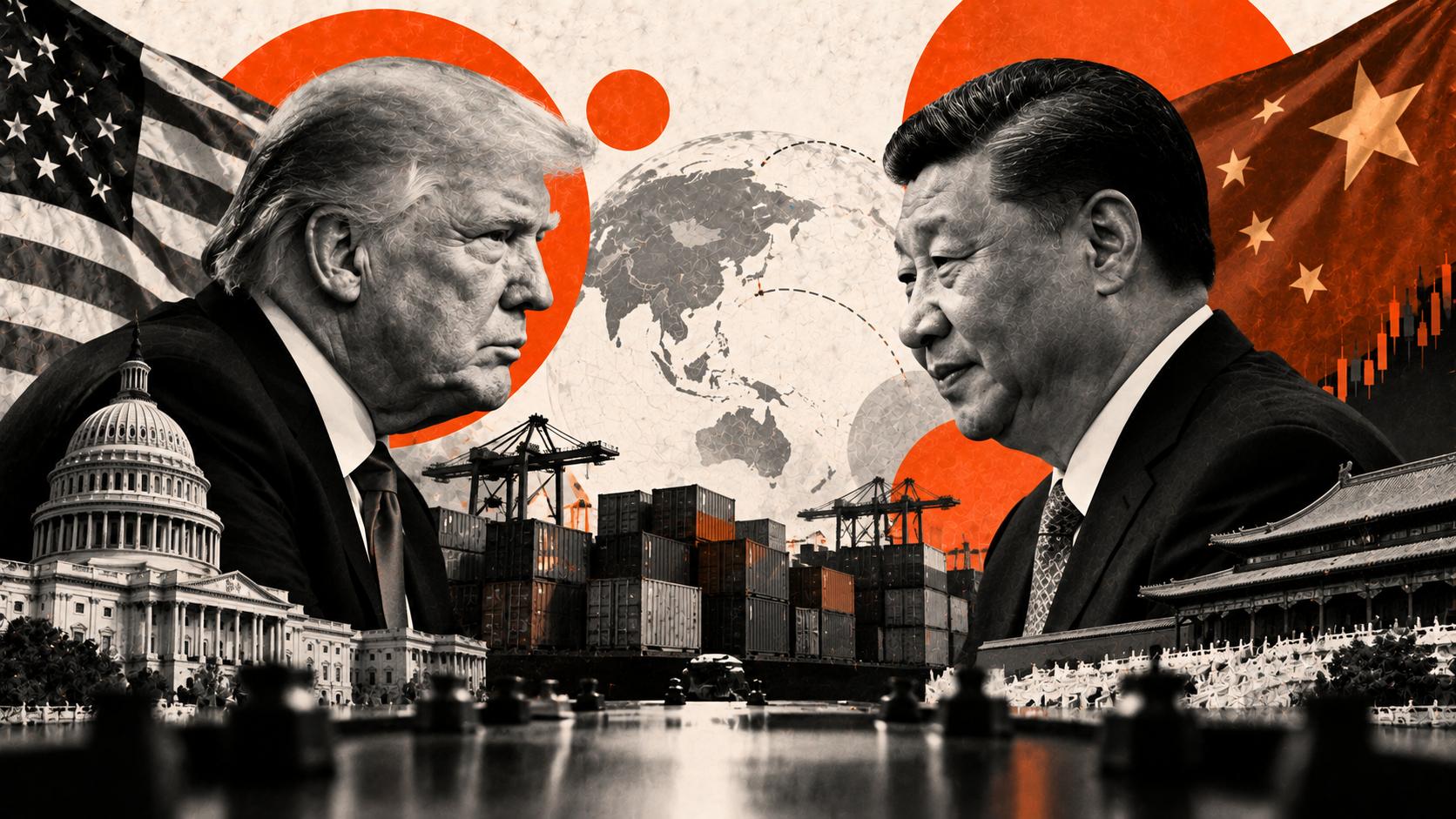
The highlight this week is the United Nations (UN) General Assembly held in New York. US President Donald Trump suggested that he is open to meet its Iranian counterpart, Masoud Pezeshkian at the event, which boosted hopes that the rival countries might engage in a new attempt to negotiate the end of the conflict.
Tehran offered a deal to reopen the Strait of Hormuz in seven days if the US lifted its blockade on Iranian ports, which has not been answered by the US. The US Special Envoy, Steve Wickoff, however, has confirmed that there are negotiations going on the sidelines of the UN summit, although no relevant progress has been reported so far.
Trump on the other hand, soured sentiment somewhat on Tuesday, threatening to "annihilate" Iran if a deal is not reached, although, in his usual style, he also said that US negotiators had ”a very good meeting, a very productive meeting” with Iranian officials, and that there was “a lot of momentum” towards an agreement.
WTI Oil FAQs
WTI Oil is a type of Crude Oil sold on international markets. The WTI stands for West Texas Intermediate, one of three major types including Brent and Dubai Crude. WTI is also referred to as “light” and “sweet” because of its relatively low gravity and sulfur content respectively. It is considered a high quality Oil that is easily refined. It is sourced in the United States and distributed via the Cushing hub, which is considered “The Pipeline Crossroads of the World”. It is a benchmark for the Oil market and WTI price is frequently quoted in the media.
Like all assets, supply and demand are the key drivers of WTI Oil price. As such, global growth can be a driver of increased demand and vice versa for weak global growth. Political instability, wars, and sanctions can disrupt supply and impact prices. The decisions of OPEC, a group of major Oil-producing countries, is another key driver of price. The value of the US Dollar influences the price of WTI Crude Oil, since Oil is predominantly traded in US Dollars, thus a weaker US Dollar can make Oil more affordable and vice versa.
The weekly Oil inventory reports published by the American Petroleum Institute (API) and the Energy Information Agency (EIA) impact the price of WTI Oil. Changes in inventories reflect fluctuating supply and demand. If the data shows a drop in inventories it can indicate increased demand, pushing up Oil price. Higher inventories can reflect increased supply, pushing down prices. API’s report is published every Tuesday and EIA’s the day after. Their results are usually similar, falling within 1% of each other 75% of the time. The EIA data is considered more reliable, since it is a government agency.
OPEC (Organization of the Petroleum Exporting Countries) is a group of 12 Oil-producing nations who collectively decide production quotas for member countries at twice-yearly meetings. Their decisions often impact WTI Oil prices. When OPEC decides to lower quotas, it can tighten supply, pushing up Oil prices. When OPEC increases production, it has the opposite effect. OPEC+ refers to an expanded group that includes ten extra non-OPEC members, the most notable of which is Russia.
Author

Guillermo Alcala
FXStreet
Graduated in Communication Sciences at the Universidad del Pais Vasco and Universiteit van Amsterdam, Guillermo has been working as financial news editor and copywriter in diverse Forex-related firms, like FXStreet and Kantox.