USD/TRY maintains position near 39.00 amid escalating political risks in Turkey
- USD/TRY pulled back from its record high of 41.70, reached during early European trading on Wednesday.
- Political risks in Turkey intensified as Istanbul Mayor Ekrem Imamoglu was detained this morning.
- President Trump dismissed two Democratic Federal Trade Commission (FTC) commissioners.

USD/TRY retreats from its record high of 41.70, reached during early European trading hours on Wednesday, hovering around 38.70 at the time of writing. The pair surged as the Turkish Lira weakened sharply amid escalating political risks in Turkey.
State broadcaster TRT, citing the Istanbul Prosecutor’s Office, reported that Istanbul Mayor Ekrem Imamoglu, President Recep Tayyip Erdogan’s main political rival, was detained this morning as part of corruption and terror investigations.
Additionally, the state-run Anadolu Agency stated that detention orders were issued for approximately 100 others linked to Imamoglu, including his press adviser Murat Ongun, who was expected to be the Republican People’s Party (CHP) presidential candidate. This move is widely seen as Erdogan consolidating his power by sidelining potential challengers, causing turbulence in Turkish financial markets.
Meanwhile, the USD/TRY pair also gains support from a strengthening US Dollar (USD), backed by stable Treasury yields as investors await the Federal Reserve’s (Fed) interest rate decision later in the day. The Fed is expected to keep rates steady amid persistent inflation concerns and economic uncertainty. Traders are watching the Fed’s updated economic projections for clues on future US interest rate policy. Any hawkish signals could further bolster the USD against its peers.
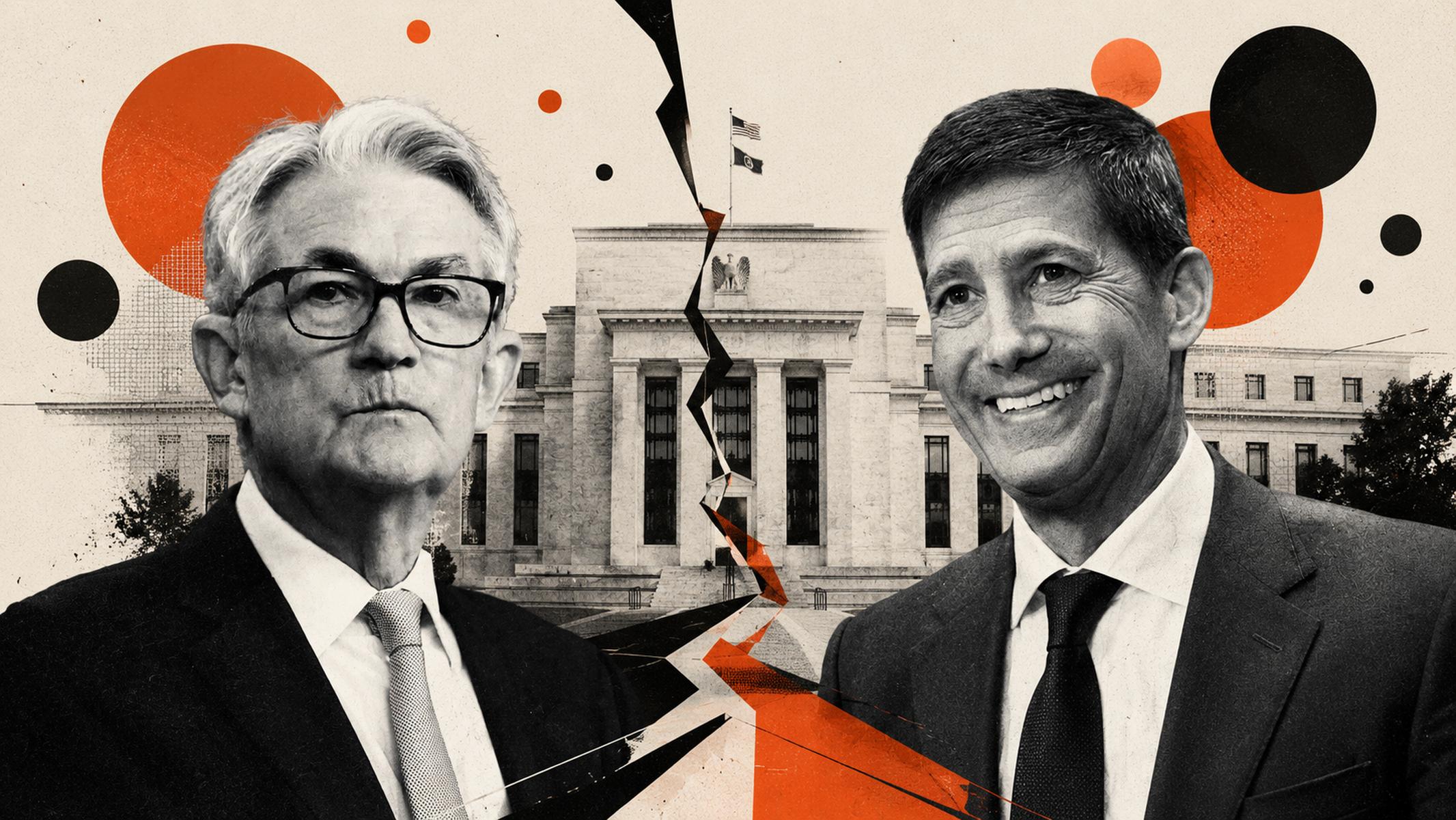
Additionally, the Wall Street Journal reports that US President Donald Trump has dismissed two Democratic Federal Trade Commission (FTC) commissioners. However, questions remain over his authority to do so, sparking speculation about whether this move sets a precedent for potential dismissals of Federal Reserve (Fed) Chair Jerome Powell and other Federal Reserve members.
Risk sentiment FAQs
In the world of financial jargon the two widely used terms “risk-on” and “risk off'' refer to the level of risk that investors are willing to stomach during the period referenced. In a “risk-on” market, investors are optimistic about the future and more willing to buy risky assets. In a “risk-off” market investors start to ‘play it safe’ because they are worried about the future, and therefore buy less risky assets that are more certain of bringing a return, even if it is relatively modest.
Typically, during periods of “risk-on”, stock markets will rise, most commodities – except Gold – will also gain in value, since they benefit from a positive growth outlook. The currencies of nations that are heavy commodity exporters strengthen because of increased demand, and Cryptocurrencies rise. In a “risk-off” market, Bonds go up – especially major government Bonds – Gold shines, and safe-haven currencies such as the Japanese Yen, Swiss Franc and US Dollar all benefit.
The Australian Dollar (AUD), the Canadian Dollar (CAD), the New Zealand Dollar (NZD) and minor FX like the Ruble (RUB) and the South African Rand (ZAR), all tend to rise in markets that are “risk-on”. This is because the economies of these currencies are heavily reliant on commodity exports for growth, and commodities tend to rise in price during risk-on periods. This is because investors foresee greater demand for raw materials in the future due to heightened economic activity.
The major currencies that tend to rise during periods of “risk-off” are the US Dollar (USD), the Japanese Yen (JPY) and the Swiss Franc (CHF). The US Dollar, because it is the world’s reserve currency, and because in times of crisis investors buy US government debt, which is seen as safe because the largest economy in the world is unlikely to default. The Yen, from increased demand for Japanese government bonds, because a high proportion are held by domestic investors who are unlikely to dump them – even in a crisis. The Swiss Franc, because strict Swiss banking laws offer investors enhanced capital protection.
BRANDED CONTENT
Finding a broker with low spreads can make a big difference in your trading success. Discover our top picks for low-spread brokers, each offering unique benefits to fit your strategy.
Author

Akhtar Faruqui
FXStreet
Akhtar Faruqui is a Forex Analyst based in New Delhi, India. With a keen eye for market trends and a passion for dissecting complex financial dynamics, he is dedicated to delivering accurate and insightful Forex news and analysis.