|

USD: Tactical strength, structural decline – TD Securities
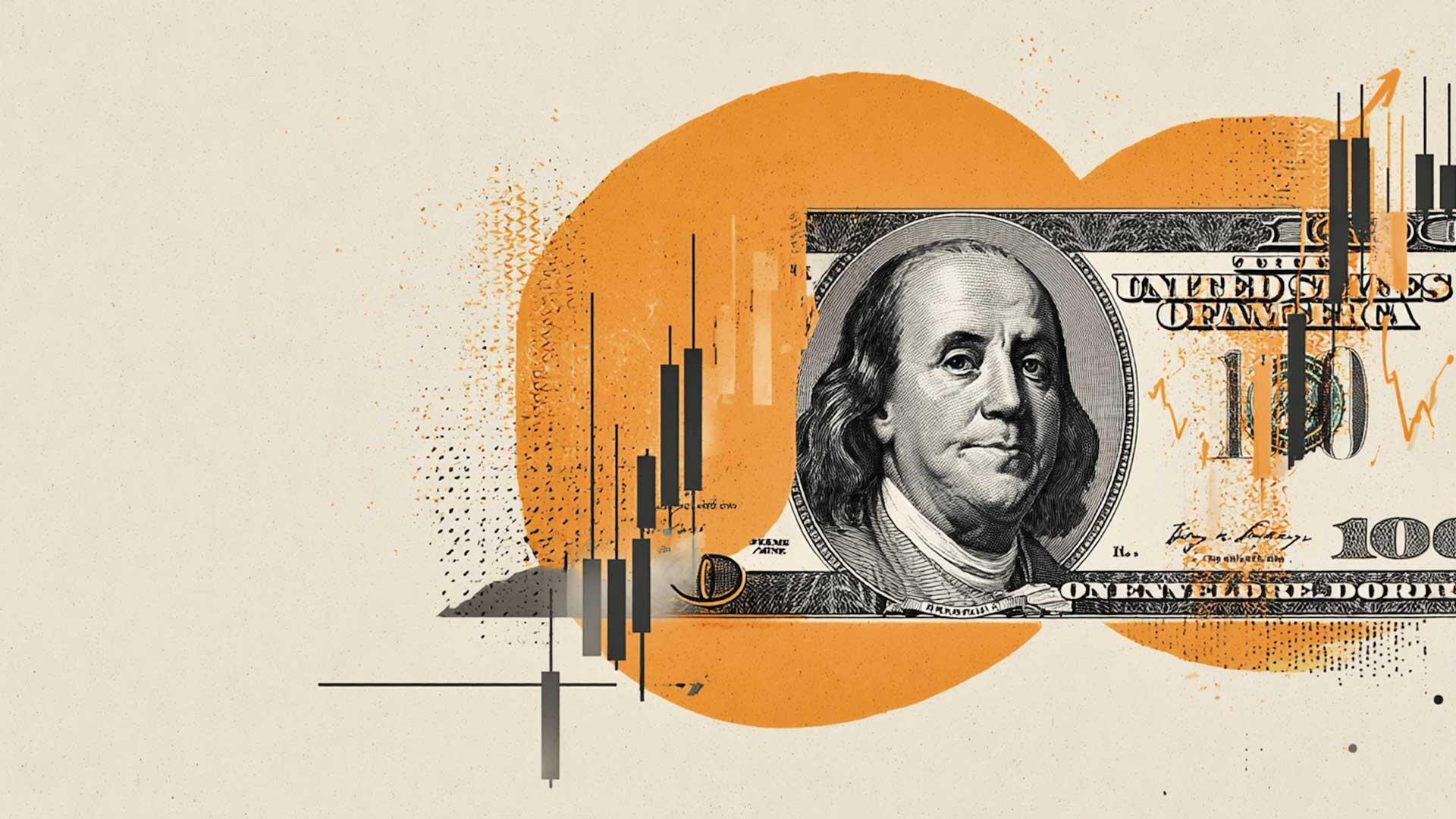
TD Securities’ FX team, led by Jayati Bharadwaj, sees the US Dollar tactically supported as a safe haven on Iran-related geopolitical risks and strong US data, with USD expected to stay bid versus EUR, AUD and crowded G10 shorts. However, they maintain a structural bearish Dollar view into 2026, projecting BBDXY to grind lower and favouring selling USD rallies.

Safe haven bid versus 2026 downtrend

"Tactically, as we enter next week, market attention can go back to geopolitics and US data as the aftershocks of the IEEPA ruling take time to be figured out. The USD is behaving like a safe haven again with uncertainty in Iran and the risk of targeted strikes building up. We expect USD to remain bid vs EUR, AUD and parts of G10 where positioning is crowded."

"Looking at our high-frequency fair value model (HFFV), and proprietary positioning index, we find that market sentiment is bearish the USD. You could see a technical bounce in the USD if geopolitical tensions start to heat up, or Q1 US data seasonality strength pushes back some expectations of Fed cuts further. This can offer better levels to sell the USD for more structural reasons."

"Structurally, our bias remains to sell into USD rallies at a time when positioning does not look stretched in the short USD trade especially vs G10 pairs. In EM we like selective carry plays in BRL, ZAR and see value in CLP, KRW, TWD and CNY."

"We continue to forecast a structural decline in the USD in 2026, driven by US convergence to global growth and rates and waning safe-haven appeal. The list of risk events in the US is long which will keep investors hesitant about owning the USD exposure of their US equity holdings."

(This article was created with the help of an Artificial Intelligence tool and reviewed by an editor.)

Author

FXStreet Insights Team

The FXStreet Insights Team is a group of journalists that handpicks selected market observations published by renowned experts. The content includes notes by commercial as well as additional insights by internal and external analysts.


More from FXStreet Insights Team
Share:

Editor's Picks

GBP/USD remains slightly bid near 1.3300

GBP/USD now advances marginally and manages to dispute the 1.3300 region on Tuesday. Indeed, Cable regains some balance on the back of the lacklustre performance of the Greenback, all preceding the Fed’s meeting on Wednesday and the BoE’s gathering on Thursday.

EUR/USD clings to gains around 1.1400

EUR/USD bounces off earlier multi-week lows and remains close to the 1.1400 region on Tuesday. The pair’s decent advance follows hopes of a more sustainable deal between the US and Iran, which in turn keeps the downside pressure on the US Dollar ahead of the key Fed meeting on Wednesday.

Gold meets contention near $4,000

Gold remains under marked downside pressure on Tuesday, although the $4,000 zone per troy ounce emerges as a decent support for now. The precious metal’s pullback comes despite the modest losses in the US Dollar in a context of easing geopolitical tensions ahead of the key Fed event on Wednesday.

Bitcoin slips below $64,000 as risk-off sentiment grips markets
Bitcoin (BTC) is extending its correction, trading below $64,000 at the time of writing on Tuesday after losses of over 2.5% the previous day. Institutional demand shows early signs of weakness, with spot Exchange Traded Funds (ETFs) recording a mild outflow on Monday, marking three consecutive days of withdrawals.
Indian Rupee outlook: Downtrend set to persist – Just at a slower pace
The Indian Rupee just endured its most brutal six-month stretch in years, battered by a perfect storm of global shocks. From United States (US)-India trade uncertainty to surging Oil prices and the significant outflow of Foreign Institutional Investment (FII) from the Indian stock market, every event brought nothing but pain for the Indian currency.
US Dollar mid-year outlook: Exceptional currency, exceptional risks?
The US Dollar enters the second half of 2026 in a markedly different position from a year ago. The King currency has recovered, reflecting persistent US inflation, changing expectations for Fed policy, geopolitical tensions and renewed demand for defensive assets.












