USD/INR strengthens on upbeat US Retail Sales, weak Indian domestic markets
- Indian Rupee loses momentum in Friday’s early Asian session.
- The elevated geopolitical risks and weak Indian domestic markets undermine the INR.
- The preliminary US August Michigan Consumer Sentiment Index will be the highlight on Friday.
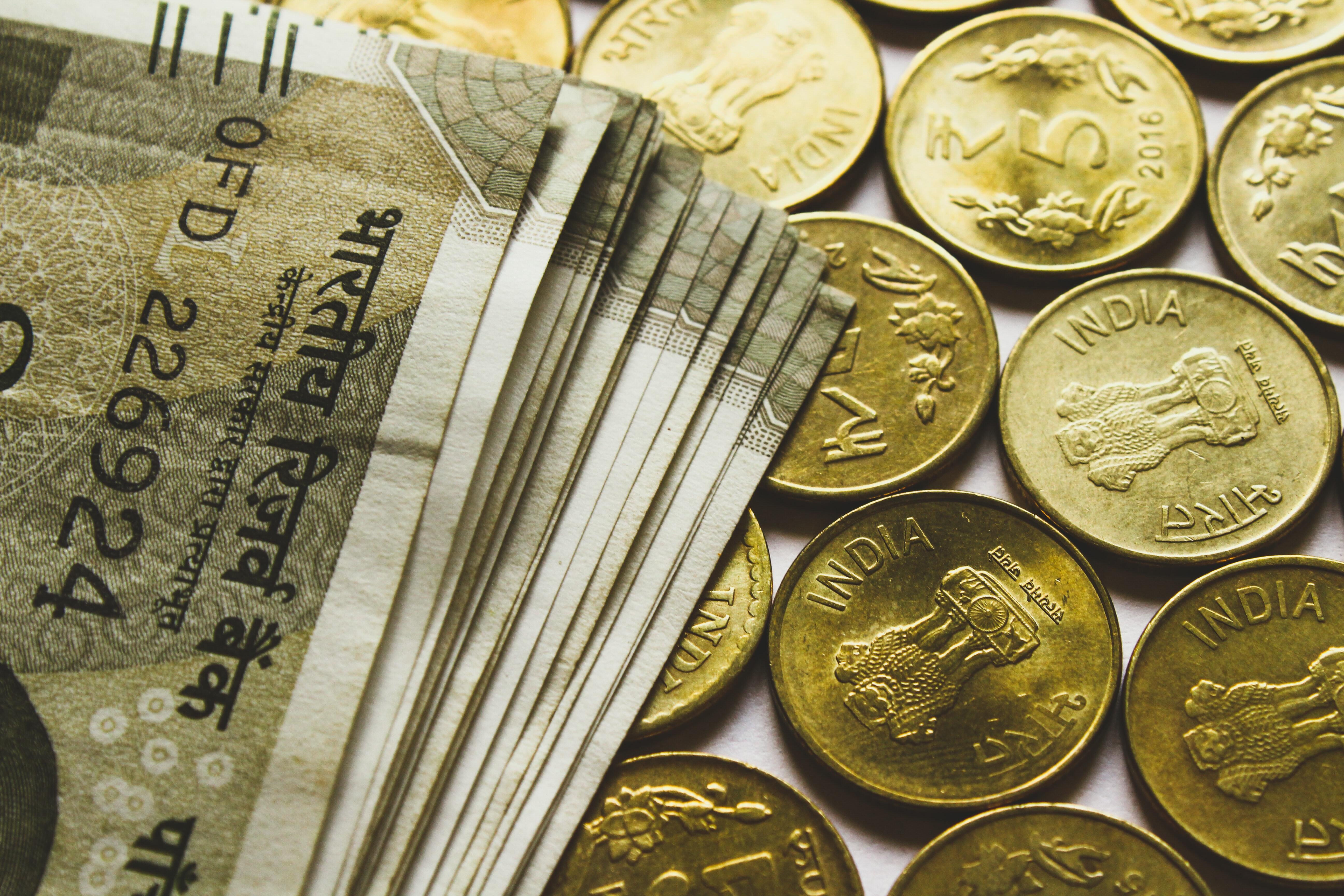
Indian Rupee (INR) edges lower on Friday due to the modest recovery of the US Dollar (USD). Risk aversion in the global markets amid escalating geopolitical tension in the Middle East dampens the sentiment and undermines the INR. Additionally, the weak domestic markets and India’s foreign outflows are likely to weigh on the local currency in the near term.
On the other hand, the lower crude oil prices could support the INR as India remains one of the top importers of crude oil. The speculation of the US Federal Reserve (Fed) rate cut in September might exert some selling pressure and act as a headwind for the pair. Later on Friday, investors will keep an eye on the preliminary US Michigan Consumer Sentiment Index for August, Building Permits and Housing Starts. Also, the Fed's Austan Goolsbee is scheduled to speak.
Daily Digest Market Movers: Indian Rupee remains sensitive to multiple challenges
- The latest Reserve Bank of India (RBI) surveys indicated an Indian economy that slowed in the second quarter and is expected to continue.
- The US Retail Sales came in better than expected in July, climbing by 1.0% MoM, compared to a decline of 0.2% in June, according to the US Census Bureau reported on Thursday.
- The number of Americans filing new applications for unemployment benefits dropped 7K to 227K for the week ending August 10, better than the 235K estimated and down from 234K in the previous week.
- US Industrial Production came in at -0.6% in July versus 0.3 prior, weaker than the market consensus of 0.3%.
- Federal Reserve Bank of St. Louis President Alberto Musalem said on Friday that he believes the time is approaching when it will be appropriate for the Fed to cut interest rates as inflation is on a path towards the 2% target.
Technical Analysis: USD/INR’s underlying trend remains bullish
Indian Rupee trades in negative territory on the day. The long-term bullish trend of the USD/INR pair is well-established, with the price holding above the key 100-day Exponential Moving Average (EMA) and the 10-week-old uptrend line. The 14-day Relative Strength Index (RSI) stands above the midline near 64.00, supporting the buyers for the time being.
The 84.00 psychological mark appears to be a tough nut to crack for buyers. A decisive above the mentioned level could pave the way to the all-time high of 84.24. Further north, the next upside barrier is seen at 84.50.
On the other hand, a breach of the uptrend line at 83.85 could undergo some downside, possibly dragging USD/INR lower to the 100-day EMA at 83.54. The next contention level to watch is 83.36, the low of June 28.
Indian Rupee FAQs
The Indian Rupee (INR) is one of the most sensitive currencies to external factors. The price of Crude Oil (the country is highly dependent on imported Oil), the value of the US Dollar – most trade is conducted in USD – and the level of foreign investment, are all influential. Direct intervention by the Reserve Bank of India (RBI) in FX markets to keep the exchange rate stable, as well as the level of interest rates set by the RBI, are further major influencing factors on the Rupee.
The Reserve Bank of India (RBI) actively intervenes in forex markets to maintain a stable exchange rate, to help facilitate trade. In addition, the RBI tries to maintain the inflation rate at its 4% target by adjusting interest rates. Higher interest rates usually strengthen the Rupee. This is due to the role of the ‘carry trade’ in which investors borrow in countries with lower interest rates so as to place their money in countries’ offering relatively higher interest rates and profit from the difference.
Macroeconomic factors that influence the value of the Rupee include inflation, interest rates, the economic growth rate (GDP), the balance of trade, and inflows from foreign investment. A higher growth rate can lead to more overseas investment, pushing up demand for the Rupee. A less negative balance of trade will eventually lead to a stronger Rupee. Higher interest rates, especially real rates (interest rates less inflation) are also positive for the Rupee. A risk-on environment can lead to greater inflows of Foreign Direct and Indirect Investment (FDI and FII), which also benefit the Rupee.
Higher inflation, particularly, if it is comparatively higher than India’s peers, is generally negative for the currency as it reflects devaluation through oversupply. Inflation also increases the cost of exports, leading to more Rupees being sold to purchase foreign imports, which is Rupee-negative. At the same time, higher inflation usually leads to the Reserve Bank of India (RBI) raising interest rates and this can be positive for the Rupee, due to increased demand from international investors. The opposite effect is true of lower inflation.
Author

Lallalit Srijandorn
FXStreet
Lallalit Srijandorn is a Parisian at heart. She has lived in France since 2019 and now becomes a digital entrepreneur based in Paris and Bangkok.

















