|

US Dollar: Treasury buybacks raise fiscal questions – BBH
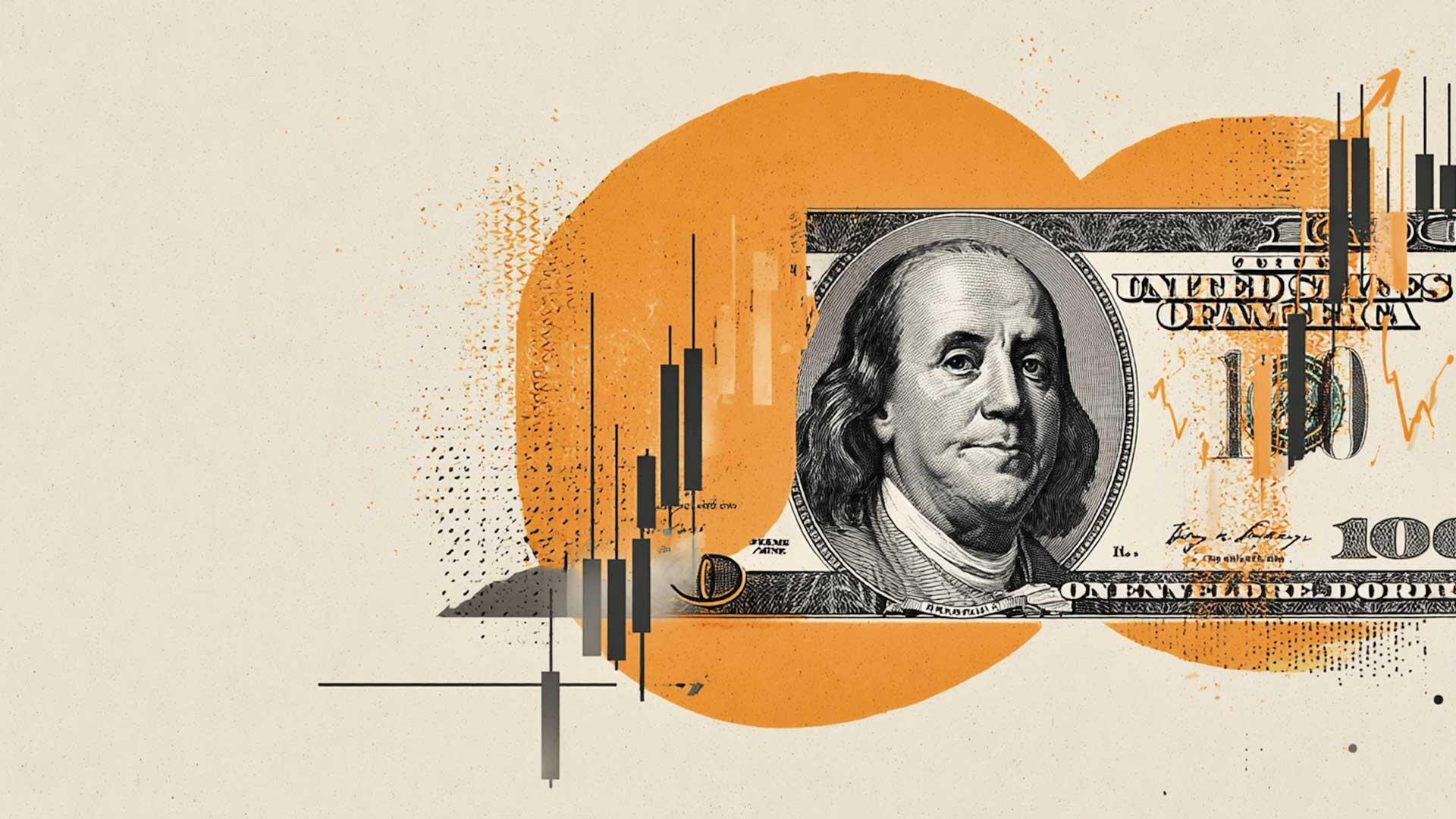
Brown Brothers Harriman (BBH) notes that US long-term Treasury yields have retraced most of their decline following the Treasury’s expanded buyback announcement, while the US Dollar (USD) remains under pressure. The bank argues that although the buybacks should improve liquidity and flatten the yield curve, their timing risks creating the perception that the Treasury is trying to manage long-term borrowing costs, potentially undermining US fiscal credibility and weighing on the Dollar.

Treasury actions weigh on Dollar

"US long-term Treasury yields have retraced most of yesterday’s drop triggered by the US Treasury’s buyback announcement, while USD has extended its decline."

"The Treasury buyback is essentially a debt-management swap. The Treasury buys and retires older, less liquid bonds (off-the-run) in favor of new, more liquid debt (on-the-run) issued through its regular auction. Total debt stays the same but its composition shifts toward newer, more liquid securities."

"The additional buyback size will probably be financed at the margin through greater bill issuance. More front-end supply combined with long-bond purchases, point to a flatter yield curve. However, the impact should be limited given the small size of the operations relative to the overall Treasury market ($31.4 trillion)."

"The timing of the Treasury’s buyback announcement sends a less comfortable message. The Treasury expanded the long-end buybacks shortly after the 30-year Treasury yield reached its highest level since 2007. This suggests that heavy debt supply (public and private) is beginning to strain long-end liquidity and the Treasury is increasingly uncomfortable with rising borrowing costs."

"Bottom line, the perception the Treasury is managing yields rather than liquidity undermines US fiscal credibility and is a drag on USD."

(This article was created with the help of an Artificial Intelligence tool and reviewed by an editor. Know more.)

Author

FXStreet Insights Team

The FXStreet Insights Team is a group of journalists that handpicks selected market observations published by renowned experts. The content includes notes by commercial as well as additional insights by internal and external analysts.


More from FXStreet Insights Team
Share:

Editor's Picks

AUD/USD bounces back toward 0.6950 on fresh USD supply

AUD/USD bounces back toward 0.6950 in the Asian session on Friday. The US Dollar retreats from 17-month highs as traders take profits off the table ahead of the all-important US Nonfarm Payrolls report. Meanwhile, the Australian Dollar draws support from reviving expectations of a November interest rate hike amid elevated global yields and inflation risks.


USD/JPY struggles near 158.00 as USD retreats ahead of NFP

USD/JPY is struggling for fresh impetus near 158.00, moving away from the top end of its weekly range in the Asian session on Friday, after hotter-than-expected Tokyo CPI and amid a broad US Dollar retreat. Traders reposition themselves ahead of US Nonfarm Payrolls.

Gold fades the earlier optimism; back below $4,200

Gold could not sustain the post-NFP bull run past the $4,200 mark per troy ounce, receding toward the $4,180 region at the end of the week. The precious metal’s inconclusive price action comes amid fresh selling pressure hurting the US Dollar as investors assess the latest NFP data.

Week ahead: Fed minutes in the spotlight amid bond market rout
The first full week of October and the final quarter of the year get underway with little fanfare in terms of the economic agenda. But far from being short on excitement, the coming week will test market nerves, as government bond yields continue to soar on growing worries that the energy crisis will only get worse, fuelling inflation.
CFTC Report: Speculators turn more defensive as Oil exposure falls
The week in one sentence: During the week leading up to September 29, long positions in crude oil were significantly reduced, while short positions in the Canadian Dollar went up. In addition, the positioning of the Australian Dollar and the Japanese Yen declined, while Coffee buying stood out against a more general background of defensiveness.
The Euro is near a one-year low: Inflation could trigger its rebound, not its fall

EUR/USD has fallen to its lowest level since May 2025. The pair hit 1.1312 on Wednesday and trades well below the January peak of 1.2082. The decline reflects a powerful combination of US Dollar strength, geopolitical uncertainty and renewed concerns about Europe's exposure to higher energy prices.