|

US Dollar Index: DXY trading in range as inflation eyed – ING
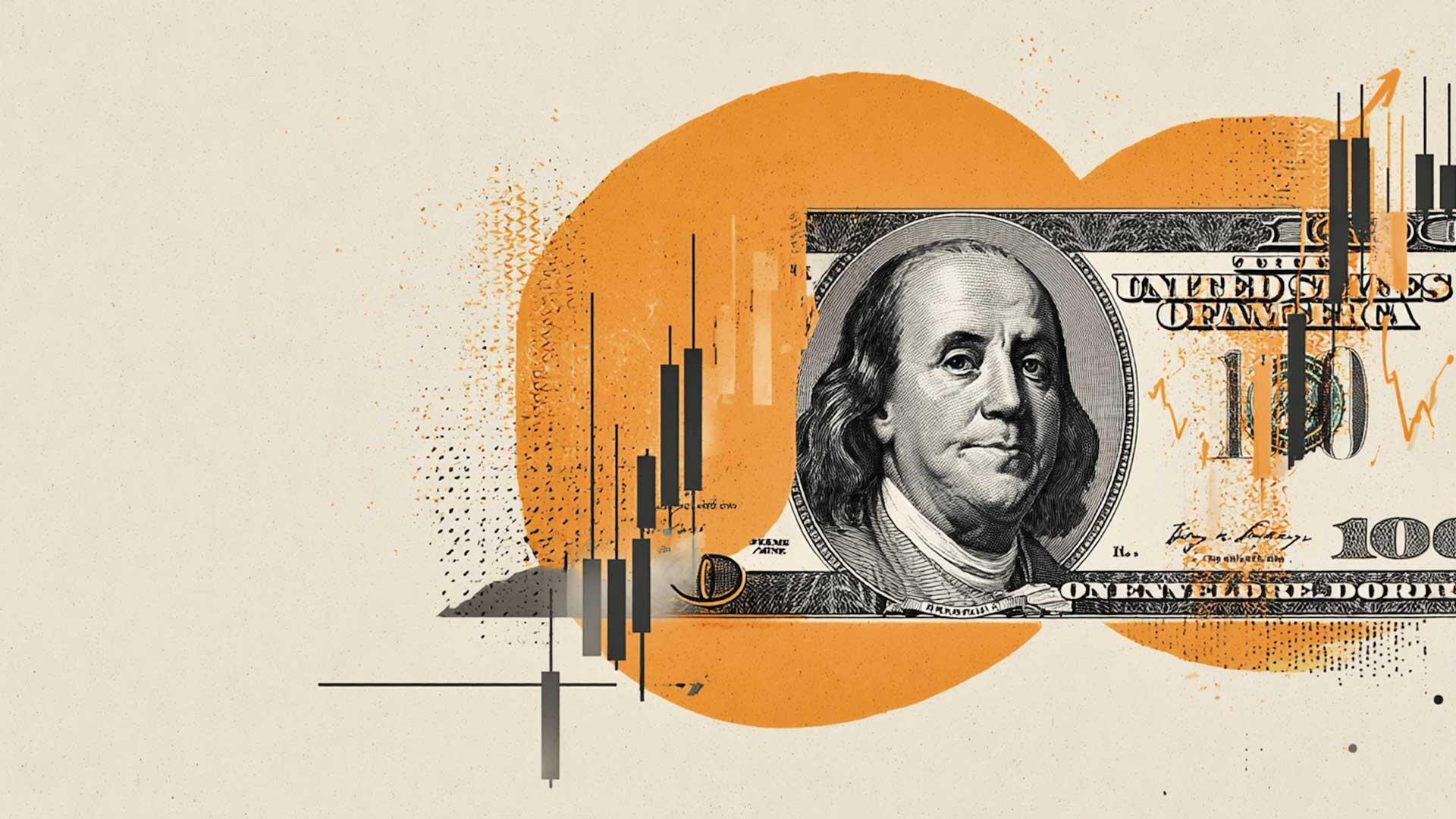
ING’s Chris Turner notes the Dollar has started the week slightly stronger as hopes for a Middle East ceasefire fade and Oil prices jump. He highlights US April Consumer Price Index (CPI) as the key release, with expectations for higher headline and core inflation. Turner sees the Federal Reserve (Fed) staying cautious and US Dollar Index (DXY) likely confined to a 98.00-98.50 range.

Dollar supported by stagflationary backdrop

"Barring some intense behind-the-scenes pressure from China to secure a deal, the market will continue to price an impasse, higher oil prices and a wave of global inflation."

"Headline inflation is expected to rise to 3.7% year-on-year (3.3%) while the core rate should rise to 2.7% (2.6%)."

"Given that the full force of the stagflationary shock has yet to hit, we struggle to see the dollar selling off in a sustained fashion just yet."

"That probably means that DXY can bounce around in a 98.00-98.50 range for a while longer, while USD/JPY can creep back to 158 even though US Treasury Secretary Scott Bessent is in Japan early this week and will probably deliver supportive words to Japan's FX intervention campaign."

(This article was created with the help of an Artificial Intelligence tool and reviewed by an editor.)

Author

FXStreet Insights Team

The FXStreet Insights Team is a group of journalists that handpicks selected market observations published by renowned experts. The content includes notes by commercial as well as additional insights by internal and external analysts.


More from FXStreet Insights Team
Share:

Editor's Picks

AUD/USD defends 0.7000 ahead of RBA on Tuesday

AUD/USD is defending 0.7000 at the start of a new week, trading near its lowest level since August 4 amid a bullish US Dollar. US yields hold near multi-year highs amid inflation risks from higher oil prices and rising bets on an October Fed rate hike. This, along with the US-Iran standoff, continues to underpin the safe-haven buck and weigh on the pair ahead of Tuesday's RBA policy announcements.

USD/JPY climbs back toward 158.00 after BoJ minutes amid firm USD

USD/JPY finds dip-buyers and reverses part of Friday's slide driven by speculation that authorities will step in again to prop up the Japanese Yen. However, the BoJ's dovish Minutes cap the JPY. Meanwhile, the US Dollar regains traction as the US-Iran standoff supports crude oil prices, fueling inflation fears and reaffirming bets for an October Fed rate hike. This further supports the pair, driving it back toward 158.00.

Gold sheds 2.5% and approaches $4,150 on renewed US-Iran risks

Gold is falling hard at the start of a new week, approaching $4,150 for the first time in eight weeks. Firming October Fed rate-hike bets, along with oil-driven inflation risks, keep US bond yields elevated near multi-year highs, helping the US Dollar hold firm, particularly after Trump rejected Iran's truce offer. These factors weigh heavily on the bullion.

Cardano: Rally pauses as mixed metrics flag caution

Cardano shows signs of consolidation, trading below $0.260 after an 11% gain the previous week. Mixed derivatives and on-chain metrics point to caution among traders. Meanwhile, the technical outlook suggests bullish sentiment remains, but ADA’s near-term direction remains uncertain. Derivatives data shows a mixed and cautious outlook among Cardano traders.

The US treasury and the German yields sustain higher

The Dollar index has dipped after testing resistance and could dip for the next few sessions while Euro can rise from here. USDJPY has dipped below 158 and is headed towards 157/156 while EURJPY can trade within 181-178 region for the near term. USDINR has mild scope of testing 95.50 while below 96 but looks eventually bullish for a rise.

Fed vs BoJ: Both hiked. The market only believes one of them – and the chart shows which

The Fed and the BoJ have just done something remarkably similar. Both central banks raised interest rates by 25 bps last week, both are confronting inflation risks, and both signal that future decisions will depend on incoming economic data.