US Dollar: Dip after FOMC but strength expected – HSBC
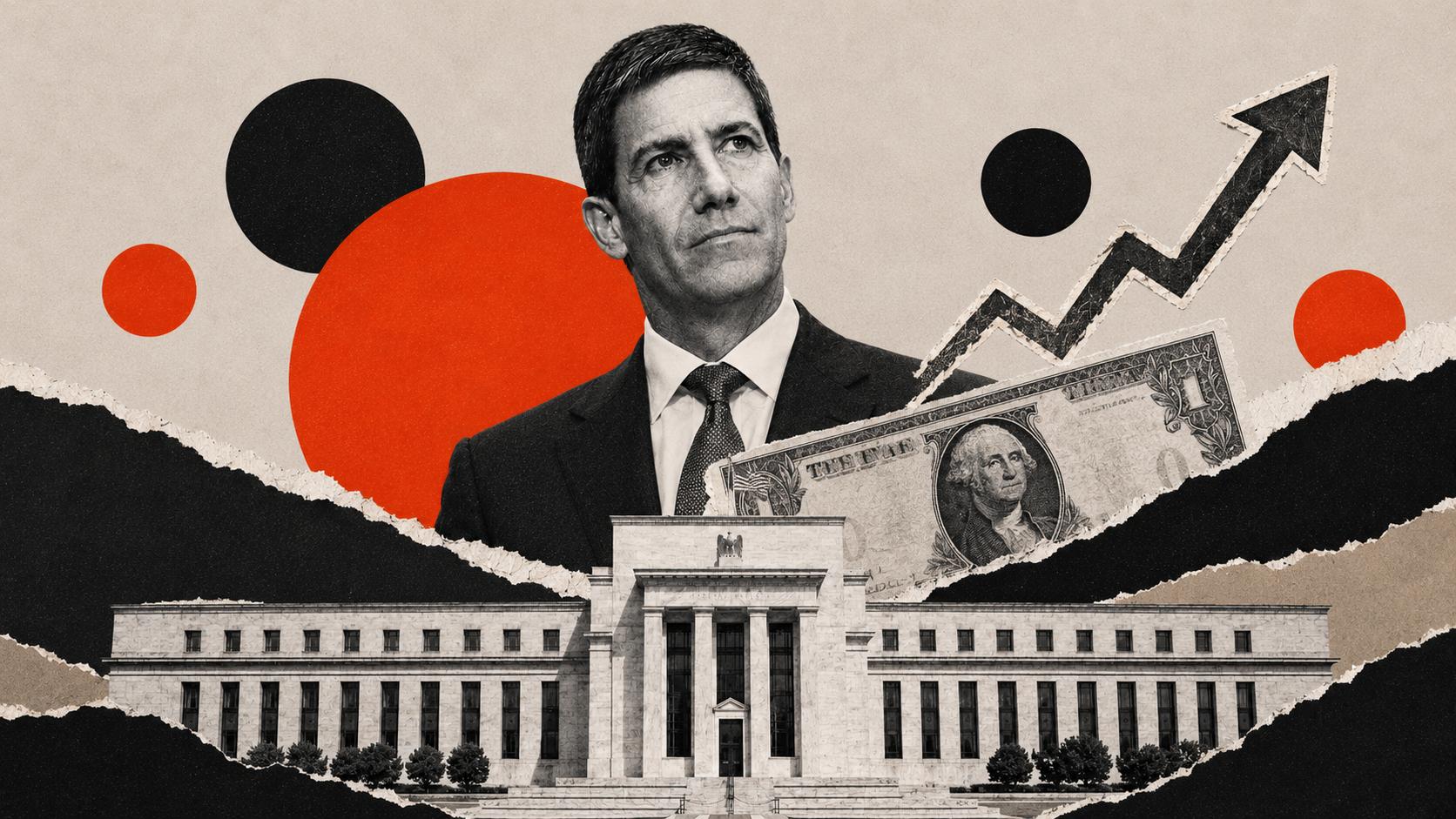
HSBC strategists discuss the US Dollar (USD) reaction to the July Federal Open Market Committee (FOMC) meeting, where the Federal Reserve (Fed) kept rates at 3.50-3.75% despite some dissent for a hike. They highlight a dovish market interpretation of Chair Warsh’s comments but maintains a constructive USD outlook, expecting the US Dollar (USD) to grind higher on resilient United States (US) economic activity and widening interest rate differentials.
Fed hold but Dollar outlook firm
"The Federal Open Market Committee (FOMC) kept the policy rate unchanged at 3.50-3.75% at its 28-29 July meeting. While this was in line with the near-unanimous economist consensus, markets had priced a 35% chance of a 25bp hike, leading to immediate USD weakness as rate expectations were modestly repriced lower."
"Federal Reserve (Fed) Chair Warsh avoided explicit guidance on the likelihood of a near-term hike, which the market interpreted as dovish and USD-negative. He also provided limited insight into the committee’s internal debate, instead reiterating the shared commitment to return inflation to the 2% target and referencing a discussion centred on four questions – including the impact of recent economic shocks and supply-chain strains – without disclosing the committee’s conclusions."
"The debate likely echoed recent Fed rhetoric. Hawkish members have argued for higher rates given persistently above-target inflation, a resilient US labor market and easy financial conditions, while the dovish contingent favours patience to allow more time to assess conditions and decide on next steps. Although the press conference did not deliver a “hawkish hold” tone, the emphasis on achieving 2% inflation suggests the door remains open to tightening if needed."
"Overall, we do not expect this meeting to derail our generally constructive USD outlook. The Fed’s narrative has shifted from an easing bias to a willingness to hike, a transition that has come alongside resilient economic activity, upside inflation risks and widening interest rate differentials. Geopolitical risk may also provide sporadic USD support although FX sensitivity to the US-Iran conflict is waning. We continue to expect modest USD strength ahead despite this setback."
"We expect the USD to grind higher supported by widening interest rate differentials and robust US economic activity."
(This article was created with the help of an Artificial Intelligence tool and reviewed by an editor. Know more.)
Author

FXStreet Insights Team
FXStreet
The FXStreet Insights Team is a group of journalists that handpicks selected market observations published by renowned experts. The content includes notes by commercial as well as additional insights by internal and external analysts.














