Trump sees post-election Iran deal, calls for pressure to stay

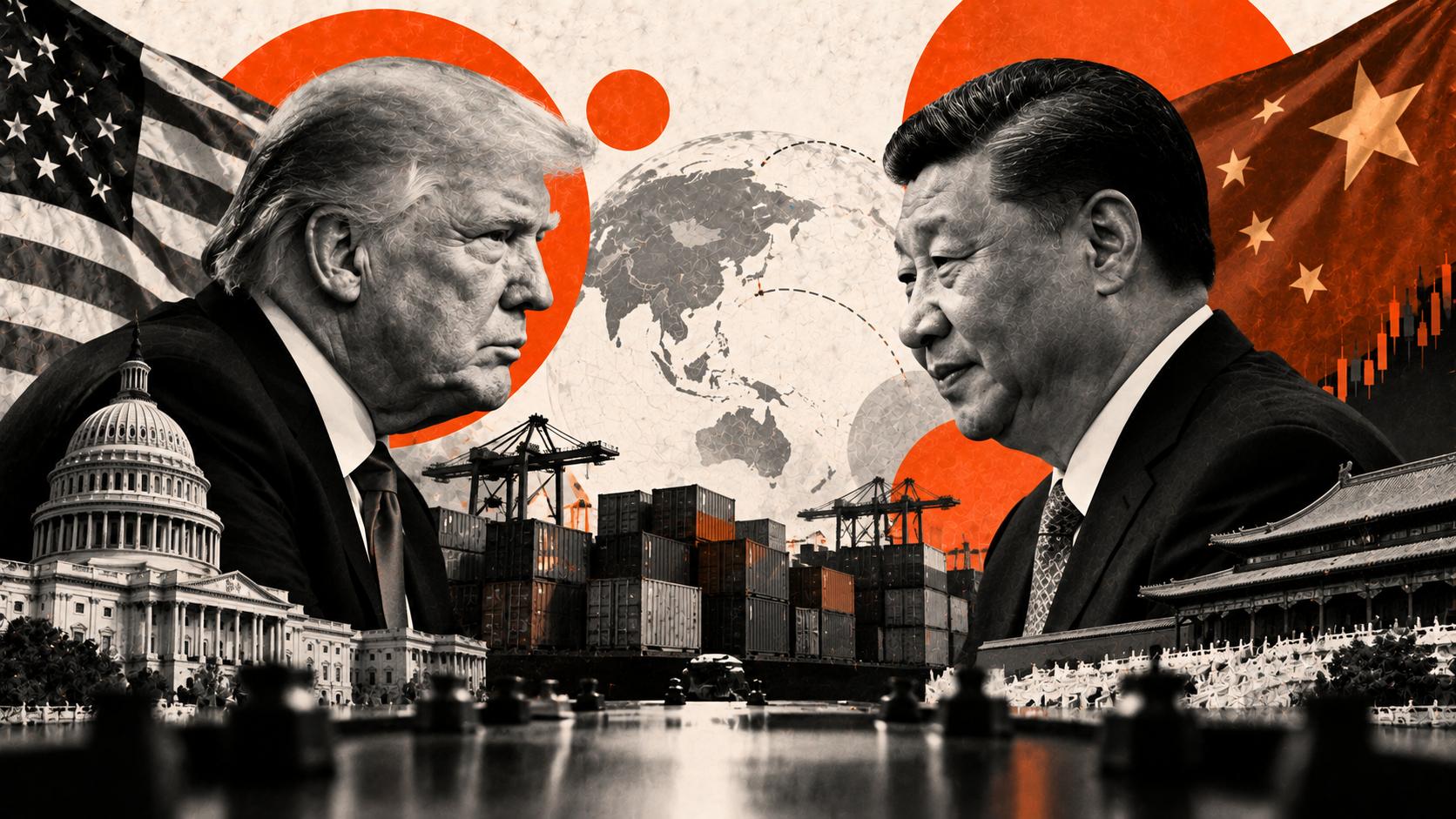
US President Donald Trump said at the UN General Assembly that “we must be united in maintaining pressure on Iran,” adding that he believes that the US and Iran will strike a deal following the US elections.
Trump added that more Oil is flowing through the Strait of Hormuz since the war started, that the US should maintain pressure on Iran, and that Tehran “will never have a nuclear weapon.”
Key highlights:
I urge Iran to make a deali urge Iran to make a deal
More oil is flowing than at any point since the war started
We must be united in maintaining pressure on Iran
I have a decision to make on Iran
I believe we'll make deal with Iran right after US election
Iran will never have a nuclear weapon
Calls on all nations to economically isolate Iran
Iran's regime is weak and desperate
Big changes can happen fast
Cuba is a failed state, freedom will be coming to Cuba
US secretary of state rubio is deep into negotiations with Cuba
We will build two major military bases in Greenland
Will sign Greenland agreement later today
US Dollar Price Today
The table below shows the percentage change of US Dollar (USD) against listed major currencies today. US Dollar was the strongest against the Canadian Dollar.
| USD | EUR | GBP | JPY | CAD | AUD | NZD | CHF | |
|---|---|---|---|---|---|---|---|---|
| USD | 0.20% | 0.17% | -0.05% | 0.21% | 0.19% | -0.12% | -0.05% | |
| EUR | -0.20% | -0.04% | -0.23% | 0.02% | -0.01% | -0.31% | -0.24% | |
| GBP | -0.17% | 0.04% | -0.23% | 0.03% | 0.02% | -0.28% | -0.20% | |
| JPY | 0.05% | 0.23% | 0.23% | 0.27% | 0.25% | -0.08% | 0.02% | |
| CAD | -0.21% | -0.02% | -0.03% | -0.27% | -0.01% | -0.32% | -0.24% | |
| AUD | -0.19% | 0.00% | -0.02% | -0.25% | 0.01% | -0.31% | -0.22% | |
| NZD | 0.12% | 0.31% | 0.28% | 0.08% | 0.32% | 0.31% | 0.09% | |
| CHF | 0.05% | 0.24% | 0.20% | -0.02% | 0.24% | 0.22% | -0.09% |
The heat map shows percentage changes of major currencies against each other. The base currency is picked from the left column, while the quote currency is picked from the top row. For example, if you pick the US Dollar from the left column and move along the horizontal line to the Japanese Yen, the percentage change displayed in the box will represent USD (base)/JPY (quote).
Risk sentiment FAQs
In the world of financial jargon the two widely used terms “risk-on” and “risk off'' refer to the level of risk that investors are willing to stomach during the period referenced. In a “risk-on” market, investors are optimistic about the future and more willing to buy risky assets. In a “risk-off” market investors start to ‘play it safe’ because they are worried about the future, and therefore buy less risky assets that are more certain of bringing a return, even if it is relatively modest.
Typically, during periods of “risk-on”, stock markets will rise, most commodities – except Gold – will also gain in value, since they benefit from a positive growth outlook. The currencies of nations that are heavy commodity exporters strengthen because of increased demand, and Cryptocurrencies rise. In a “risk-off” market, Bonds go up – especially major government Bonds – Gold shines, and safe-haven currencies such as the Japanese Yen, Swiss Franc and US Dollar all benefit.
The Australian Dollar (AUD), the Canadian Dollar (CAD), the New Zealand Dollar (NZD) and minor FX like the Ruble (RUB) and the South African Rand (ZAR), all tend to rise in markets that are “risk-on”. This is because the economies of these currencies are heavily reliant on commodity exports for growth, and commodities tend to rise in price during risk-on periods. This is because investors foresee greater demand for raw materials in the future due to heightened economic activity.
The major currencies that tend to rise during periods of “risk-off” are the US Dollar (USD), the Japanese Yen (JPY) and the Swiss Franc (CHF). The US Dollar, because it is the world’s reserve currency, and because in times of crisis investors buy US government debt, which is seen as safe because the largest economy in the world is unlikely to default. The Yen, from increased demand for Japanese government bonds, because a high proportion are held by domestic investors who are unlikely to dump them – even in a crisis. The Swiss Franc, because strict Swiss banking laws offer investors enhanced capital protection.
Author

Christian Borjon Valencia
FXStreet
Markets analyst, news editor, and trading instructor with over 14 years of experience across FX, commodities, US equity indices, and global macro markets.