Tehran markets ship attacks as customer service; Washington responds with ordnance
Iran's Foreign Ministry spent Tuesday insisting it is diligently fulfilling its Strait of Hormuz commitments under the memorandum signed at Versailles, hours after projectiles struck a Qatari liquefied natural gas carrier and a Saudi tanker inside the waterway it claims to be safeguarding. The spokesperson cast vessels sailing routes uncoordinated with Iran, or masking their transponders, as authors of their own misfortune, then professed bafflement at Qatar's accusations, framing them as an affront to neighbourly principle. Rezaei, advisor to the Supreme Leader, completed the set by declaring it obvious that Washington will steer the talks to failure; blame for a collapse is being assigned before the collapse arrives.
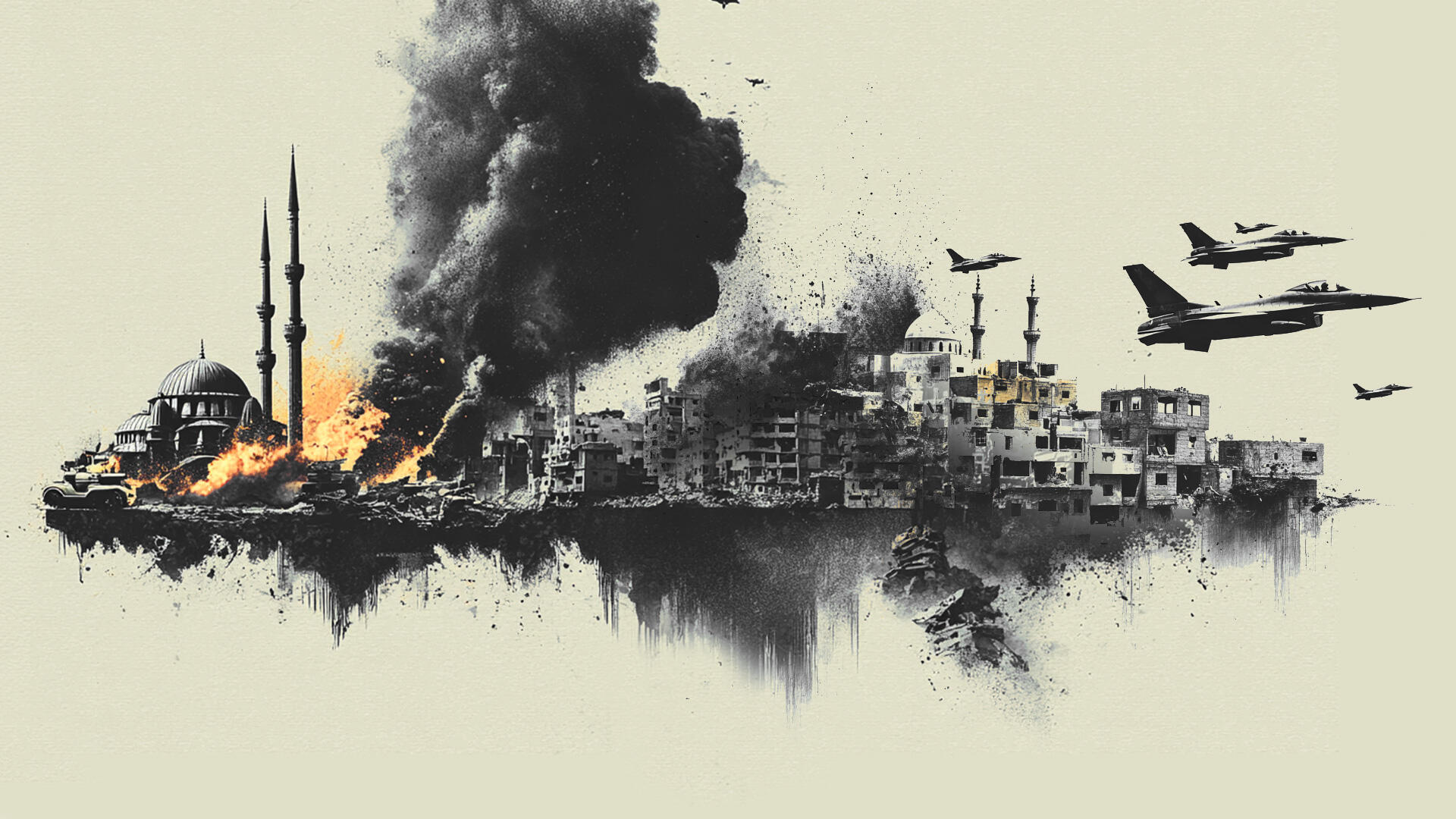
Washington's answer skipped the podium entirely, with Central Command announcing a series of intense strikes on Iran to penalize the targeting of three commercial ships, branding Tehran's hostility an unjustified, dangerous, and unambiguous breach of the ceasefire. Hours earlier the administration had already pulled the licence permitting Iranian Crude Oil sales; the pressure is now kinetic and financial at once.
Markets read the choreography for what it is; Brent settled roughly 3% higher near $74.00 per barrel and pushed toward $76.00 after hours once the licence revocation landed, yet prices sit near post-February lows because OPEC+ barrels are returning and Saudi discounts are deepening. The tape is pricing an incident premium, not a closure premium; that distinction is the entire trade.
The watch-list writes itself from here: whether the Revolutionary Guard answers the strikes under its stated doctrine of broader retaliation for every repetition, whether Iran converts route control into transit fees when the 60-day free-passage window lapses in mid-August, and whether transit counts and war-risk premiums crack. Rezaei's pre-emptive obituary for the talks says Tehran is negotiating for leverage, not settlement; every convoy that clears the Omani corridor untouched is data, and every one that does not is the repricing trigger.
Iran highlights
- Advisor to Iran's Supreme Leader Rezaei: It is quite clear US will lead the talks to failure.
- Iran's Foreign Ministry Spokesperson: Iran is diligently fulfilling its commitments per MOU in regard to necessary measures to manage the Strait of Hormuz
- Iran's Foreign Ministry Spokesperson: Commercial vessels using uncoordinated routes with Iran or tampering with the ship's tracking face risks and disrupt iran's efforts to facilitate safe passage in the Strait of Hormuz.
- Iran's Foreign Ministry Spokesperson: Qatar’s accusations against Iran regarding attack on a vessel linked to the country in the Strait of Hormuz are perplexing and inconsistent with the principle of good neighborliness.
US highlights
- US military: Iran's shown hostility was unjustified, perilous, and a clear breach of ceasefire
- US military: strikes respond to Iranian attacks on three commercial ships transiting Strait of Hormuz
- U.S. military: strikes on Iran to penalize targeting of commercial shipping
- U.S. military: Central Command forces start launching series of strikes on Iran
- U.S. military: forces have started launching a series of intense attacks against Iran
Author

Joshua Gibson
FXStreet
Joshua joins the FXStreet team as an Economics and Finance double major from Vancouver Island University with twelve years' experience as an independent trader focusing on technical analysis.