SpaceX gets stuck in the airlock as S&P slams the hatch
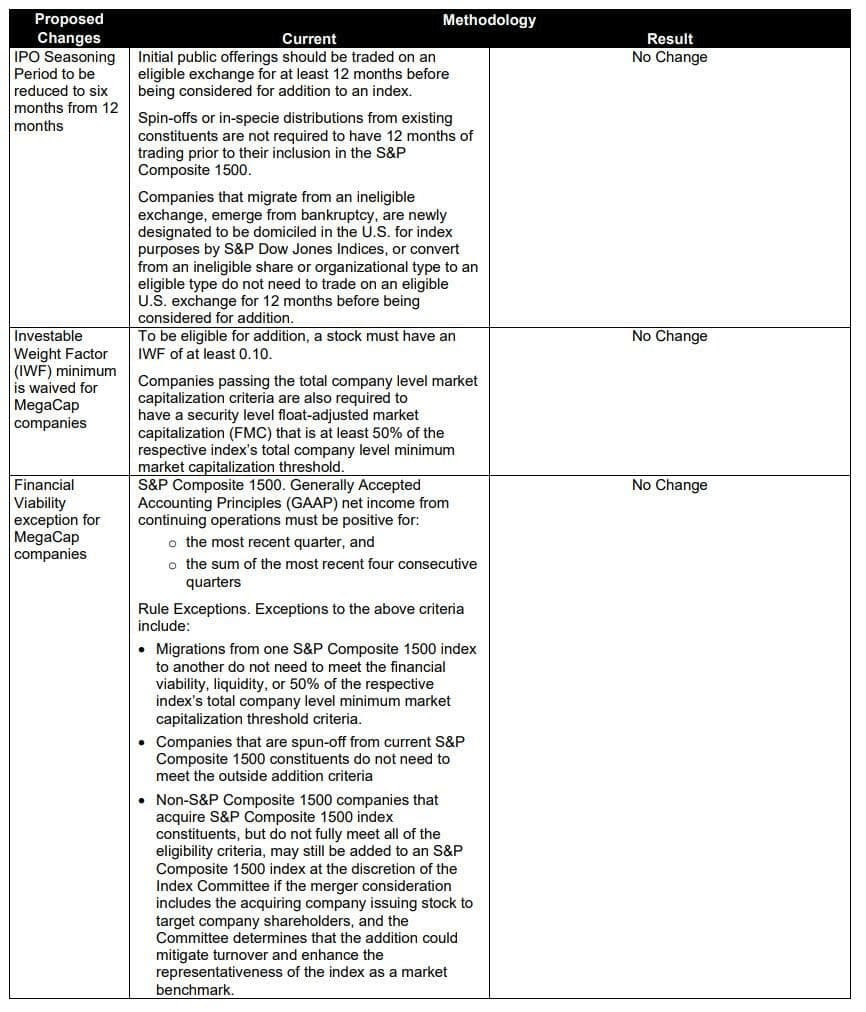
- S&P has delayed the passive money story. SpaceX must now wait at least 12 months before it can even be considered for inclusion in the S&P 500.
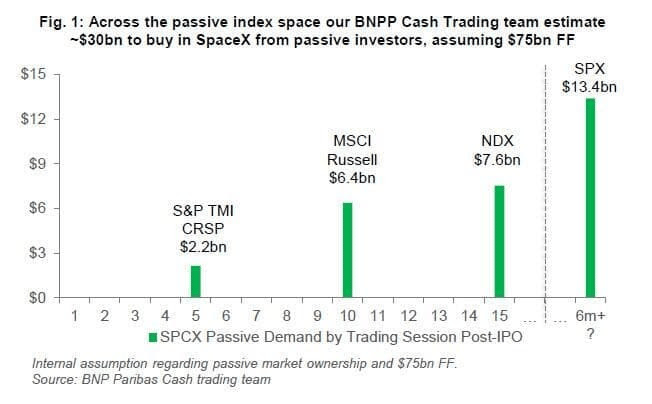
- The estimated $14 billion passive inflow event has been pushed further into the future, removing a key near-term catalyst for the stock.
- The decision may reduce liquidity stress across the broader market by delaying forced reallocations from passive funds into what would have been one of the largest index additions in history.

S&P slams the hatch
For months, Wall Street had been treating SpaceX’s eventual S&P 500 inclusion as a foregone conclusion. The assumption was simple. Launch the largest IPO in history, wait six months, then stand back as an estimated $14 billion wave of passive money flooded into the stock.
On Thursday, S&P Dow Jones quietly pulled the emergency brake.
In a move that caught much of the market off guard, S&P rejected proposals that would have accelerated entry for mega-cap IPOs. The index keeper decided not to shorten the 12-month seasoning period, not to waive profitability requirements, and not to relax public float rules, regardless of how large a company may be.
In other words, even a $1.8 trillion rocket ship does not get to cut the line.
The decision effectively leaves SpaceX floating in orbit outside the S&P 500 airlock until at least June 2027. That delays what many investors had assumed would be one of the largest passive allocation events in market history and removes a key pillar of the near-term bullish flow story surrounding the IPO.
The timing is notable because much of the excitement around SpaceX was never just about earnings, rockets or Mars. It was about market mechanics. Investors were already calculating the billions of dollars index funds would be forced to deploy once the stock entered the benchmark. That passive demand had become part of the valuation narrative itself.
S&P’s decision is a reminder that benchmark providers still see their role as gatekeepers rather than cheerleaders. The rules were designed to stop indexes from chasing market excitement before a newly listed company has established a sufficient trading history and demonstrated sustainable profitability.
For the broader market, the ruling may actually remove a source of future liquidity stress. Had SpaceX been rushed into the index after only six months, passive funds would have needed to raise enormous amounts of cash by selling existing constituents. That would have created winners and losers across the market regardless of fundamentals.
Instead, the liquidity tsunami has merely been postponed.
The irony is that Nasdaq and FTSE Russell have already moved in the opposite direction, embracing faster inclusion schedules that reflect the reality that many of today’s technology giants reach trillion-dollar valuations long before they ever ring the opening bell. SpaceX can still join the Nasdaq 100 far sooner, unlocking a meaningful but smaller pool of passive inflows.
For now, however, Wall Street’s most anticipated passenger remains stuck on the launch pad of index eligibility.
The rocket has lifted off.
The passive fuel tanks will have to wait.
A more detailed breakdown of the announcement:
Author

Stephen Innes
SPI Asset Management
With more than 25 years of experience, Stephen has a deep-seated knowledge of G10 and Asian currency markets as well as precious metal and oil markets.














