S&P 500: The higher it climbs, the greater the fear
- Inflows into US equity funds are heading towards a record high.
- Geopolitical and other fears continue to weigh on the S&P 500.

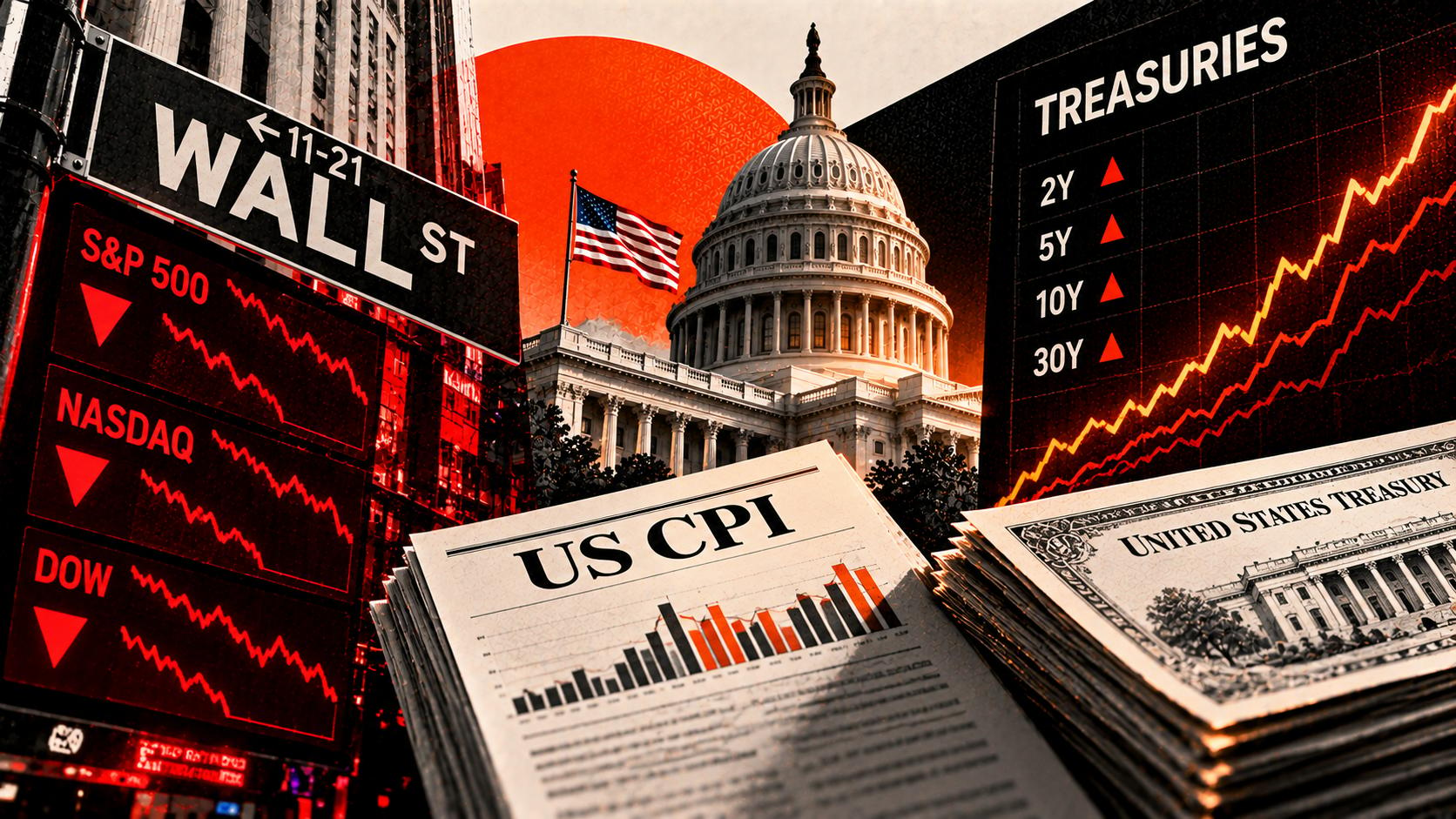
Corporate earnings are rising, the economy is on a solid footing, and interest in AI shows no sign of waning. What else is needed to convince investors of a bright future for the S&P 500? Unsurprisingly, according to Bank of America, investors poured $119.2 billion into US equity funds in the week ending 17 June. The figure for 2026 stands at $739 billion and is heading towards a record high. However, several sharp falls in the broad stock index in recent weeks suggest that investors are feeling very nervous.
An overly prolonged rally, overvalued fundamentals, a potential rise in Fed rates and the fallout from the conflict in the Middle East are unsettling the US stock market. Since the start of 2026, the S&P 500 has gained just under 10 per cent, following double-digit rallies in each of the previous three years. But nothing lasts forever. The higher the broad stock index climbs, the greater the fear of a pullback.
Strong corporate earnings have pushed down fundamental valuations. Many multiples have moved away from their multi-year highs, particularly the P/E ratio. Nevertheless, a number of financial ratios remain a cause for concern. The CAPE ratio, which compares the return on the S&P 500 to that of US Treasury bonds, has fallen to 1.3 per cent, its lowest level in a decade. If Treasury yields continue to rise, this could act as a headwind for equities.
Bond yields are rising on expectations of a tightening of the Fed’s monetary policy in September. Should the run of strong reports on the state of the US economy continue, expectations of a federal funds rate hike will shift to July. This would deal a serious blow to the S&P 500.
The US and Iran may have struck a deal, but the escalation of the conflict between Hezbollah and Israel has cast doubt on it. The adversaries are once again threatening air strikes and the closure of the Strait of Hormuz. Even if mediators manage to ease tensions, renewed clashes remain likely. That continuing uncertainty is enough to keep the S&P 500 on edge.
Author

Alexander Kuptsikevich, a senior market analyst at FxPro, has been with the company since its foundation. From time to time, he gives commentaries on radio and television. He publishes in major economic and socio-political media.