|

S&P 500 Index: Investing at all-time highs pays off – JP Morgan
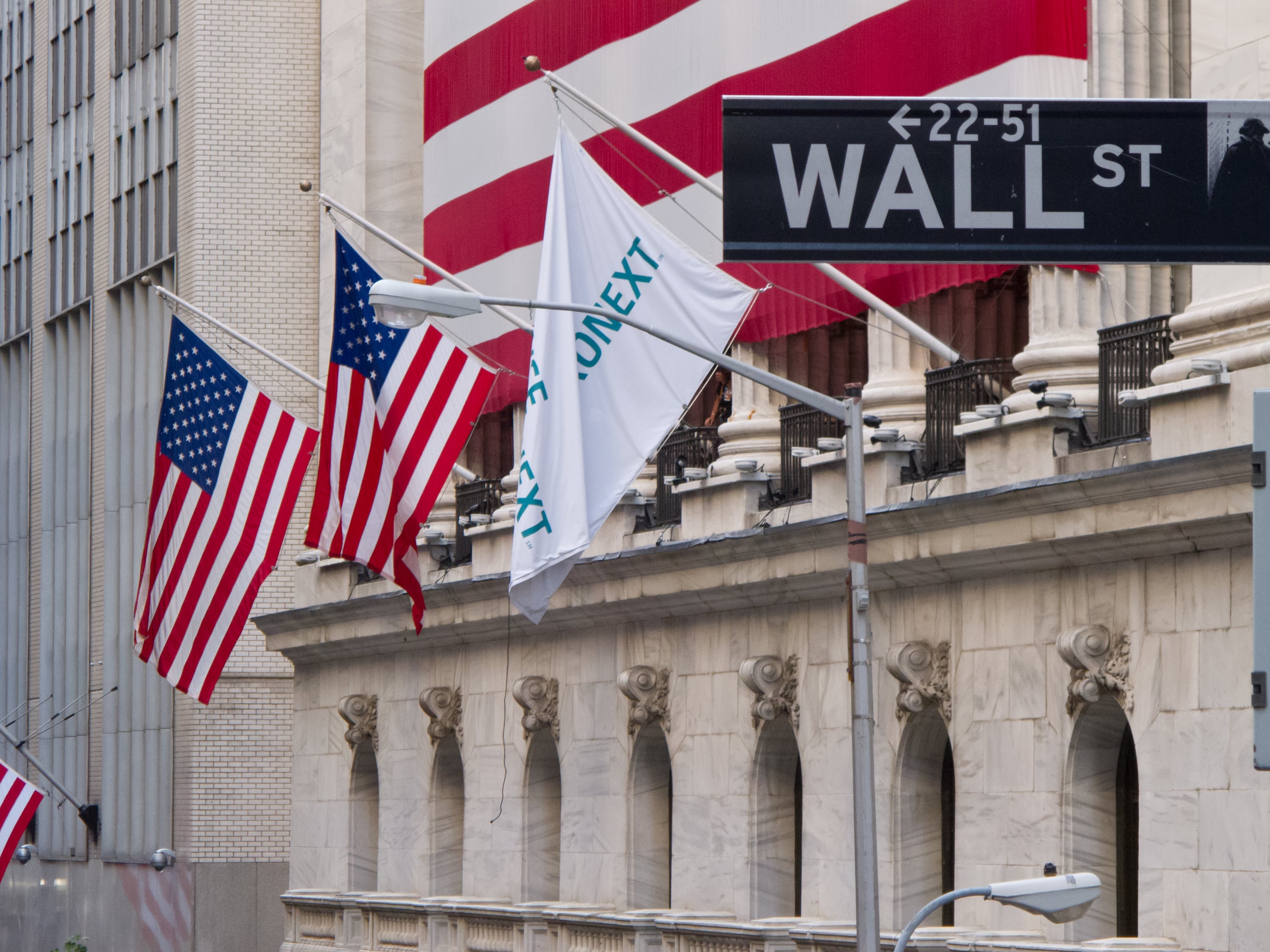
The market has had an impressive rally over the past year, rising 91% on a total return basis since the March lows. As a result, the market has reached a new high 27 times so far this year, already outpacing the average number of all-time highs achieved per year since 1988. Should “do-it-yourselfers” invest at all-time highs? According to Jordan Jackson, Global Market Strategist at JP Morgan, history suggests that now may be just as good as any to put cash to work in the market – especially if you’re investing for the long run like retirement.

See – S&P 500 Index: Earnings optimism set to constrain the upside – CE

Fundamentals remain supportive

“While we believe the path of least resistance for markets is higher, it’s reasonable to expect some choppiness as elevated valuations, risks of a new COVID-19 strain outbreak and materially higher inflation, all pose risks to the outlook.”

“ For many do-it-yourselfers (‘DIYers’) and other retail investors, as the market continues to hit new all-time highs, it’s likely they may want to pull back on risk even further. However, history suggests that now may be just as good as any to put cash to work in the market – especially if you’re investing for the long run like retirement.” 

“If you invested in the S&P 500 on any random day since the start of 1988, on average, your one-year total return was +11.9%. Perhaps somewhat surprisingly, if we only consider investments on days when the S&P 500 closed at an all-time high, your average one-year total return was +14.3%. Moreover, if we look at cumulative total returns three or five years out, the takeaway is the same.” 

 “While we, of course, cannot time the market, fundamentals remain supportive: monetary policy should remain accommodative over the next couple of years, further fiscal stimulus is on the horizon and corporate earnings should rebound strongly as the pandemic recedes, all providing support for equities over the medium-term. With this in mind, investors saving for retirement should be positioned more aggressive in their allocations.”

Author

FXStreet Insights Team

The FXStreet Insights Team is a group of journalists that handpicks selected market observations published by renowned experts. The content includes notes by commercial as well as additional insights by internal and external analysts.


More from FXStreet Insights Team
Share:

Editor's Picks

AUD/USD bulls seem hesitant below 0.7050 ahead of RBA on Tuesday

AUD/USD reverses an Asian session dip on Monday as renewed optimism over Iran diplomacy boosts investor confidence, keeping a lid on the safe-haven US Dollar and supporting the risk-sensitive Aussie. Spot prices, however, remain below the one-month high, touched last Thursday, as bulls wait for the crucial RBA decision before taking fresh positions.


USD/JPY climbs to 158.00 neighborhood as BoJ uncertainty weighs on the JPY

The USD/JPY pair gains some positive traction at the start of a new week, recovering further from Friday's post-Bank of Japan (BoJ) swing low to sub-157.00 levels. The momentum lifts spot prices to the 158.00 neighborhood during the Asian session and seems unaffected by fresh intervention warning from Japan's Finance Minister Satsuki Katayama.

Gold finds relief from Oil’s decline as traders await key US economic data

Gold retains a positive bias during American trading hours on Monday after sliding to a fresh yearly low of $3,870 on Friday and ending October down 6.87%. A pullback in Oil prices amid diplomatic efforts between the US and Iran supports the precious metal. However, the rebound lacks conviction as the fundamental backdrop continues to raise doubts over a sustained recovery.

Bitcoin braces for US midterm elections as historical sell-offs revive downside concerns
Bitcoin (BTC) braces for the impact of the US midterm elections, just a week after the $6 billion hack from Binance. Historically, congressional elections have negatively affected not just the president’s party but also Bitcoin. In the last 22 midterms, the ruling party has gained House seats only twice, while the three most recent elections coincided with Bitcoin’s bear market bottoms.
Why strong US growth could not stop the bond rally and AI selloff

The US economy grew at a 3.4% annual rate, yet Treasury yields fell and the Nasdaq ended October with its worst monthly performance since March 2025. The market is no longer rewarding capital expenditure simply because it supports growth. Investors are testing whether that expenditure can produce cash flow and returns above the cost of capital.


The 2% inflation target came from a throwaway remark. It now moves trillions
The Federal Reserve's 2% inflation goal grew out of an off-the-cuff remark by a New Zealand politician in 1988. Bond investors still price long-term US debt as if 2% holds, so a change in how the Fed measures inflation would move markets.















