Silver Price Forecast: XAG/USD rebounds to near $60.50 despite soaring bond yields
- Silver may face headwinds as US Treasury yields hover near multi-decade highs.
- Rising crude oil prices stoke inflation fears and solidify expectations for sustained high interest rates.
- Fed minutes signal potential year-end rate hike, dampening investor demand for precious metals.
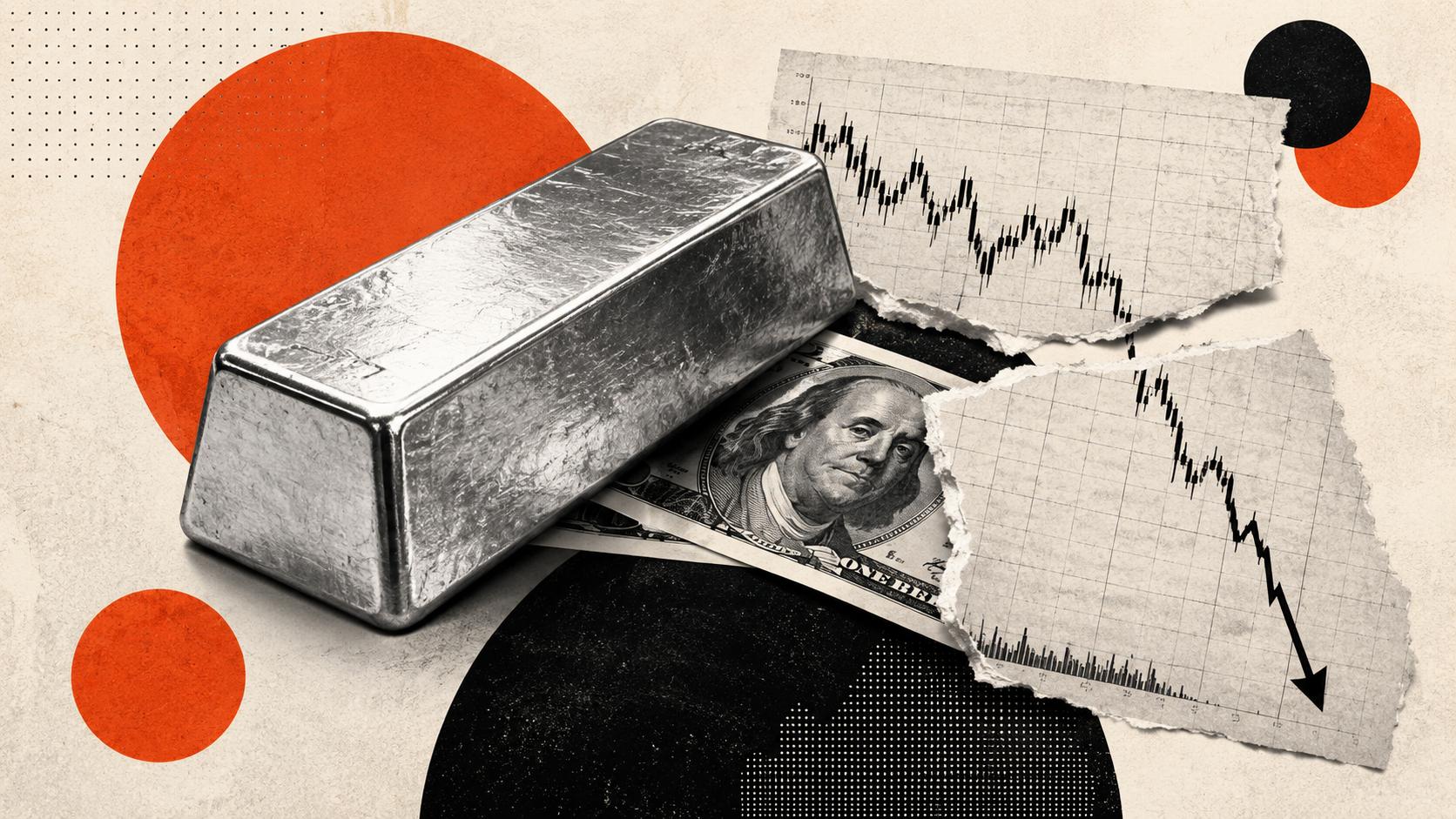
Silver price (XAG/USD) gains ground after two days of losses, trading around $60.40 per troy ounce during the Asian hours on Thursday. However, non-yielding Silver may face mounting headwinds as US Treasury bond yields hover near their highest levels since 2002, dampening investor demand for precious metals.
Meanwhile, elevated energy prices are stoking broader inflation worries. Oil advanced following reports that the Trump administration directed the Pentagon to prepare strike options against Iran ahead of the midterm elections, while shipping risks in the Strait of Hormuz remain heightened despite Middle East crude flows recovering to prewar levels.
Federal Reserve (Fed) policy expectations continue to anchor broader market sentiment. Minutes from the Fed’s latest meeting showed unanimous support among all 19 policymakers for their September rate increase, with a clear majority agreeing that an additional hike before year-end would likely be appropriate. While investors widely expect the central bank to keep interest rates on hold at its October policy meeting, CME's FedWatch tool indicates traders are still pricing in roughly a 78% probability of another rate hike in December.
CTAs trim precious metals exposure as liquidation extends
According to TD Securities, trend-following commodity trading advisors are participating in the ongoing precious metals liquidation, with the bank noting that “in the immediate term, however, CTAs are modest sellers of gold and silver, and heavy sellers of platinum on the day.” This positioning underscores a cautious stance across the complex, even as broader macro drivers such as firm real rates and Dollar resilience continue to shape investor interest in gold and silver as hedges against geopolitical and fiscal risks.
Schmid flags AI-driven inflation, keeps Fed firmly hawkish
Fed’s Schmid delivers a notably hawkish tone, with an 8/10 FXS Speechtracker score modestly above the 7.5/10 historical average, underscoring that the labor force “remains in a good place” while inflation is “frustrating” and must be fixed. The emphasis that AI is now one of the largest drivers of inflation, coupled with the warning that the Fed’s credibility is at stake and that “the Fed still has work to do on the short rate despite higher long-term yields,” reinforces a bias toward keeping policy tight and potentially extending restrictive short-rate settings.
The FXS Fed Sentiment Index rises by 0.34 points to 137.91, cementing the Fed’s stance deep in hawkish territory well above the neutral 100 mark. This incremental uptick, aligned with the stronger-than-baseline speech score, signals that markets should continue to price in a firm Fed reaction function to persistent inflation pressures, including those linked to AI-driven cost dynamics.
Silver FAQs
Silver is a precious metal highly traded among investors. It has been historically used as a store of value and a medium of exchange. Although less popular than Gold, traders may turn to Silver to diversify their investment portfolio, for its intrinsic value or as a potential hedge during high-inflation periods. Investors can buy physical Silver, in coins or in bars, or trade it through vehicles such as Exchange Traded Funds, which track its price on international markets.
Silver prices can move due to a wide range of factors. Geopolitical instability or fears of a deep recession can make Silver price escalate due to its safe-haven status, although to a lesser extent than Gold's. As a yieldless asset, Silver tends to rise with lower interest rates. Its moves also depend on how the US Dollar (USD) behaves as the asset is priced in dollars (XAG/USD). A strong Dollar tends to keep the price of Silver at bay, whereas a weaker Dollar is likely to propel prices up. Other factors such as investment demand, mining supply – Silver is much more abundant than Gold – and recycling rates can also affect prices.
Silver is widely used in industry, particularly in sectors such as electronics or solar energy, as it has one of the highest electric conductivity of all metals – more than Copper and Gold. A surge in demand can increase prices, while a decline tends to lower them. Dynamics in the US, Chinese and Indian economies can also contribute to price swings: for the US and particularly China, their big industrial sectors use Silver in various processes; in India, consumers’ demand for the precious metal for jewellery also plays a key role in setting prices.
Silver prices tend to follow Gold's moves. When Gold prices rise, Silver typically follows suit, as their status as safe-haven assets is similar. The Gold/Silver ratio, which shows the number of ounces of Silver needed to equal the value of one ounce of Gold, may help to determine the relative valuation between both metals. Some investors may consider a high ratio as an indicator that Silver is undervalued, or Gold is overvalued. On the contrary, a low ratio might suggest that Gold is undervalued relative to Silver.
Author

Akhtar Faruqui
FXStreet
Akhtar Faruqui is a Forex Analyst based in New Delhi, India. With a keen eye for market trends and a passion for dissecting complex financial dynamics, he is dedicated to delivering accurate and insightful Forex news and analysis.

















