Silver climbs above $62 on fading Fed rate hike expectations
- Silver gains more than 2% on Friday and trades around $62.35.
- Weaker-than-expected US NFP reduces expectations of Fed rate hikes this year.
- Persistent US-Iran tensions continue to underpin demand for safe-haven assets.
Silver (XAG/USD) advances to $62.35 on Friday at the time of writing, up 2.32% on the day, as investors increase exposure to precious metals following the release of a weaker-than-expected US employment report. The Nonfarm Payrolls (NFP) data revived expectations of a more accommodative monetary policy outlook, weighing on the US Dollar (USD) and supporting non-yielding assets.
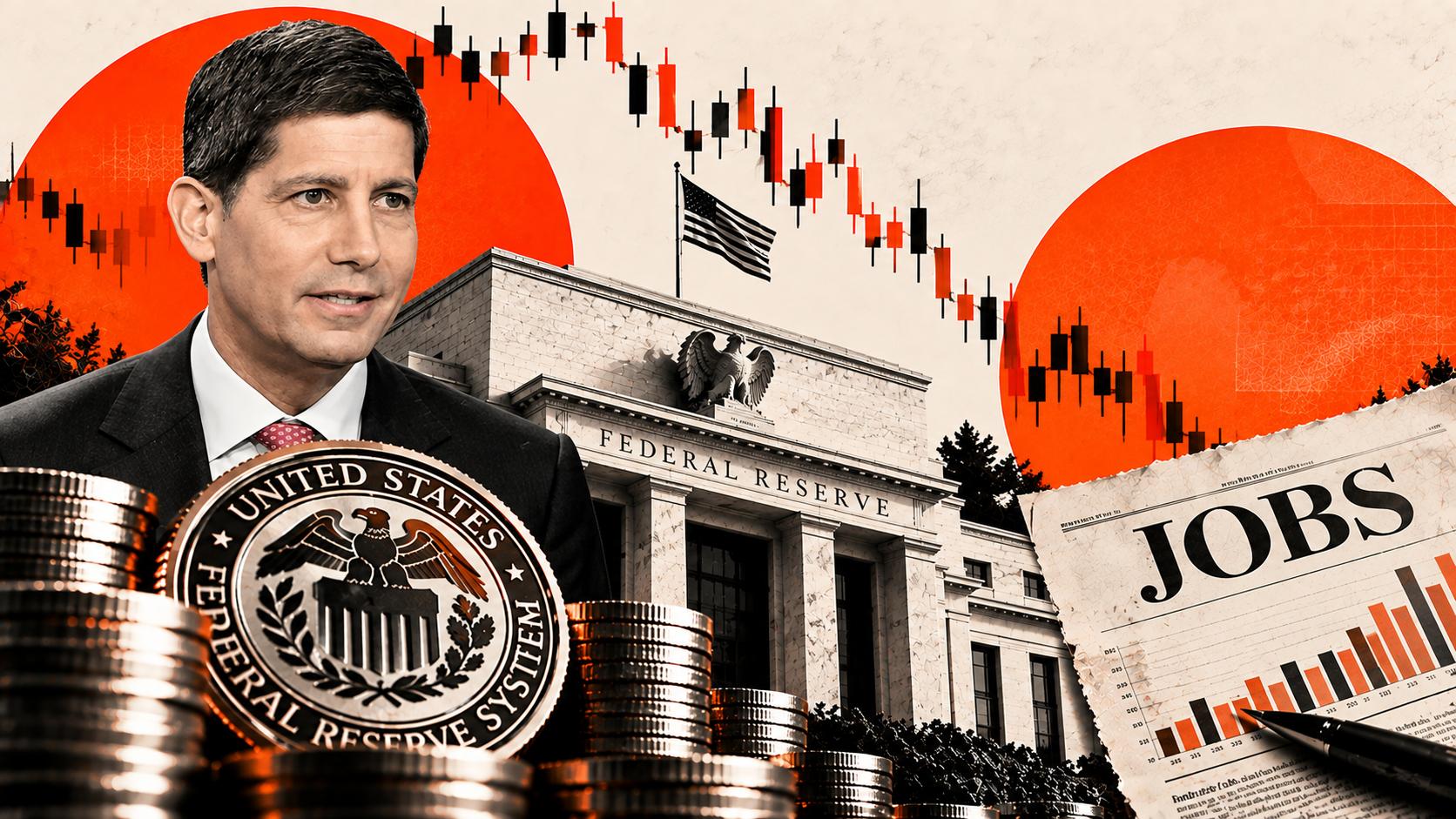
The report showed that the US economy added only 57K jobs in June, well below the market expectation of 110K. In addition, the previous month's reading was revised lower. Following the release, markets scaled back expectations for interest rate hikes by the Federal Reserve (Fed) this year. According to the CME FedWatch tool, traders now see around a 52% chance of a rate hike by September, down from 66% before the data.
The decline in rate hike expectations is putting pressure on the US Dollar, making Silver more attractive for international investors. The move is also supporting Gold (XAU/USD), which remains close to its recent highs, benefiting from the same interest rate backdrop and weaker Greenback.
At the same time, geopolitical developments continue to support demand for safe-haven assets. Tensions between Washington and Tehran remain elevated after Iran's joint military command warned that any US interference in the Strait of Hormuz would be met with a "decisive and swift response." Meanwhile, US President Donald Trump said that Iran had accepted "nearly everything we require," highlighting the continued uncertainty surrounding negotiations between the two countries.
With US markets closed on Friday for the Independence Day holiday, trading activity is likely to remain subdued. Nevertheless, investors will continue to monitor expectations surrounding the Fed's monetary policy, as well as geopolitical developments in the Middle East, both of which are likely to influence the outlook for precious metals in the near term.
Silver FAQs
Silver is a precious metal highly traded among investors. It has been historically used as a store of value and a medium of exchange. Although less popular than Gold, traders may turn to Silver to diversify their investment portfolio, for its intrinsic value or as a potential hedge during high-inflation periods. Investors can buy physical Silver, in coins or in bars, or trade it through vehicles such as Exchange Traded Funds, which track its price on international markets.
Silver prices can move due to a wide range of factors. Geopolitical instability or fears of a deep recession can make Silver price escalate due to its safe-haven status, although to a lesser extent than Gold's. As a yieldless asset, Silver tends to rise with lower interest rates. Its moves also depend on how the US Dollar (USD) behaves as the asset is priced in dollars (XAG/USD). A strong Dollar tends to keep the price of Silver at bay, whereas a weaker Dollar is likely to propel prices up. Other factors such as investment demand, mining supply – Silver is much more abundant than Gold – and recycling rates can also affect prices.
Silver is widely used in industry, particularly in sectors such as electronics or solar energy, as it has one of the highest electric conductivity of all metals – more than Copper and Gold. A surge in demand can increase prices, while a decline tends to lower them. Dynamics in the US, Chinese and Indian economies can also contribute to price swings: for the US and particularly China, their big industrial sectors use Silver in various processes; in India, consumers’ demand for the precious metal for jewellery also plays a key role in setting prices.
Silver prices tend to follow Gold's moves. When Gold prices rise, Silver typically follows suit, as their status as safe-haven assets is similar. The Gold/Silver ratio, which shows the number of ounces of Silver needed to equal the value of one ounce of Gold, may help to determine the relative valuation between both metals. Some investors may consider a high ratio as an indicator that Silver is undervalued, or Gold is overvalued. On the contrary, a low ratio might suggest that Gold is undervalued relative to Silver.
Author

Ghiles Guezout
FXStreet
Ghiles Guezout is a Market Analyst with a strong background in stock market investments, trading, and cryptocurrencies. He combines fundamental and technical analysis skills to identify market opportunities.