RBA minutes: No Surprises and a little more confidence about the consumer - Westpac
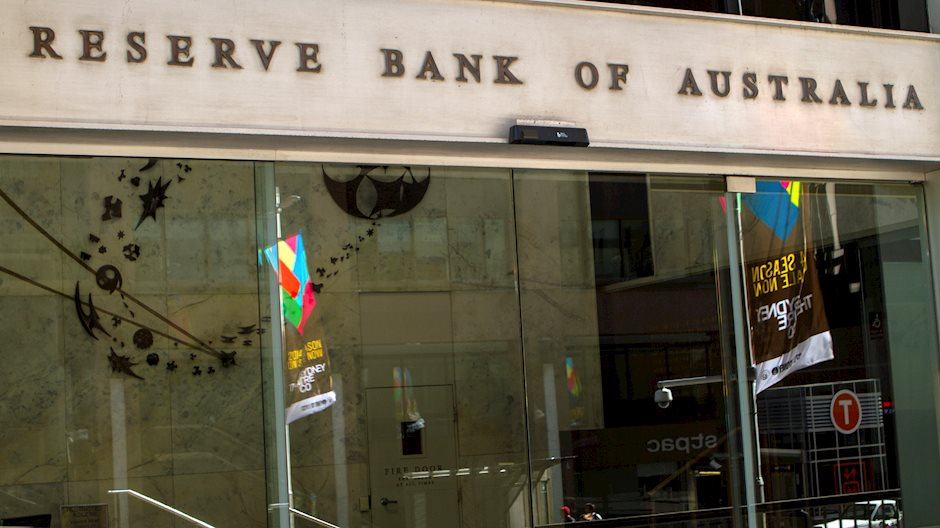

According to Bill Evans, Research Analyst at Westpac, the Minutes of the February Monetary Policy Meeting of the Reserve Bank Board of Australia has provided limited surprises.
Key Quotes
“From my perspective, the most important issue is around the Bank’s assessment of the household sector. Recall that in the minutes for the last meeting in December, the Board referred to “household consumption continued to be a significant risk”. Subsequently, they would have been shocked by the national accounts report that consumption grew by only 0.1% in the September quarter. These minutes describe that result as “notably weaker than had been expected”. However, the Board is clearly encouraged by the retail sales data for the December quarter, where volumes have rebounded (up 0.9% in real terms).”
“The Bank’s liaison program is indicating moderate growth in retail sales since then. Despite this more encouraging news, the minutes still emphasise this key risk, “there was still a risk that growth in consumption might turn out to be weaker than forecast if household income growth were to increase by less than expected”. The minutes move on to raise the risk of a negative wealth effect which might be associated with house prices or the equity market, “consumption might be particularly sensitive to adverse developments in household income or wealth”.”
“In that regard, the Board discusses developments in the housing markets, which are described as “had generally eased”. Prices had fallen for detached houses in Sydney and growth in housing prices had slowed considerably in Melbourne, while prices were little changed in Perth and Brisbane. The Board continues to raise the spectre of the sharp increase in supply of new apartments over the next few years.”
“The strength in the labour market over 2017 is recognised with employment growth having registered 3 ¼ per cent, and the unemployment rate falling to 5.5% from 5.75% a year earlier. However, the Board is more cautious about the outlook for employment growth in 2018 with growth slowing to “closer to growth in working age population” (our estimate is 1.6%). With that result, the Board notes that “some spare capacity in the labour market would remain over the forecast period”.”
“Despite that slowdown in employment growth, the Bank expects household income growth to lift. That would be associated with a lift in wages growth, although that expectation does not sit well with the observation that “new enterprise agreements had been lower than the percentage increases incorporated in agreements they were replacing”. Despite that , the Board speculates that wage growth might pick-up “by more than anticipated”. Westpac is more cautious about the outlook for wages growth and hours worked, indicating a less constructive environment for the expected boost to household incomes and consumer spending.”
“This is the first Board meeting since the release of the December quarter inflation report. The report, which showed trimmed mean inflation at 0.4% in the quarter, was described as in line with forecasts, although at an annualised pace of 1.6%, would certainly be disappointing. The Board notes that over 2017, inflation had been brought closer to the target. That is literally true with the trimmed mean annual rate lifting from 1.6% through 2016 to 1.8% through 2017. However, progress in the last six months appears to have stalled with the trimmed mean growing at an annualised pace back to 1.6%. Note that the rate through 2015 was 2.1%. So, despite two years of very easy policy and a strong labour market, progress on restoring inflation to the 2.5% target has been very disappointing.”
“The undisputed positives for the economy are business conditions and the boost in construction, both non-residential and government infrastructure. However, progress in lifting equipment investment has been limited.”
“The Board is more encouraged by the global economy than in December. “The near-term outlook for Australia’s major trading partners had been revised up slightly since November” and “global growth could continue to surprise on the upside” boosting growth and inflation in Australia. The Bank still expects commodity prices to fall over the next few years, although the forecast terms-of-trade had been revised a little higher for the near-term. The recent bout of volatility in global financial markets is discussed but does not appear to be a significant concern, although it is noted “if global inflation were to pick-up by more than expected, it would have implications for financial market pricing and exchange rates”.
“There is no concern about the persistent strength of the Australian dollar against the US dollar. With the usual caveat “an appreciating exchange rate would be expected to result in a slower pick-up in economic activity and inflation than forecast”.”
“Conclusion
- As with other communications from the Bank in recent times, there is no indication of any perceived urgency to tighten policy. In particular, uncertainty persists around the consumer and the housing market.
- Given Westpac’s long-held view that rates would remain on hold in 2018, we were encouraged to note that the minutes point out “financial market pricing suggested that market participants expected the cash rate to remain unchanged during 2018 but had priced in a 25bps increase by early 2019”.
- Neither the Bank nor the markets are onside with our call for steady policy in 2019 as well, but a continuation of this benign inflation environment, weak consumer and softening housing markets could easily convince the Bank of our case.”
Author
Sandeep Kanihama
FXStreet Contributor
Sandeep Kanihama is an FX Editor and Analyst with FXstreet having principally focus area on Asia and European markets with commodity, currency and equities coverage. He is stationed in the Indian capital city of Delhi.

















