Oil: geopolitical support and Venezuela deal risk – BNY

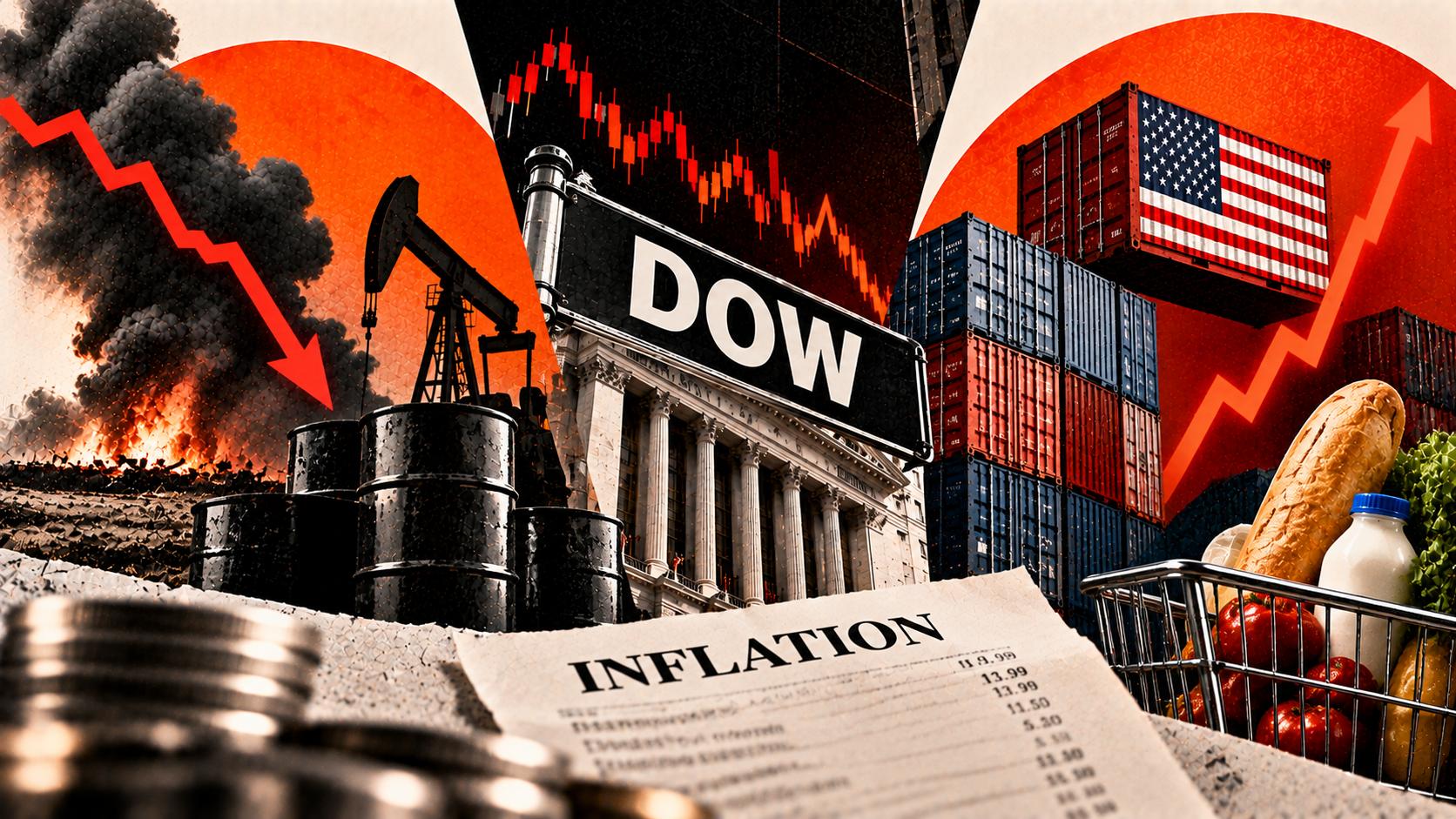
BNY’s Wee Khoon Chong notes Oil prices are underpinned by renewed U.S.–Iran tensions near the Strait of Hormuz and President Trump’s claim of a deal granting U.S. majority control over Venezuela’s vast reserves. Chong stresses elevated energy costs, tighter global crude flows and limited detail on legal terms, suggesting uncertainty around implementation and market impact.
Hormuz tensions and Venezuelan reserves
"The U.S. says it has struck Iranian rocket launchers that were preparing to send mines into the Strait of Hormuz, in its first military action against Iran in more than a month. U.S. Central Command said forces are monitoring the area closely and remain ready to protect commerce through the waterway, which carries a large share of global oil and LNG flows."
"Risk sentiment has deteriorated following Fed Chair Kevin Warsh’s hawkish Jackson Hole message, while renewed U.S.-Iran exchanges near the Strait of Hormuz have added to geopolitical risk. Weak Chinese PMI data have provided another growth headwind."
"President Trump has announced that the U.S. has struck a deal with Venezuela to secure majority control of more than 65 billion barrels of oil reserves. He said the agreement would come at “no cost” to U.S. taxpayers and claimed it would strengthen bilateral ties while helping to lower gasoline prices."
"The announcement comes amid elevated energy costs and tighter global crude flows, with prices at U.S. gas pumps around $4.09/gallon and WTI up sharply since the war with Iran began. The statement provided no details on legal terms, timing or implementation, and no official government document was included in the provided context."
(This article was created with the help of an Artificial Intelligence tool and reviewed by an editor. Know more.)
Author

FXStreet Insights Team
FXStreet
The FXStreet Insights Team is a group of journalists that handpicks selected market observations published by renowned experts. The content includes notes by commercial as well as additional insights by internal and external analysts.