Medical inflation is reshaping personal injury settlements and insurance stocks


Most cost lines behave predictably enough that you can build a model around them and revisit it once a year.
Medical inflation is not one of them.
It sits flat for a stretch, long enough for people to stop watching it, and then it moves somewhere nobody was underwriting for: a new class of injectable or a bodily injury claim that would have settled for $80,000 in 2019 and now opens at $210,000.
The people who feel it first are adjusters and plaintiff attorneys. The people who explain it last are management teams on earnings calls.
In between sits a gap that shows up in reserve development, guidance revisions, and the stock charts of names that were supposed to be defensive.
This article explains how this particular cost trend actually works, why it lands in personal injury files before it lands anywhere else, and how it eventually reaches a P&L.
Why medical costs rise faster than everything else
The textbook definition is that medical inflation is the rate at which healthcare costs rise over time.
Accurate, and close to useless in practice, because it implies the same machinery that moves gasoline prices moves the price of a knee replacement.
It doesn't. Healthcare pricing is negotiated, regionally fragmented, partly regulated, and largely invisible to the person consuming the service.
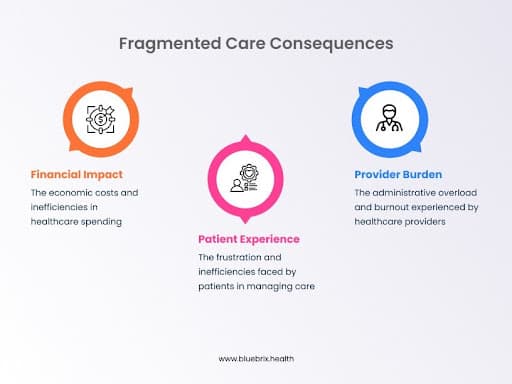
Four drivers do most of the work, and none of them respond to the levers that cool general inflation:
- Treatment intensity: New therapies and more complex care plans genuinely improve outcomes, and they cost more to deliver, staff, and maintain.
- Administrative load: One JAMA analysis put total waste in the U.S. system at $760 to $935 billion annually, with administrative complexity a major share of that. That number does not compress quickly, because it's distributed across thousands of payers, billing systems, and prior authorization workflows that all have someone defending them.
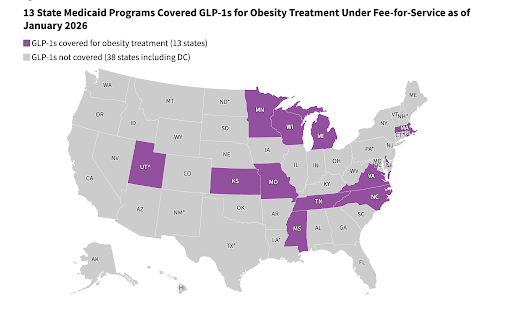
- Pharmacy: Specialty drugs, biologics, and anti-obesity medications have moved from a line item to a coverage strategy question, and those decisions travel straight into premiums and claims.
- Market structure: Provider consolidation tends to push commercial prices upward, particularly in inpatient and specialty settings. Fewer independent hospitals in a metro means less leverage on the payer side of the table.
Health insurance inside CPI is calculated off a retained-earnings proxy, not off what hospitals charge or what carriers actually pay. The index can fall in a year when real costs climb. Don't price risk off a single release.
How rising treatment costs reset injury damages
Damages in an injury case are anchored to the cost of treatment. When imaging, surgery, and rehab get more expensive, the specials get bigger, and the demand follows them up without anyone needing to argue for it.
That mechanic is doing a lot of work right now in auto liability, premises cases, and workers' compensation negotiations.
The severity data supports what practitioners already see in their files:
- CCC Intelligent Solutions has tracked multi-year increases in bodily injury severity since 2020, driven by higher medical costs and longer treatment cycles, even in periods when claim frequency wobbled with traffic volumes and weather.
- Workers' comp research has shown a similar shape, with moderation in some procedures offset by concentrated pockets of high-cost care.
Bigger bills change the file itself, not just the number at the bottom of it.
A larger share of the demand gets allocated to future care rather than incurred care, which shifts the entire negotiation onto contested ground.
And plaintiffs facing extended treatment before resolution increasingly need to solve a cash flow problem that didn't exist when cases resolved in eighteen months on smaller specials.
How plaintiff and defense strategy have shifted
The plaintiff playbook now leans heavily on projected future care.
A well-supported life care plan, built with medical and economic experts and defensible line by line, has become one of the more persuasive instruments in a negotiation, because it converts an uncertain future into a documented present-value figure that the other side has to attack specifically rather than dismiss generally.
Defense has adapted in the obvious direction.
Coding, causation, and medical necessity get scrutinized in ways they weren't a decade ago, with retained experts brought in to challenge the assumptions inside the projection rather than the projection's existence.
Discovery has tightened around letters of protection, facility fee markups at outpatient sites, and pricing for newer therapies where there's no long billing history to benchmark against.
Layered on top is jury sentiment, which carriers describe as social inflation, and which in certain venues produces verdicts well above historical norms. Combine that with a genuinely higher cost of care and the negotiating range resets long before anyone files a pretrial motion.
Nick Mendez, Founding Partner and CEO of Horton & Mendez, has seen personal injury claims from both sides of the table. Before representing injured individuals, he worked as an insurance defense attorney representing insurance companies and corporations.
He notes, "Medical expenses can become a major point of contention in serious personal injury claims. Insurers may scrutinize whether treatment was necessary, whether future care is reasonably expected, and how an injury will affect someone long term. Strong documentation and clear medical evidence can make a significant difference when establishing the full extent of a client's losses."
Defense counsel has gotten sharper about attacking projections line by line, so the work has moved earlier.
Health insurers feel it in the medical loss ratio
Health insurers take the hit most directly, and the transmission mechanism is the medical loss ratio, the share of premium dollars going out as claims.
The sequence is familiar to anyone who has watched a cycle. Claims respond immediately. Pricing responds on a renewal calendar. Guidance reflects the gap between the two.
Through 2023 and 2024, the large carriers repeatedly flagged higher outpatient and physician utilization alongside new drug spending as the pressure points.
Neither is a one-quarter problem. Utilization mix shifts are sticky, and a coverage decision on a high-cost drug class commits a plan for a full benefit year.
Property-casualty carriers see it as bodily injury severity
For auto, general liability, and workers’ comp writers, medical inflation arrives as severity on bodily injury claims, which means it shows up in reserves before it shows up in earned premium.
The lever here is rate adequacy. Carriers file for increases to match the new trend, recalibrate reserves, and adjust claim handling.
The last several years brought aggressive filings across personal auto and commercial lines to offset both physical damage inflation and rising injury costs. Combined ratios have improved as those rates earn in, though the trend assumption embedded in medical severity remains one of the more sensitive inputs in the whole calculation.
Get that assumption wrong on a long-tail line, and you find out three years later, in prior-year development, in front of everyone.
What investors now screen for in insurance stocks
Quarterly disclosures that once handled MLR variance in a sentence now run pages on outpatient procedures, GLP-1 coverage, and site-of-care shifts. That's a direct response to what analysts started demanding, and it maps to a fairly consistent screen.
- Pricing agility: How fast do premium changes reflect updated trend assumptions, and does management revise mid-year or wait for the annual cycle?
- Reserve discipline: Prior-year development in injury-heavy lines tells you whether the trend assumption was honest.
- Pharmacy exposure: How do rebates and PBM arrangements offset spend? KFF has tracked how coverage decisions on anti-obesity drugs feed into premiums and plan costs, and that exposure varies enormously by book.
- Utilization transparency: Is management explaining the inpatient-to-outpatient mix shift, elective backlogs, and unit price movement separately, or blending them into one number that conceals which one is moving?
- Capital structure, for P&C names: Reinsurance arrangements and capital buffers exist to absorb severity volatility, which is precisely the exposure medical inflation creates.
None of that shows up cleanly in a headline multiple. Two carriers with identical valuations can be running very different trend assumptions underneath, and the difference only becomes visible when one of them revises guidance, and the other doesn't.
Where policy could slow the trend
Demographics point toward steady demand growth regardless of anything else. Technology cuts both ways, raising near-term costs while sometimes reducing downstream complications. Drug pipelines will keep pressure on pharmacy benefits as newer therapies expand into broader populations.
Policy is where the variance lives.
Policy levers already in motion
- Medicare drug price negotiation. Narrow in its first tranches under the Inflation Reduction Act, but negotiated prices tend to influence commercial benchmarks over time.
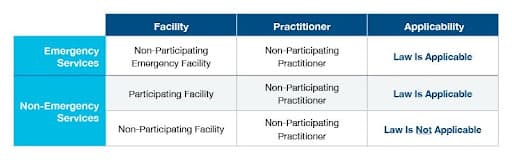
- Surprise billing protections. Already reshaping out-of-network economics and, in some cases, changing the anchor points that claims get valued against (No Surprises Act).
- Employer and plan design experiments. Site-of-care steering, value-based contracts, and price transparency tools, with results that vary by market more than most national commentary admits.
What that leaves for claims and carriers
For injury litigation, a higher baseline cost of care keeps settlement anchors elevated even if frequency declines with safer vehicles and better workplace protocols. Fewer claims, each worth more, is not an improvement for a casualty book.
For insurers, the pattern repeats with the timing shifted. Costs move, margins compress, pricing catches up, and the market rewards whoever recognized the trend first and said so plainly.
The next dislocation will probably come from a drug class or a procedure that isn't currently a line item worth discussing. It usually does.
What to watch before the next repricing
CPI's medical components will keep sending signals that contradict what insurers are actually paying, and positioning off a single print is how traders end up on the wrong side of a repricing that was visible in the underlying data months earlier.
Author
















