|

Indian Rupee: Supported by BoP and RBI stance – DBS
Indian Rupee: Supported by BoP and RBI stance – DBS

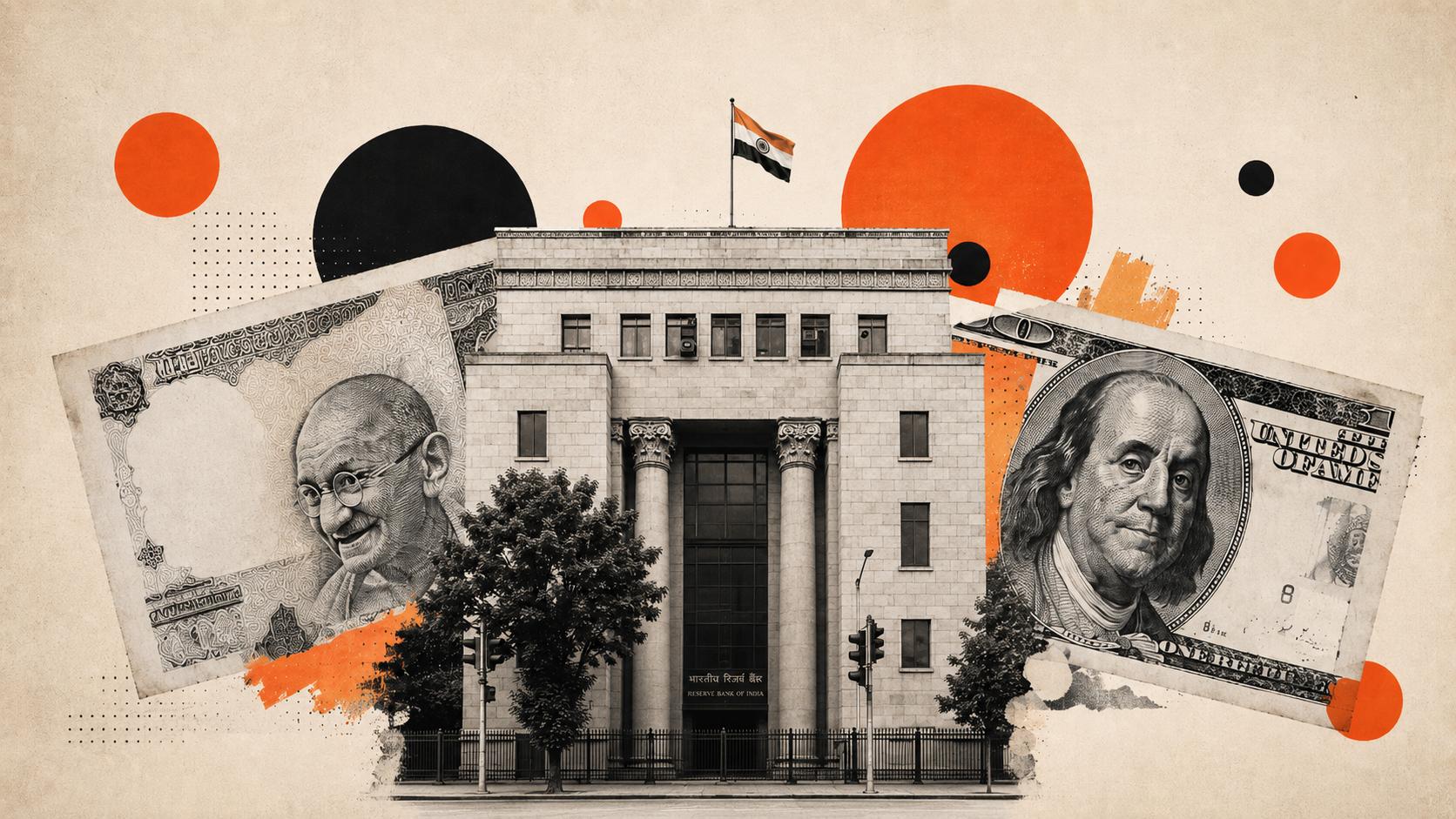
DBS economist Radhika Rao reports that USD/INR has eased towards the mid-94 handle as India’s balance of payments (BoP) improves and commodity prices fall. Near term, the Indian Rupee (INR) could benefit further from BoP-accretive flows, though Reserve Bank of India’s (RBI) forward book moderation and a firm US Dollar (USD) limit downside. Over time, DBS expects USD/INR to gradually resume an upward trend.

Rupee gains on flows and Oil correction

"USD/INR eased towards mid-94 handle, with further downside offset by a moderation in the RBI’s forward book (NDF maturities) and a firm dollar."

"In the near-term, rupee stands to gain further on BoP-accretive flows and lower commodity prices."

"Further ahead, we expect the authorities to resume absorbing incremental US dollar inflows to rebuild foreign exchange reserves, paving the way for a gradual resumption of upside in USD/INR."

"We have revised our rate call to an extended pause this year."

"Domestic bond yields were lower across the curve on a correction in oil prices and supportive RBI commentary in the past week."

"Rate hike expectations were also scaled back after dovish cues from the June MPC minutes were reinforced by recent comments from the RBI Governor where he downplayed the urgency to tighten policy levers, saying that rate hike talks were premature and any such intention would have been pre-empted by a shift to a tightening stance in June."

(This article was created with the help of an Artificial Intelligence tool and reviewed by an editor.)

Author

FXStreet Insights Team

The FXStreet Insights Team is a group of journalists that handpicks selected market observations published by renowned experts. The content includes notes by commercial as well as additional insights by internal and external analysts.


More from FXStreet Insights Team
Share:

Editor's Picks

AUD/USD edges up but Fed hike bets cap 0.6700 breakout

The Australian Dollar registers a 0.12% gain against the Greenback as tensions in the Middle East and US markets being closed for the Thanksgiving holiday kept the pair around familiar levels but below 0.6700.

USD/JPY battles 159.00 on renewed weakness, hawkish BoJ-speak

USD/JPY battles 159.00 in Asia on Thanksgiving Thursday after yesterday’s two-way moves. Hawkish BoJ commentary and intervention risks offer fresh support to the Japanese Yen. Meanwhile, the US Dollar remains on the back foot despite Fed rate-hike bets, contributing to the pair's latest leg down.

Gold struggles for traction as Fed rate hike bets dominate sentiment

Gold struggles to attract buyers on Thursday after rebounding sharply late Wednesday from a more-than-one-year low of $3,426. The prospect of higher US interest rates weighs on demand for the non-yielding metal, while swings in equities could spill over into bullion again. At the time of writing, XAU/USD trades around $3,569, little changed on the day, amid thin liquidity due to the US Thanksgiving holiday.

Crypto Market Pulse: Thanksgiving breather arrives as $7 billion Bitcoin options expiry looms

Derivatives market shows mixed sentiment, with over $600 million in 24-hour liquidations, split roughly evenly between long and short positions. About $7 billion in Bitcoin options are set to expire on the Deribit exchange this Friday, likely fueling spot market volatility.

Markets attempt to recover as Thanksgiving brings thinner trading
Important news this week. Equity markets experienced another volatile session on Wednesday, initially falling sharply before recovering much of their losses during US trading. The S&P 500 and Nasdaq managed to move away from their intraday lows, while Asian markets are also showing signs of stabilisation.
Gold rebounds toward $3,600 after a 15-month low near $3,427
Gold (XAU/USD) stabilizes below $3,600 on Thursday after rebounding sharply from a 15-month low near $3,427 reached on Wednesday. The precious metal has reclaimed the psychological $3,500 level, benefiting from a partial recovery in US equities, easing liquidation pressure and a retreat in the US Dollar (USD).