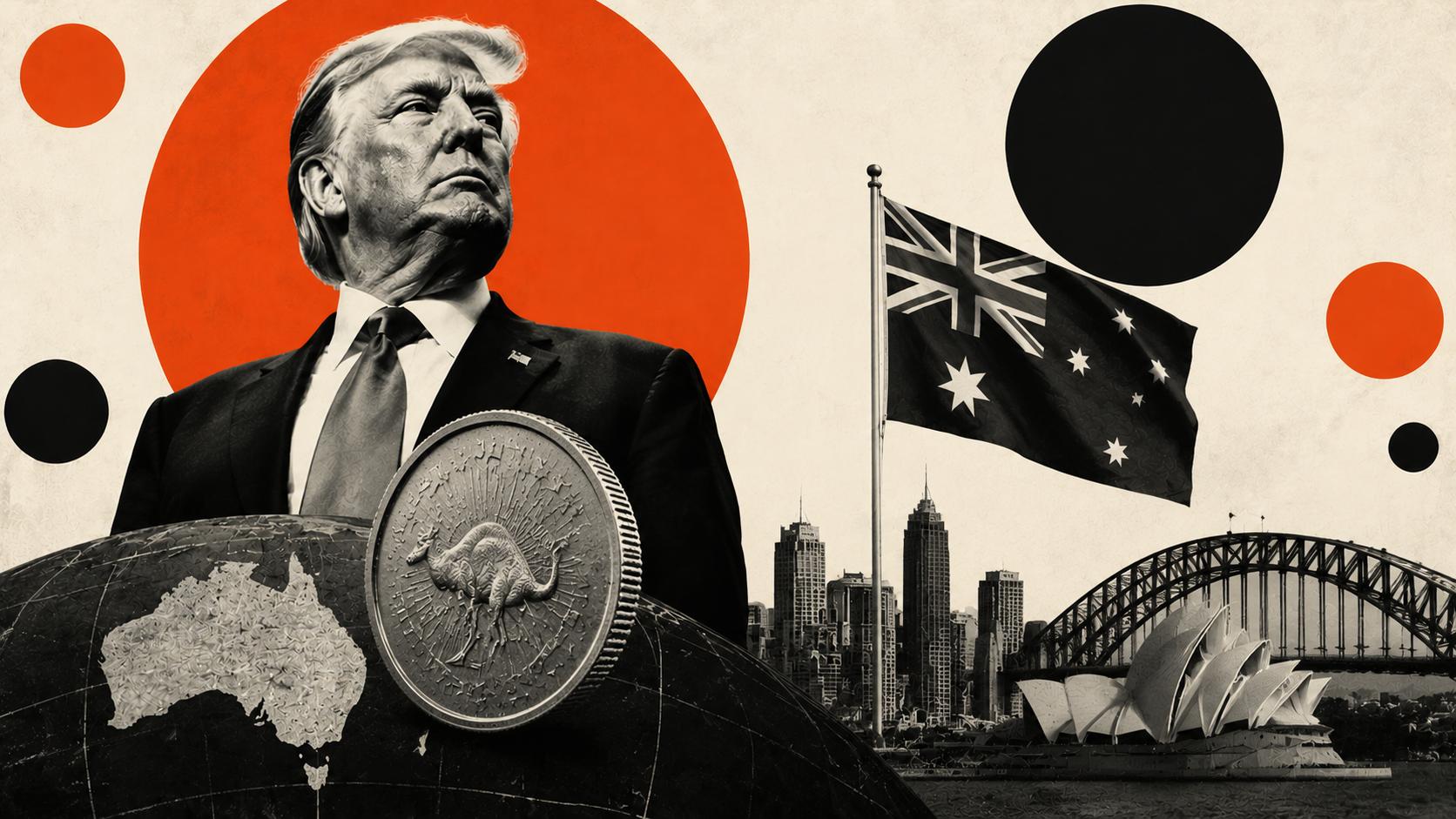
GBP/USD falls below 1.2300 following Trump tariffs
- GBP/USD depreciates around 1% amid US President Donald Trump’s tariff threats against China, Canada, and Mexico.
- US announced plans to impose a 25% tariff on Canadian and Mexican goods, while China will face a 10% tariff.
- The British Pound struggles as the BoE is widely anticipated to deliver a 25 basis point rate cut in February.

GBP/USD continues its decline for the fifth consecutive session, hovering around 1.2270 during Monday’s Asian trading hours. The pair has weakened by around 1% as the US Dollar Index (DXY), which measures the US Dollar (USD) against six major peers, gains strength following US President Donald Trump’s tariffs against China, Canada, and Mexico.
On Saturday, the US informed that it would impose 25% tariffs on Canadian and Mexican goods, while Chinese exports would face a 10% tariff. Additionally, Canadian energy exports will be subject to a 10% tariff, according to CTV. These tariffs are set to take effect on Tuesday and will remain in place until the fentanyl overdose crisis is "sorted." In response, Canada, Mexico, and China have pledged retaliatory measures against the sweeping new trade restrictions.
Meanwhile, US inflation data reinforced the Federal Reserve’s (Fed) hawkish stance on the monetary policy outlook. The Personal Consumption Expenditures (PCE) Price Index, the Fed’s preferred inflation gauge, rose 0.3% MoM in December, up from 0.1% in November. On an annual basis, PCE inflation accelerated to 2.6% from the previous 2.4%, while core PCE, which excludes food and energy, remained steady at 2.8% YoY for the third straight month.
The Pound Sterling (GBP) faces additional downside risks as traders anticipate the Bank of England (BoE) will restart its policy-easing cycle, likely cutting interest rates by 25 basis points (bps) to 4.5% in February. Investors are closely watching the BoE’s monetary policy decision next Thursday, with expectations that policymakers may adopt a dovish stance, given recent signs of slowing inflation, despite continued wage growth acceleration.
Pound Sterling FAQs
The Pound Sterling (GBP) is the oldest currency in the world (886 AD) and the official currency of the United Kingdom. It is the fourth most traded unit for foreign exchange (FX) in the world, accounting for 12% of all transactions, averaging $630 billion a day, according to 2022 data. Its key trading pairs are GBP/USD, also known as ‘Cable’, which accounts for 11% of FX, GBP/JPY, or the ‘Dragon’ as it is known by traders (3%), and EUR/GBP (2%). The Pound Sterling is issued by the Bank of England (BoE).
The single most important factor influencing the value of the Pound Sterling is monetary policy decided by the Bank of England. The BoE bases its decisions on whether it has achieved its primary goal of “price stability” – a steady inflation rate of around 2%. Its primary tool for achieving this is the adjustment of interest rates. When inflation is too high, the BoE will try to rein it in by raising interest rates, making it more expensive for people and businesses to access credit. This is generally positive for GBP, as higher interest rates make the UK a more attractive place for global investors to park their money. When inflation falls too low it is a sign economic growth is slowing. In this scenario, the BoE will consider lowering interest rates to cheapen credit so businesses will borrow more to invest in growth-generating projects.
Data releases gauge the health of the economy and can impact the value of the Pound Sterling. Indicators such as GDP, Manufacturing and Services PMIs, and employment can all influence the direction of the GBP. A strong economy is good for Sterling. Not only does it attract more foreign investment but it may encourage the BoE to put up interest rates, which will directly strengthen GBP. Otherwise, if economic data is weak, the Pound Sterling is likely to fall.
Another significant data release for the Pound Sterling is the Trade Balance. This indicator measures the difference between what a country earns from its exports and what it spends on imports over a given period. If a country produces highly sought-after exports, its currency will benefit purely from the extra demand created from foreign buyers seeking to purchase these goods. Therefore, a positive net Trade Balance strengthens a currency and vice versa for a negative balance.
Author

Akhtar Faruqui
FXStreet
Akhtar Faruqui is a Forex Analyst based in New Delhi, India. With a keen eye for market trends and a passion for dissecting complex financial dynamics, he is dedicated to delivering accurate and insightful Forex news and analysis.