Forex Today: US Dollar struggles to recover as Trump-Powell feud escalates

Here is what you need to know on Tuesday, July 22:
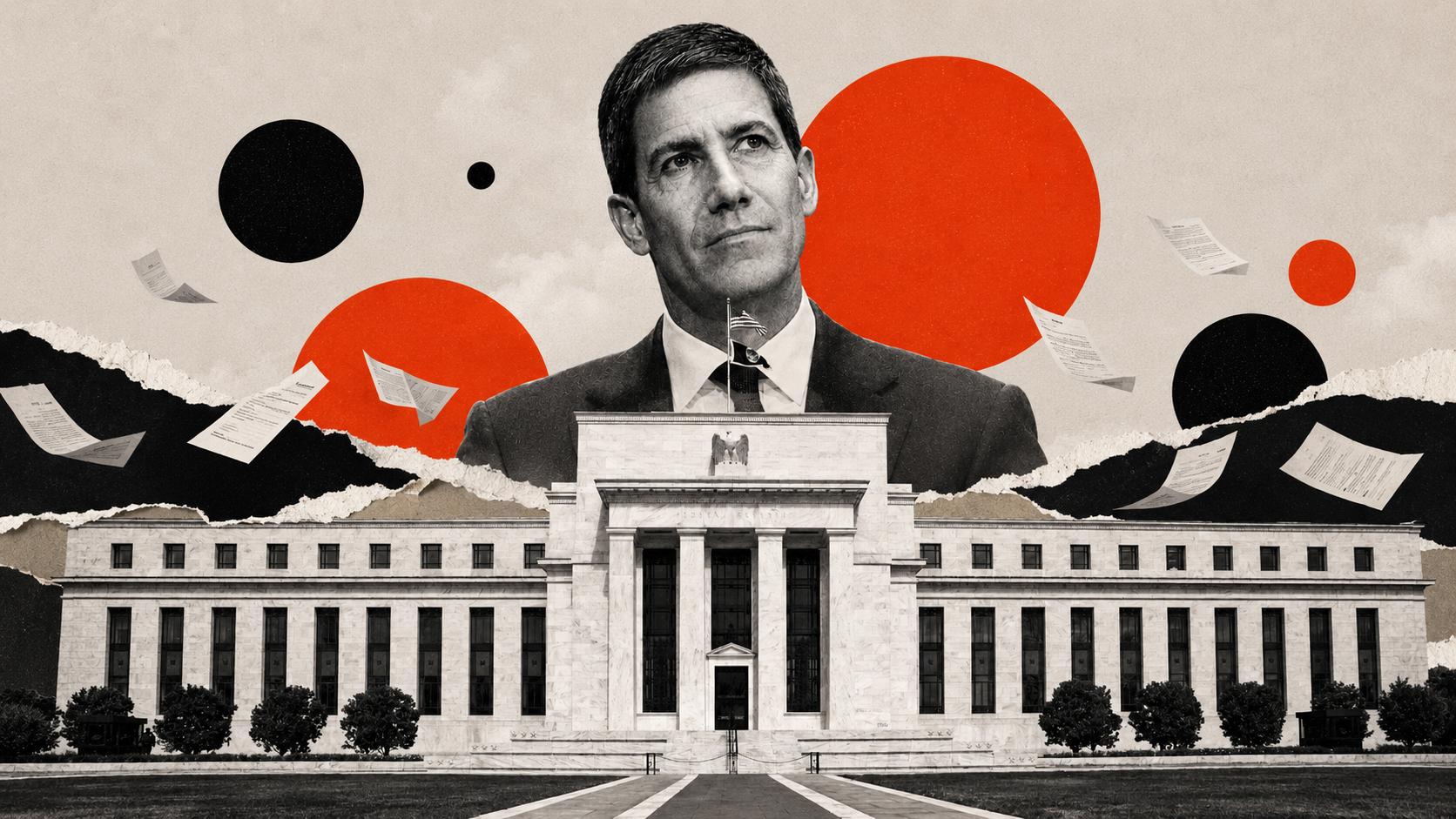
The US Dollar (USD) started the week under pressure and registered large losses against its major rivals on Monday. Although the USD holds its ground early Tuesday, investors refrain from positioning themselves for a steady recovery, while keeping a close eye on headlines surrounding the ongoing feud between United States (US) President Donald Trump and Federal Reserve (Fed) Chairman Jerome Powell.
US Dollar PRICE This week
The table below shows the percentage change of US Dollar (USD) against listed major currencies this week. US Dollar was the weakest against the Euro.
| USD | EUR | GBP | JPY | CAD | AUD | NZD | CHF | |
|---|---|---|---|---|---|---|---|---|
| USD | -0.50% | -0.38% | -0.06% | -0.18% | 0.06% | 0.48% | -0.36% | |
| EUR | 0.50% | 0.20% | 0.45% | 0.30% | 0.53% | 0.81% | 0.10% | |
| GBP | 0.38% | -0.20% | 0.04% | 0.16% | 0.36% | 0.82% | 0.10% | |
| JPY | 0.06% | -0.45% | -0.04% | -0.10% | 0.17% | 0.50% | -0.13% | |
| CAD | 0.18% | -0.30% | -0.16% | 0.10% | 0.30% | 0.66% | -0.23% | |
| AUD | -0.06% | -0.53% | -0.36% | -0.17% | -0.30% | 0.35% | -0.29% | |
| NZD | -0.48% | -0.81% | -0.82% | -0.50% | -0.66% | -0.35% | -0.72% | |
| CHF | 0.36% | -0.10% | -0.10% | 0.13% | 0.23% | 0.29% | 0.72% |
The heat map shows percentage changes of major currencies against each other. The base currency is picked from the left column, while the quote currency is picked from the top row. For example, if you pick the US Dollar from the left column and move along the horizontal line to the Japanese Yen, the percentage change displayed in the box will represent USD (base)/JPY (quote).
Citing a letter sent to the Department of Justice (DoJ), Fox News reported late Monday that Representative Anna Paulina Luna has referred Fed Chairman Jerome Powell to the DoJ for criminal charges, accusing him of perjury on two occasions. Earlier in the day, Treasury Secretary Scott Bessent told CNBC that they need to review the entire Fed institution and its performance, citing the Fed's "fear-mongering over tariffs" amid a lack of significant signs of inflation as justification. The USD Index lost more than 0.6% on Monday and erased almost all the gains it registered in the previous week. Early Tuesday, the USD Index fluctuates in a tight channel at around 98.00. Meanwhile, US stock index futures trade flat after Wall Street's main indexes closed mixed on Monday.
The US economic calendar will feature Richmond Fed Manufacturing Index for July later in the day. Fed Chairman Jerome Powell and Fed Vice Chair for Supervision Michelle Bowman are scheduled to speak during the American trading hours. Since the Fed is in the blackout period, however, they are unlikely to comment on the monetary policy outlook.
EUR/USD stays in a consolidation phase slightly below 1.1700 after posting strong gains on Monday. The European Central Bank (ECB) will publish the Bank Lending Survey in the European session.
The Reserve Bank of Australia (RBA) published the Minutes of its July monetary policy meeting on Tuesday, highlighting that the board agreed further rate cuts warranted over time and focus was on timing and extent of easing. After closing in positive territory on Monday, AUD/USD corrects lower and trades at around 0.6500 in the European morning on Tuesday.
Japan's top trade negotiator, Ryosei Akazawa, said on Tuesday that he met US Commerce Secretary Howard Lutnick for two hours in Washington on Monday, seeking an agreement benefiting both Japan and the US. Following Monday's sharp decline, USD/JPY recovers toward 148.00 early Tuesday.
GBP/USD benefited from the broad-based USD weakness and rose abut 0.6% on Monday. The pair edges lower but holds above 1.3450 in the European session on Tuesday.
Gold gathered bullish momentum and gained more than 1% on Monday to touch its strongest level in a month. After coming within a touching distance of $3,400, XAU/USD stages a technical correction and declines toward $3,380 in the European morning.
Fed FAQs
Monetary policy in the US is shaped by the Federal Reserve (Fed). The Fed has two mandates: to achieve price stability and foster full employment. Its primary tool to achieve these goals is by adjusting interest rates. When prices are rising too quickly and inflation is above the Fed’s 2% target, it raises interest rates, increasing borrowing costs throughout the economy. This results in a stronger US Dollar (USD) as it makes the US a more attractive place for international investors to park their money. When inflation falls below 2% or the Unemployment Rate is too high, the Fed may lower interest rates to encourage borrowing, which weighs on the Greenback.
The Federal Reserve (Fed) holds eight policy meetings a year, where the Federal Open Market Committee (FOMC) assesses economic conditions and makes monetary policy decisions. The FOMC is attended by twelve Fed officials – the seven members of the Board of Governors, the president of the Federal Reserve Bank of New York, and four of the remaining eleven regional Reserve Bank presidents, who serve one-year terms on a rotating basis.
In extreme situations, the Federal Reserve may resort to a policy named Quantitative Easing (QE). QE is the process by which the Fed substantially increases the flow of credit in a stuck financial system. It is a non-standard policy measure used during crises or when inflation is extremely low. It was the Fed’s weapon of choice during the Great Financial Crisis in 2008. It involves the Fed printing more Dollars and using them to buy high grade bonds from financial institutions. QE usually weakens the US Dollar.
Quantitative tightening (QT) is the reverse process of QE, whereby the Federal Reserve stops buying bonds from financial institutions and does not reinvest the principal from the bonds it holds maturing, to purchase new bonds. It is usually positive for the value of the US Dollar.
Author

Eren Sengezer
FXStreet
As an economist at heart, Eren Sengezer specializes in the assessment of the short-term and long-term impacts of macroeconomic data, central bank policies and political developments on financial assets.