Federal Reserve: Markets eye Warsh signals – Rabobank
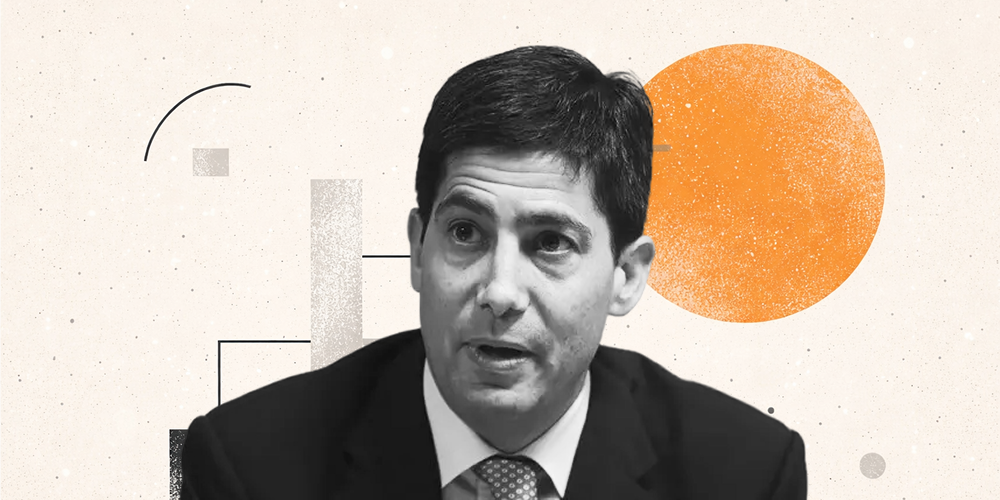
Rabobank’s Senior Macro Strategist Bas van Geffen notes that central bankers and market participants are focused on Jackson Hole, where FOMC Chair Warsh will give the keynote. Report highlights his aversion to forward guidance and suggests he may avoid clear policy signals. He also flags colleagues’ recent inflation warnings and the potential impact on US Dollar (USD) and rates markets.
Warsh keynote keeps guidance uncertain
"Central bankers, economists, and journalists flock to the town for the Fed’s annual policy symposium. Policymakers have plenty to discuss as the world transitions to a new world order, which generally does not happen smoothly. Geopolitics and AI are just two factors creating global shockwaves, and risks to security, the economy – and inflation."
"The FOMC’s own chairman is the exception. Warsh is scheduled to be the keynote speaker today. Previous Fed chairs have used this opportunity to flag turning points in US monetary policy, but since taking the helm at the Fed, Warsh has been avoiding every form of forward guidance."
"Will he stick to his script and tell people asking about the direction of Fed policy to do what made Jackson Hole the venue for the symposium – “go fish”? Or will he feel compelled to be a bit more outspoken, after Treasury Secretary’s Bessent’s interventions in the rates market pushing back against the long end of the Treasury curve? The lack of a monetary policy panel in this year’s schedule suggests that Warsh will stick with the first option."
"Several of his colleagues warned of inflationary pressures ahead of the event, and ECB speakers have started to lean into a September hike as well – although most are still non-committal about any moves beyond that horizon."
"Jackson Hole is either going to be the highlight of the day or a snoozefest for markets."
(This article was created with the help of an Artificial Intelligence tool and reviewed by an editor. Know more.)
Author

FXStreet Insights Team
FXStreet
The FXStreet Insights Team is a group of journalists that handpicks selected market observations published by renowned experts. The content includes notes by commercial as well as additional insights by internal and external analysts.
















