|

Fed: The environment may not be very conducive to tapering in late 2021 and 2022 – Natixis
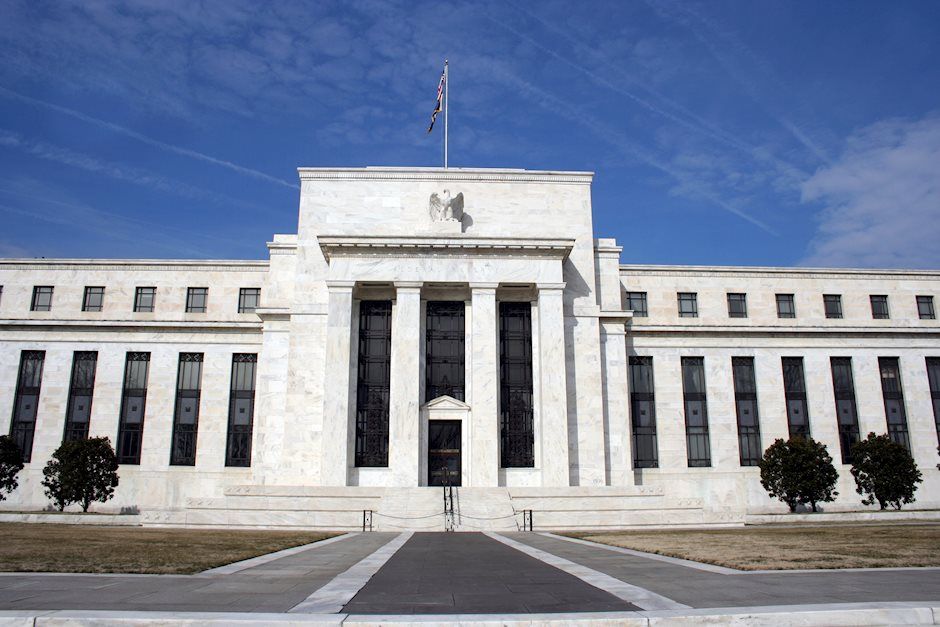
The Federal Reserve’s statements suggest that it will reduce the size of its asset purchases from the end of 2021; those from the European Central Bank suggest that it will reduce them in 2022. If, in late 2021 and in 2022, there is a slowdown in growth and significant disinflation then it will be difficult for the Fed and the ECB to justify tapering, analysts at Natixis report.

The fresh COVID-19 wave in the US from summer 2021

“The first obstacle to tapering concerns the US in particular: the rising number of COVID-19 cases due to a wave of the Delta variant, which is weakening the economy: declining production prospects, household confidence, job creation.”

The risk of a growth slowdown in late 2021 and in 2022

“Growth at the end of 2021 and in 2022 may be slowed by the likely reduction in fiscal deficits between 2021 and 2022, the fall in real wages in 2021 and commodity supply bottlenecks, which are holding back growth in several sectors.”

Disinflation, which could be significant between 2021 and 2022

“The central banks are forecasting significant disinflation between 2021 and 2022, but it could even be more pronounced, given the absence of a rise in unit labour costs and a change of the sign of the base effect of commodity prices, which, after having risen significantly between 2020 and 2021, will fall (even if only slightly) between 2021 and 2022.”

“As has been all but announced, especially in the United States, the solution may be a partial and conditional tapering of securities purchases.”

Author

FXStreet Insights Team

The FXStreet Insights Team is a group of journalists that handpicks selected market observations published by renowned experts. The content includes notes by commercial as well as additional insights by internal and external analysts.


More from FXStreet Insights Team
Share:

Editor's Picks

EUR/USD eyes nine-day EMA barrier after rebounding from 1.1600

EUR/USD gains ground after registering modest losses in the previous session, trading around 1.1620 during the Asian hours on Friday. The technical analysis of the daily chart suggests an ongoing bearish bias as the pair remains within the descending channel pattern.

GBP/USD: Pound Sterling ticks up against US Dollar in countdown to US NFP

The Pound Sterling trades marginally higher to near 1.3365 against the US Dollar during the Asian trading session on Friday. The GBP/USD pair edges up as the US Dollar ticks down ahead of the United States Nonfarm Payrolls data for February, which will be published at 13:30 GMT.

Gold awaits US Nonfarm Payrolls for a clear directional impetus

Gold rebounds above $5,100 early Friday after testing the $5,050 level amid global sell-off. The US Dollar pulls back as profit-taking creeps in ahead of US labor data. For February. 21-day SMA holds amid bullish RSI; a daily closing above 61.8% Fibo is critical for Gold buyers.

Top Crypto Gainers: Lombard, Humanity Protocol, OKB rally on US Fed’s tokenized securities clarity, NYSE investment

Lombard, Humanity Protocol, and OKB rally over the last 24 hours, securing the top-gainer spots in the early Asian session. The US Federal Reserve issued clarity on tokenized securities, which expands its utility and reduces regulatory friction with US banks, driving the Real-World Assets tokenization crypto projects. 

The market compass is pointing at a barrel of Oil

The Asian open is arriving with equities leaning the wrong way, and the reason is not complicated. The market’s compass needle has snapped firmly toward crude. In this tape, oil is not just another input price; it is the gravitational center around which every asset class is orbiting.

Ripple tests recovery strength amid steady ETF inflows, growing retail interest

Ripple (XRP) continues to demonstrate notable resilience as the cryptocurrency market navigates the persistent war in the Middle East after the United States (US) and Israel attacked Iran on Saturday.