Experts agree: The Indian Rupee enjoys a short-term respite that may not last
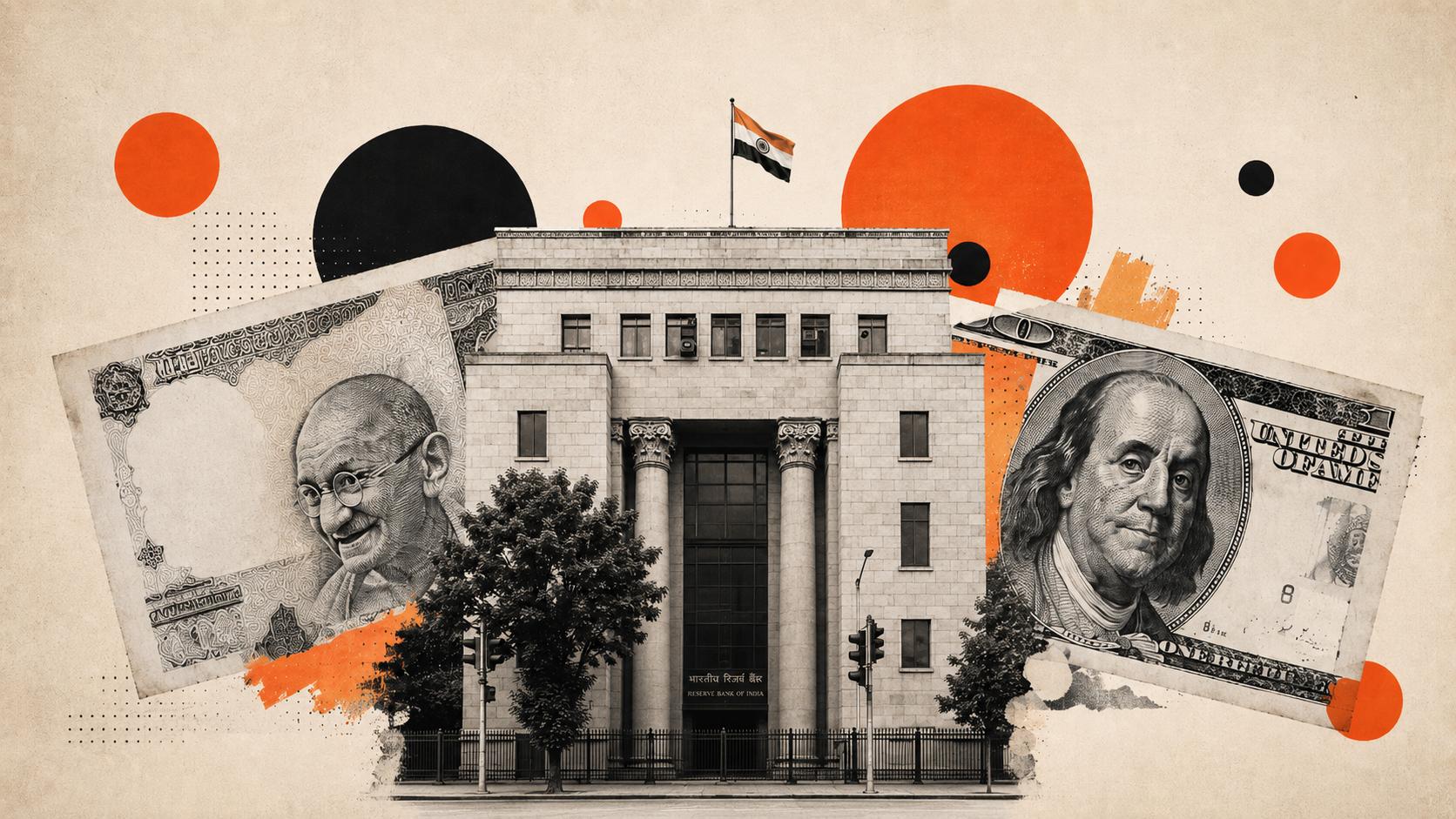
The Indian Rupee (INR) is receiving a notable boost following the Reserve Bank of India's (RBI) monetary policy meeting on Friday, when policymakers unanimously decided to hold the benchmark repo rate steady at 5.25%. While maintaining a neutral stance, the central bank and the government introduced a comprehensive, coordinated package of capital flow measures designed to attract foreign investment and shore up external balances.
Still, major financial institutions note that structural inflation risks driven by food and energy costs loom large, indicating that a shift toward future policy tightening is likely on the horizon.
Targeted capital flow tools provide immediate relief for the Rupee
Analysts at OCBC highlight that the RBI's decision to maintain status quo on rates was paired with a comprehensive set of administrative actions. These temporary mechanisms – ranging from concessional foreign exchange swaps to broader access for foreign institutional investors – are expected to lift market sentiment and fortify India's balance of payments over the near term, even as domestic inflation challenges continue to brew.
These steps are incrementally positive for India’s balance of payments and could lift market sentiment, providing near-term support to INR. That said, our economists still expect cumulative tightening of 50bp in FY27.
Coordinated fiscal and monetary measures anchor foreign capital inflows
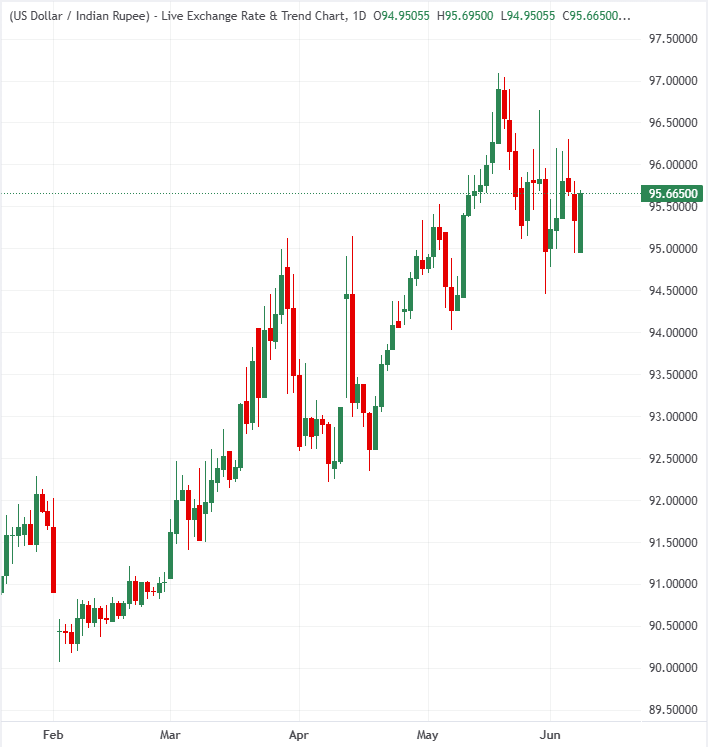
Strategists at Commerzbank observe that the combined efforts of the RBI and the government successfully lowered the USD/INR exchange rate following the policy announcement. By expanding the Fully Accessible Route for long-term bonds and slashing taxes for international buyers, authorities have prioritized policy flexibility while remaining data-dependent to curb emerging price pressures.
RBI appears comfortable remaining on hold for now, but rising inflation risks suggest the next move is more likely to be a hike than a cut. We continue to expect the RBI to raise rates by 25bp before year-end, possibly in October.
Banks anticipate a supportive near-term consolidation phase for the Rupee
These banks anticipate a supportive near-term trend for the Indian Rupee. OCBC and Commerzbank agree that the newly introduced capital flow and tax exemption packages will offer a vital floor for the currency, successfully anchoring the INR against immediate external uncertainties and attracting sustainable foreign capital.
However, both institutions indicate that this near-term stability is backstopped by an expectation of interest rate hikes later in the year, ranging from a 25-to-50-basis-point increase, as policymakers act to buffer the Rupee against escalating global energy costs.
(This article was created with the help of an Artificial Intelligence tool and reviewed by an editor.)
Author

FXStreet Insights Team
FXStreet
The FXStreet Insights Team is a group of journalists that handpicks selected market observations published by renowned experts. The content includes notes by commercial as well as additional insights by internal and external analysts.