Euro struggles near 1.1600 amid firm USD; looks to Eurozone HICP for some impetus
- EUR/USD attracts some sellers on Tuesday as rising Fed rate hike bets help revive USD demand.
- Escalating US-Iran tensions further benefit the safe-haven buck and exert pressure on the pair.
- Traders now look to the Eurozone HICP report for a fresh impetus ahead of the US macro data.
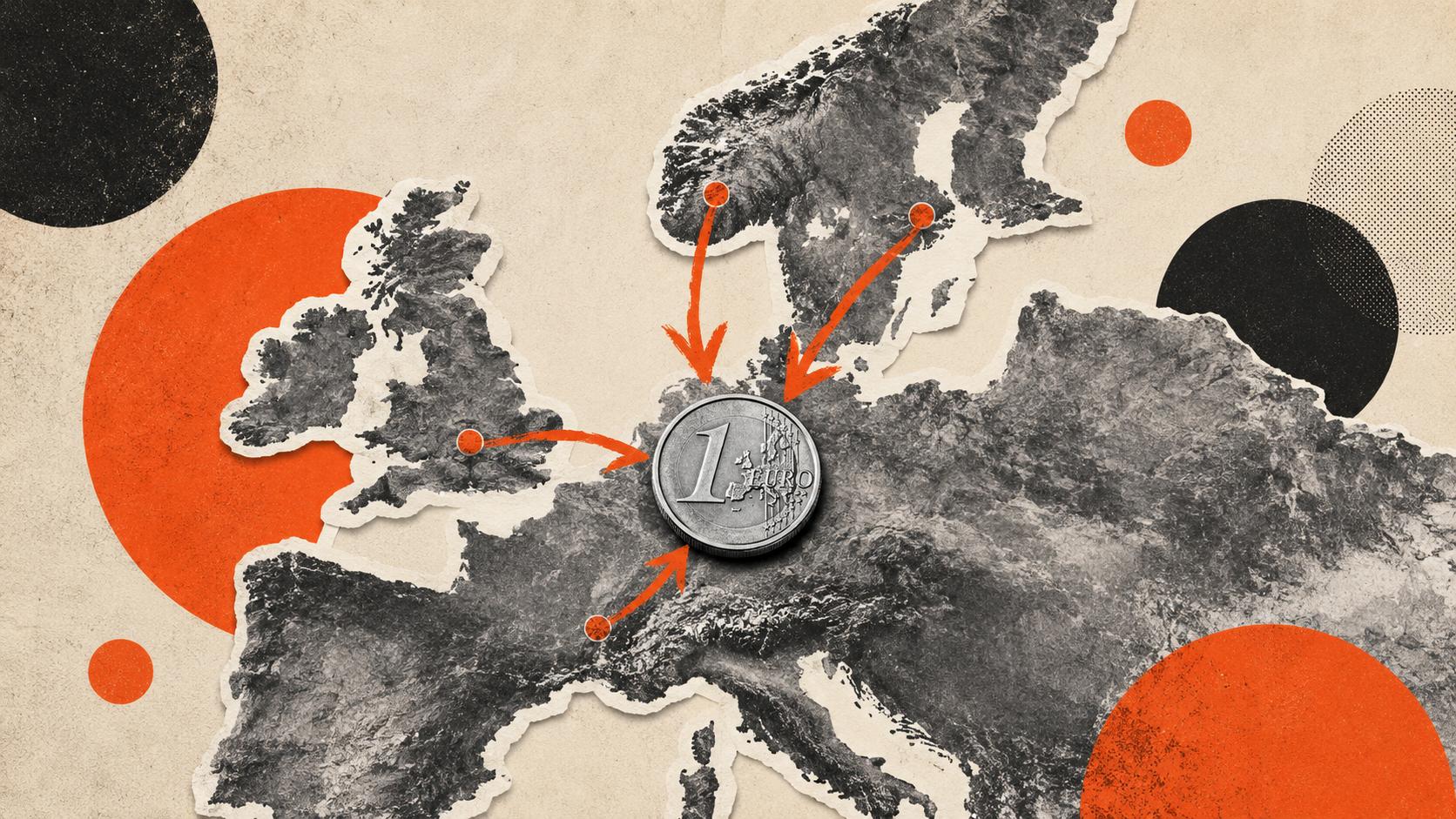
The EUR/USD pair struggles to capitalize on the overnight bounce from the 100-day Simple Moving Average (SMA), near the 1.1575-1.1580 region, or a one-and-a-half-week low, and drifts lower during the Asian session on Tuesday. Spot prices currently trade around the 1.1600 mark, down nearly 0.10% for the day, amid modest US Dollar (USD) strength as traders now look to the preliminary reading of the Eurozone Harmonized Index of Consumer Prices (HICP).
Economists expect Eurozone inflation to move higher in August amid elevated energy prices, making a September rate increase by the European Central Bank (ECB) all but certain. The expectations were lifted by the German Consumer Price Index (CPI) inflation data, which rose to 2.9% YoY in August from 2.8% in the previous month. Moreover, ECB executive board member Isabel Schnabel has made a clear case for another rate increase, suggesting that the immediate market reaction to the report is more likely to be muted.
Later during the North American session, traders will take cues from the US economic docket – featuring the ISM Manufacturing PMI and JOLTS Job Openings data. In the meantime, US Federal Reserve (Fed) Chair Kevin Warsh's comments last Friday lifted market bets for an imminent interest rate hike, which, along with geopolitical uncertainties, help revive demand for the safe-haven USD following the previous day's modest decline. This, in turn, is seen as a key factor exerting some downward pressure on the EUR/USD pair.
However, USD bulls might refrain from placing aggressive bets and opt to wait for the crucial US monthly employment details, popularly known as the Nonfarm Payrolls (NFP) report on Friday. Nevertheless, the fundamental backdrop might continue to act as a tailwind for the Greenback, suggesting that any intraday move up in the EUR/USD pair is more likely to be sold into.
EUR/USD daily chart
Technical Analysis
Against the backdrop of the recent failure to find acceptance above the 50% Fibonacci retracement level of the January-June fall, a break below the 100-day Simple Moving Average (SMA) will be seen as a key trigger for EUR/USD bears. Spot prices might then decline to the 23.6% Fibo. retracement at 1.1501. A deeper slide would expose the broader structural floor at the Fibonacci cycle low near 1.1323.
On the topside, the 38.2% Fibo. retracement at 1.1611 is acting as immediate overhead resistance. A daily close above the said barrier would be needed to ease immediate downside pressure and open the way toward the 1.1700 and 1.1789 retracement barriers.
(The technical analysis of this story was written with the help of an AI tool. Know more.)
Economic Indicator
Core Harmonized Index of Consumer Prices (YoY)
The Core Harmonized Index of Consumer Prices (HICP) measures changes in the prices of a representative basket of goods and services in the European Monetary Union. The HICP, – released by Eurostat on a monthly basis, is harmonized because the same methodology is used across all member states and their contribution is weighted. The YoY reading compares prices in the reference month to a year earlier. Core HICP excludes volatile components like food, energy, alcohol, and tobacco. The Core HICP is a key indicator to measure inflation and changes in purchasing trends. Generally, a high reading is seen as bullish for the Euro (EUR), while a low reading is seen as bearish.
Read more.Next release: Tue Sep 01, 2026 09:00 (Prel)
Frequency: Monthly
Consensus: 2.5%
Previous: 2.5%
Source: Eurostat
Author

Haresh Menghani
FXStreet
Haresh Menghani is a detail-oriented professional with 10+ years of extensive experience in analysing the global financial markets.

















