ECB’s Lagarde: “No evidence yet” of inflation de-anchoring that would warrant stronger ECB action
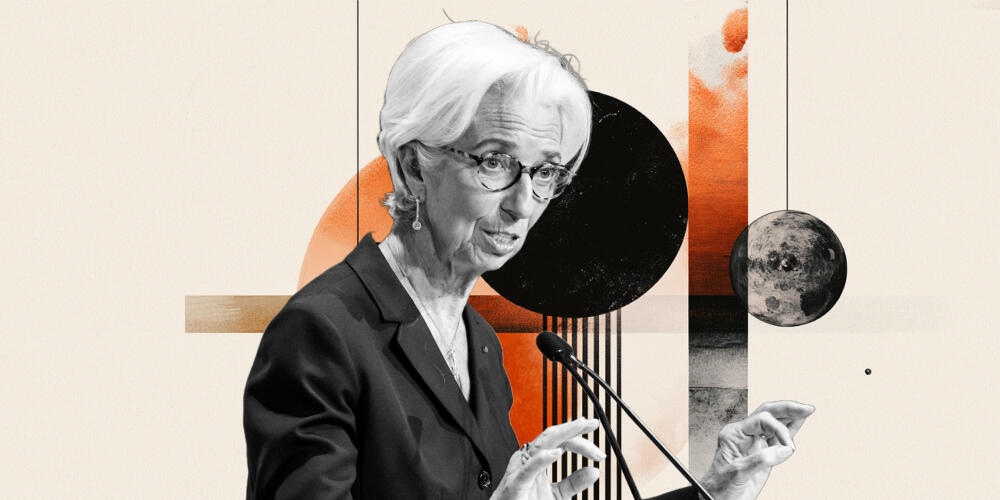
European Central Bank (ECB) President Christine Lagarde said on Monday that policymakers are not yet seeing signs that the latest inflation shock requires a more aggressive policy response, even as geopolitical tensions add fresh uncertainty to the Eurozone outlook. Speaking before a European Parliament committee hearing on June 22, Lagarde said there was “no evidence yet of de-anchoring or second-round effects” that would justify a more forceful monetary policy stance.
Key takeaways:
No evidence yet of de-anchoring or second-round effects warranting more forceful policy action.
The ECB remains confident that, with appropriate monetary policy action, inflation will return to target.
The Iran war is weighing on activity, while data points to a slowdown, especially in services.
The outlook remains uncertain, with upside risks for inflation and downside risks for economic growth.
The current inflation shock appears to be smaller in magnitude than the previous one.”
Lagarde downplays inflation risks, leaving Euro bulls cautious
The FXS Speech Tracker score of 4.6/10, below Lagarde’s historic 6/10 average, signals a mildly dovish tilt as the speech stresses no evidence of de-anchoring or second-round effects that would justify more forceful tightening. Emphasis on the fact that current inflation shocks are smaller than in the previous episode, and confidence that inflation will return to target with “appropriate” policy action, point to a preference for a gradual, data-dependent stance rather than aggressive hikes. This makes it a modest negative for the Euro.
At the same time, Lagarde highlights the war in Iran weighing on activity, a slowdown in services, and an outlook marked by upside risks to inflation and downside risks to growth, underscoring a potentially stagflationary backdrop. This mix of softer growth and still-uncertain inflation keeps the ECB in a cautious wait-and-see mode, limiting immediate Euro upside while preventing a fully dovish re-pricing as markets weigh the risk of renewed price pressure.
Author

Agustin Wazne
FXStreet
Agustin Wazne joined FXStreet as a Junior News Editor, focusing on Commodities and covering Majors.














