|

China: US talks, yuan push and geopolitics – Rabobank
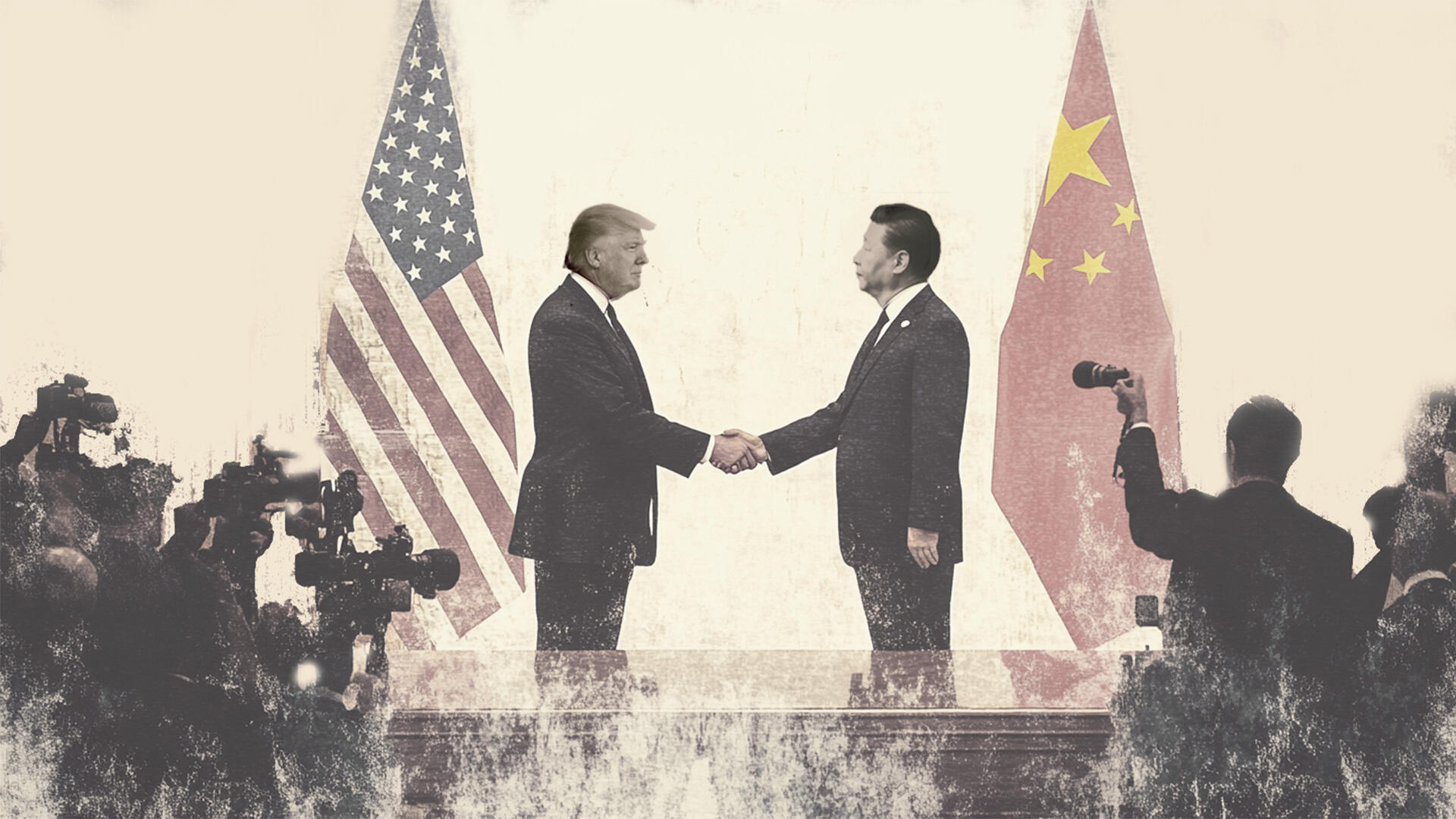
Rabobank's Global Strategist Michael Every outlines China’s central role in current geopolitical and financial dynamics. Every covers Trump’s visit to Beijing and potential outcomes from US-China talks, questions over a possible Grand Bargain, and China’s leverage over Iran. It also notes Euroclear’s consideration of China onshore bonds and Beijing’s efforts to promote yuan internationalisation.

US-China talks and yuan strategy

"In Eastenders, Trump, with a billionaire CEO entourage, is meeting Xi after posting in Air Force One that he will be asking him “to ‘open up’ China so that these brilliant people can work their magic, and help bring the People’s Republic to an even higher level!”"

"Indeed, as some talk of UK Labour going back to the 1970s, the US language is also of Nixon–Mao 2.0, albeit from a very different starting point."

"Everybody gets how important these talks are, but few consider the full US *and* Chinese contexts, and many takes are coloured by what they think of Trump."

"We will have to wait and see if we get a Grand Bargain that reshapes geopolitics and geoeconomics – and, yes, imbalances; smaller agreement on tariffs, tech (as the Netherlands protests a US proposal to further bar chip giant ASML from the China market), and even Taiwan; a de minimis Farce Two Trade Deal can-kicking exercise, or a Great Escalation."

"On which note, some media suggest China might be prepared to put pressure on Tehran, yet the New York Times reports that Chinese firms are plotting arms sales to it."

(This article was created with the help of an Artificial Intelligence tool and reviewed by an editor.)

Author

FXStreet Insights Team

The FXStreet Insights Team is a group of journalists that handpicks selected market observations published by renowned experts. The content includes notes by commercial as well as additional insights by internal and external analysts.


More from FXStreet Insights Team
Share:

Editor's Picks

AUD/USD keeps range near 0.6950 after Australian trade data

AUD/USD consolidates near a two-month low, trading around mid-0.6900s in the Asian session on Thursday amid a bullish US Dollar. The US PCE data tempered October Fed hike bets, though oil-driven inflation fears remain supportive of elevated US bond yields. Meanwhile, Australia's trade surplus shrank sharply in August to AUD495M, having limited impact on the Aussie Dollar and the pair.


USD/JPY sits at weekly top above 158.00 as bullish USD counters intervention risks

USD/JPY is sitting at the top end of its weekly range above 158.00 in the Asian session on Thursday. Despite the softer US PCE data, oil-driven inflation risks keep US bond yields elevated near multi-year highs. Moreover, the US-Iran standoff benefits the safe-haven US Dollar and supports the pair. Broad US Dollar strength counters hawkish BoJ expectations and Japanese intervention risks.

Gold alternates gains with losses below $4,200

Gold trades without a clear direction on Thursday, always below the key $4,200 mark per troy ounce. The yellow metal’s vacillating price action comes amid the marked advance in the US Dollar coupled with steady effervescence in the Middle East conflict.

Crypto Today: Bitcoin, Ethereum, XRP struggle to regain momentum amid returning ETF outflows

Bitcoin trades broadly between support at $82,500 and resistance at $85,000. Ethereum similarly remains under pressure, trading below $2,700 while the $2,600 level provides immediate support. At the same time, Ripple has slipped below the pivotal $1.50 level.

Markets are pricing a Fed pause. The jobs data says the hike is still coming

The market has rapidly changed its mind about the Fed. Only a week ago, investors saw an October interest-rate hike as the most likely outcome. However, softer inflation and cautious comments from policymakers have since turned a pause into the dominant scenario.

Markets are pricing a Fed pause. The jobs data says the hike is still coming
The market has rapidly changed its mind about the Federal Reserve (Fed). Only a week ago, investors saw an October interest-rate hike as the most likely outcome. However, softer inflation and cautious comments from policymakers have since turned a pause into the dominant scenario. Yet beneath that dramatic repricing, the US economy is sending a considerably less dovish message.