Canadian Dollar holds close to one-month high ahead of BoC decision
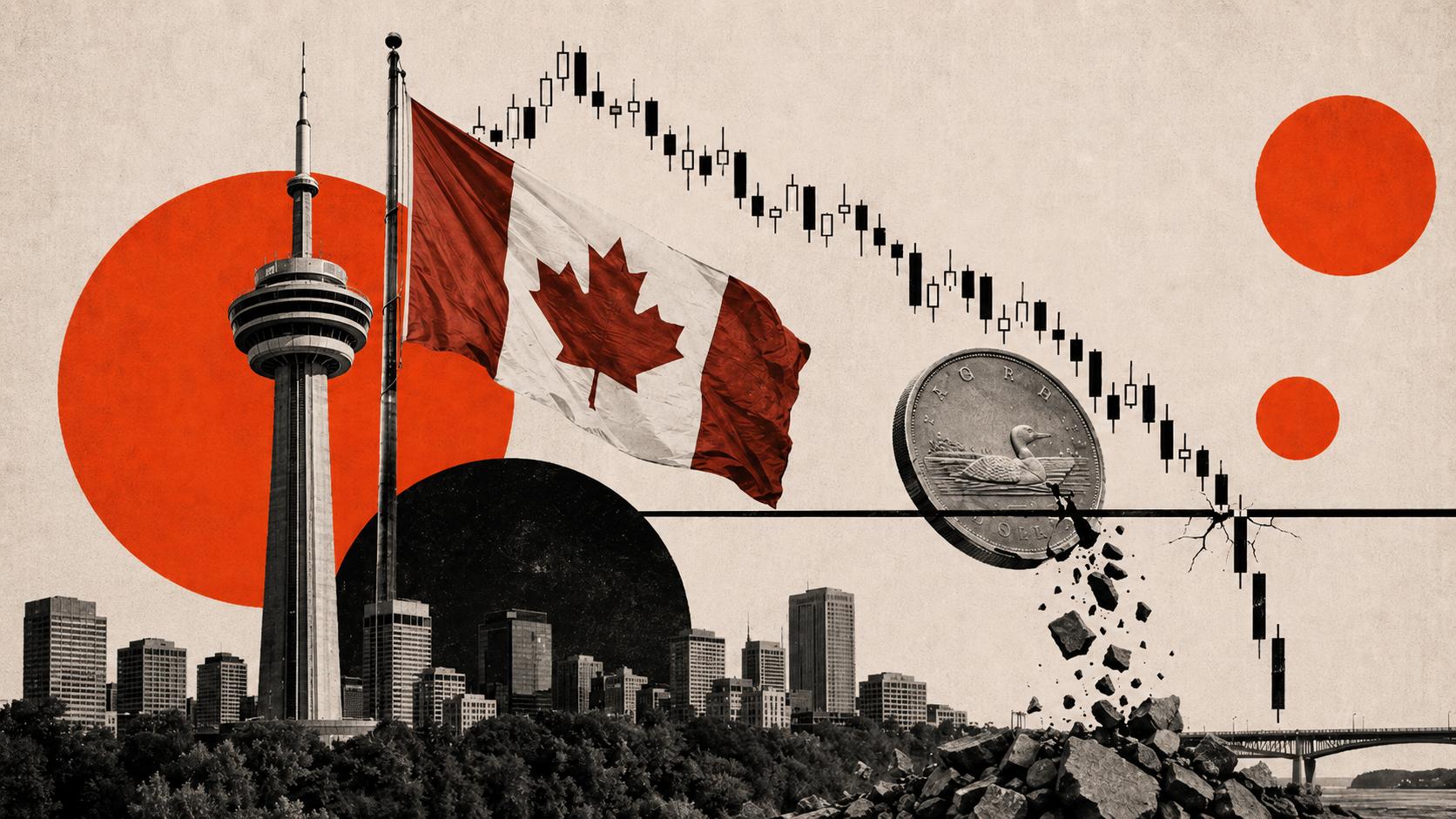
The Canadian Dollar (CAD) is facing an upward correction, with the USD/CAD currency pair sliding below the critical 1.4100 mark. This retreat comes after lower-than-expected US CPI data and as the Bank of Canada (BoC) is widely anticipated to hold its policy rate steady at 2.25% for the sixth consecutive meeting.
Beneath the surface of this rate pause lies a quite resilient domestic economy, emerging geopolitical triggers in the Middle East, and shifting technical dynamics that could soon test key support levels for the pair.
Economic resilience keeps a year-end rate hike on the table
Analysts at Societe Generale expect the Bank of Canada (BoC) to keep rates on hold on Wednesday after recent data showed the country’s economic outlook has strengthened notably.
The Canadian economy rebounded in April and labor market conditions have improved. While falling gasoline prices may pull headline inflation below 3.0%, core measures remain anchored near the BoC’s 2.0% target. This combination of growth and still-high core inflation keeps the door open for further tightening.
Labor market conditions have improved of late, reflected in the decline of the unemployment rate by 0.4pp since April to 6.5% in June, the lower end of the BoC forecast range. Market pricing suggests a 25bp hike before year-end cannot be dismissed.
Oil, geopolitics, and USMCA trade risks dictate CAD momentum
External forces are heavily influencing the Canadian Dollar. ING highlights that while the BoC's Business Outlook Survey showed elevated inflation expectations, those surveys were conducted in May, prior to the reopening of the crucial Strait of Hormuz.
Recent re-escalations in the Middle East and higher Oil prices have provided a natural buffer for the Oil-sensitive Loonie. However, any structural upside for the Canadian currency remains capped by lingering trade concerns surrounding the United States-Mexico-Canada Agreement (USMCA).
We expect few changes in the policy tone by the BoC at this meeting, leaving CAD front-end rates primarily driven by developments in the Gulf. CAD should enjoy more short-term momentum if oil prices stay supported and the BoC doesn’t surprise on the dovish side.
Technical levels: Can USD/CAD break below 1.4000?
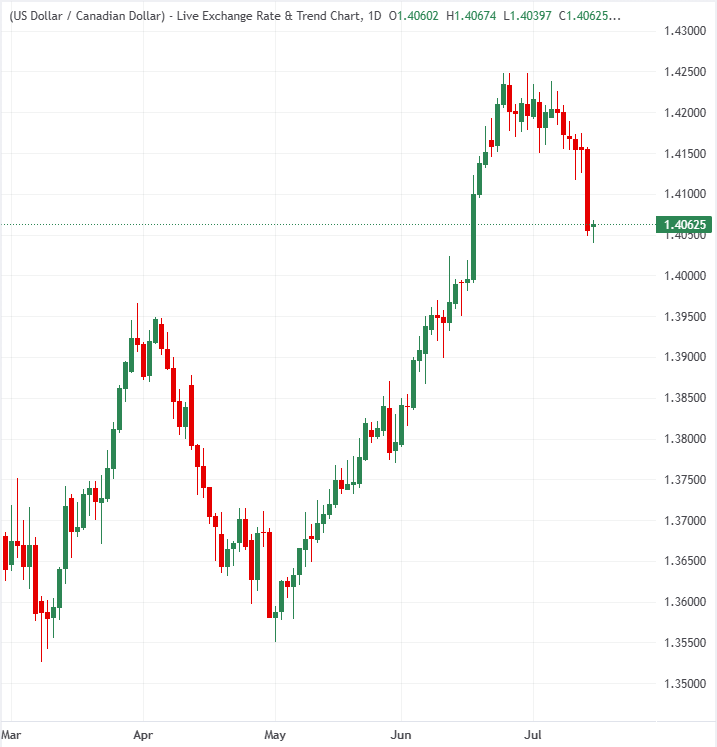
From a technical perspective, USD/CAD’s failure to consolidate above its previous range boundary of 1.4130 has triggered a breakdown. Societe Generale notes that gains were capped near interim resistance at 1.4250, leaving the pair vulnerable to further short-covering.
The immediate downside target is the 50-day moving average hovering near 1.3970, followed by stronger support at 1.3850. However, ING cautions that clearing the psychologically significant 1.4000 level permanently will require clear, dovish policy signals from the US Federal Reserve.
Banks anticipate tight trading range with downward bias
The banks project a near-term consolidation for the USD/CAD pair with a mild downward bias, targeting the 1.3970-1.4000 support corridor. Societe Generale expects the current technical pullback to extend lower in the absence of a bullish US PPI inflation surprise.
Meanwhile, ING maintains that while strong Oil prices and a hawkish-leaning BoC pause will keep the Canadian Dollar structurally supported, trade-related USMCA headwinds and a resilient US Dollar will prevent the pair from embarking on a deeper, sustained decline below 1.4000.
(This article was created with the help of an Artificial Intelligence tool and reviewed by an editor. Know more.)
Author

FXStreet Insights Team
FXStreet
The FXStreet Insights Team is a group of journalists that handpicks selected market observations published by renowned experts. The content includes notes by commercial as well as additional insights by internal and external analysts.

















