|

BoC's Macklem: We are looking for continued easing of inflation to 2%

Bank of Canada (BoC) Governor Tiff Macklem noted early Tuesday that the BoC will continue to carefully watch consumer conditions in Canada, reiterating that the BoC's timing and pace of rate cuts will be dependent on data.

Key highlights

With continued progress we've seen on inflation, it is reasonable to expect further cuts in our policy rate.

We will also be looking for continued easing in core inflation, which is still a little above 2%.

Bank of Canada is pleased to see inflation at 2%, now we need to stick the landing.

The timing and pace will be determined by incoming data and our assessment of what those data mean for future inflation.

The bank is scaling down work on retail central bank digital currency, shifting focus to broader payments system research and policy development.

There is a notable increase in financial stress among borrowers without a mortgage, mainly renters.

We will be closely watching consumer spending, as well as business hiring and investment.

I am concerned by the rising share of borrowers without a mortgage who carry a credit card balance of at least 90% of their credit limit.

Author

Joshua Gibson

Joshua joins the FXStreet team as an Economics and Finance double major from Vancouver Island University with twelve years' experience as an independent trader focusing on technical analysis.


More from Joshua Gibson
Share:

Editor's Picks

AUD/USD climbs toward 0.7000 after strong China data dump

AUD/USD attracts follow-through buyers for the second straight day on Monday, extending last week's recovery toward 0.7000 in Monday's Asian trading. Strong Chniese Q3 GDP and activity data for September strengthen the pair's advance, following RBA Assistant Governor Chris Kent's hawkish remarks.

USD/JPY struggles near 158.00 amid hawkish BoJ, subdued USD

USD/JPY remains defensive near 158.00 in the Asian session on Monday, as the US Dollar remains depressed near a two-week low amid the recent decline in US bond yields. Furthermore, looming intervention risks underpin the Japanese Yen and weigh on the pair amid BoJ Governor Kazuo Ueda's hawkish remarks. However, Fed rate-hike bets and geopolitical uncertainties could limit USD losses and the major.

Gold bulls hesitant below $4,200 as Fed risks and firmer USD cap intraday gains

Gold struggles to capitalize on modest intraday gains and remains below the $4,200 mark, well within a three-week-old trading range. US Federal Reserve Chair Kevin Warsh’s unwillingness to offer fresh cues on further policy moves forced investors to price out the possibility of policy tightening later this month. Moreover, the recent sharp pullback in US government bond yields from multi-year highs, which dragged the US Dollar to a two-week low on Friday, acts as a tailwind for bullion.

Pi Network: Weak momentum and waning demand reinforce downside bias

Pi Network edges lower, risking a bearish conclusion to its short-term consolidation above the $0.0774 horizontal support. A steady decline in the notional value of active PI futures contracts and the weekly spot trading volume suggests reduced retail demand. The PI token risks a retest of its record low around $0.0704 as bearish momentum remains dominant on the daily chart.

Canada CPI expected to show a pick-up in inflation in September

Canada’s September CPI figures will be the focus of attention on Monday. Indeed, Statistics Canada data will provide markets with an update on price pressures ahead of the BoC’s October 28 gathering, when officials are expected to keep the interest rate steady at 2.25%, broadly in line with analyst consensus.

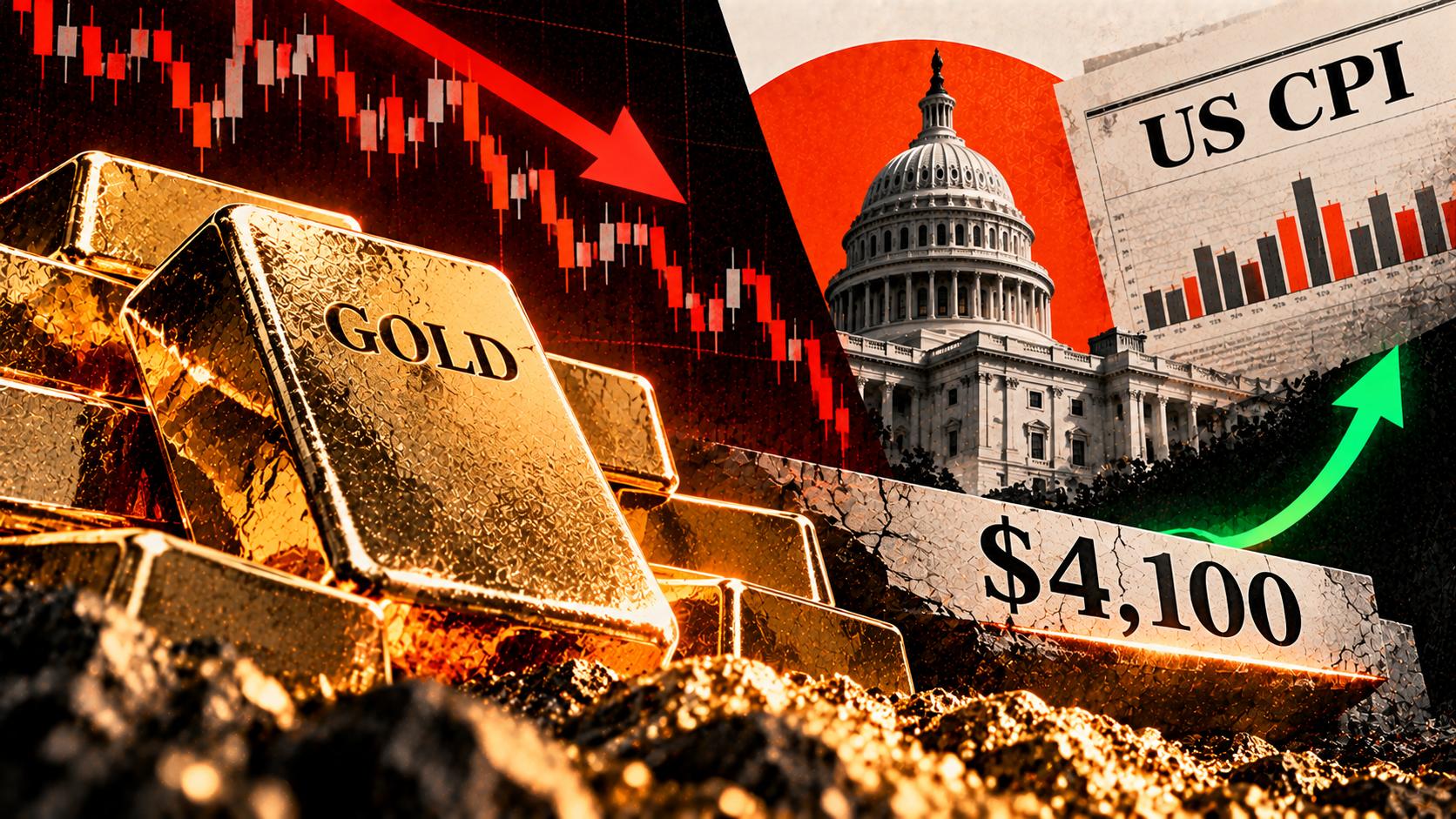
Everyone's dumping Gold after hot US inflation. Here's why $4,100 could be a floor, not a cliff
Gold (XAU/USD) is recovering from a sharp sell-off triggered by hotter-than-expected United States (US) inflation data released on Wednesday. The precious metal briefly plunged toward $4,073 as investors increased their bets on further Federal Reserve (Fed) interest rate hikes before recovering as US Treasury yields and the US Dollar (USD) reversed their initial gains.