1.1111: Why the Euro's next key support is in view as France's budget crisis deepens


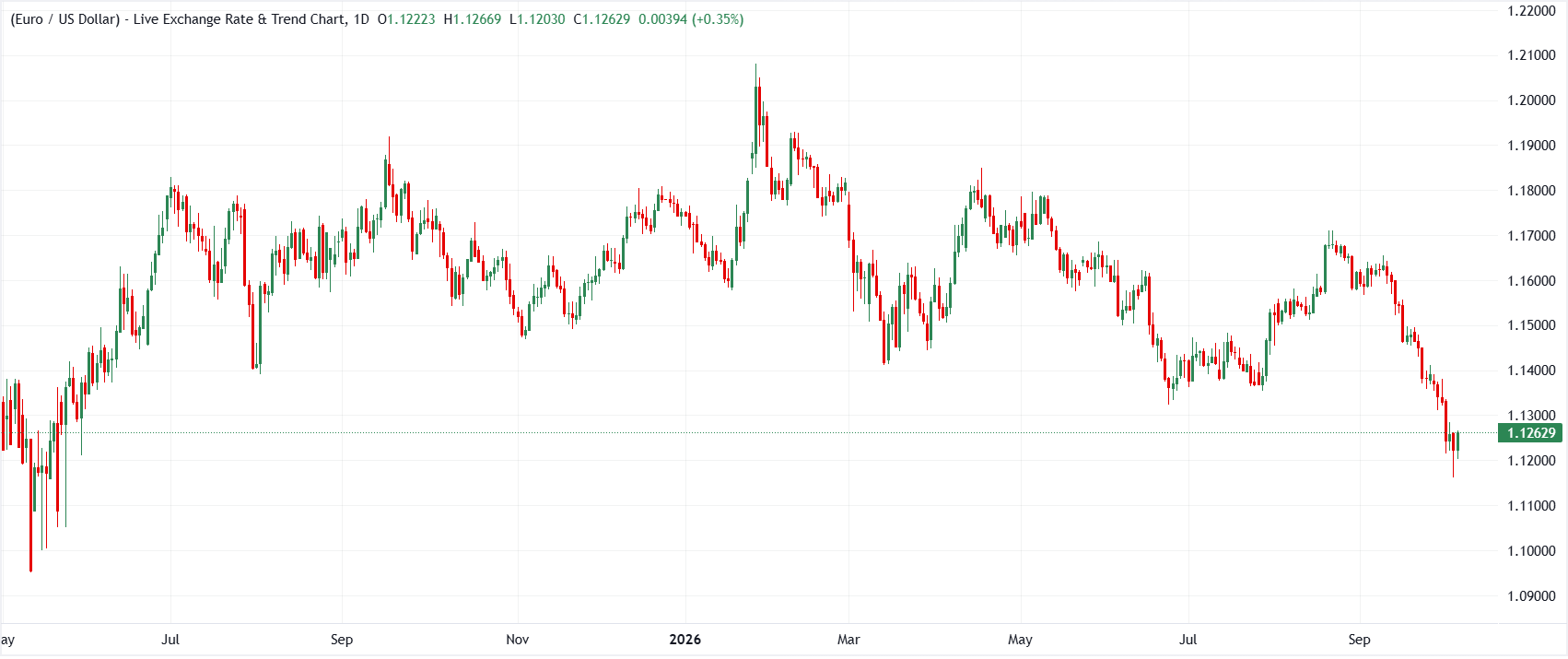
EUR/USD has slipped to fresh 17-month lows near 1.1160, weighed down by escalating political and fiscal uncertainties across the Eurozone. While Spain’s call for a snap election on November 29 introduces near-term political noise, market attention remains heavily concentrated on France’s deepening budget crisis and its spillover into broader European sovereign bond markets. With widening yield spreads against German Bunds tightening Euro area financial conditions and complicating potential European Central Bank (ECB) intervention, the US Dollar (USD) continues to capitalize on relative stability and yield backing. Institutional strategists are evaluating whether technical support near 1.1200 and 1.1111 can hold or if European fiscal contagion will push EUR/USD toward deeper downside targets.
French bond contagion overshadows Spanish snap election risks
Lee Hardman at MUFG emphasizes that while Spanish Prime Minister Pedro Sanchez’s call for a November 29 snap election adds near-term political headlines, the primary threat to EUR/USD stems from the French government bond market sell-off. Contagion across Eurozone debt markets remains the main driver of Euro (EUR) performance into year-end.
"The latest opinion polls have been indicating that the centre-right People’s Party are well positioned to become the biggest party after the election although would require support from other parties without a majority... While the snap election adds to political uncertainty in the euro-zone in the near-term, we do not expect the outcome to materially add to downside risks for the euro... The performance of the euro heading into year-end will depend more on the fallout from the French government bond market sell-off including evidence of contagion and how policymakers react with risks currently skewed towards further weakness."
Slowing downward momentum leaves scope to test 1.1145
Quek Ser Leang and Lee Sue Ann at UOB track the technical breakdown in EUR/USD, noting that while the pair touched a low of 1.1160 before recovering toward 1.1220, the broader 1-to-3 week trend remains negative. Unless spot prices reclaim key resistance at 1.1285, the currency pair remains vulnerable to testing further support at 1.1145.
"Yesterday, EUR broke below 1.1180, touching a low of 1.1160 before rebounding. Downward momentum is showing early signs of slowing, but only a breach of 1.1285 (‘strong resistance’ level previously at 1.1315) would indicate that the decline is stabilising. Until then, there is a chance for EUR to test 1.1145 next."
French budget crisis and ECB constraints risk deeper sell-off toward 1.1111
Elias Haddad at Brown Brothers Harriman (BBH) highlights that France's fiscal crisis is spreading to other Eurozone sovereign bond markets, driving yield spreads wider and tightening financial conditions. With France's fiscal trajectory complicating the activation of the ECB's Transmission Protection Instrument (TPI), the Euro faces combined headwinds from fiscal distress and expectations of a shallower ECB policy path, putting key support at 1.1111 in view.
"France’s budget crisis is spilling into other Eurozone sovereign bond markets, widening yield spreads to Germany... The ECB’s Transmission Protection Instrument (TPI) provides a backstop against disorderly spread widening, but activation is contingent on EU member state pursuing “sound and sustainable fiscal and macroeconomic policies.”... Meanwhile, ECB Chief Economist Philip Lane highlighted the “increase in long-term interest rates constitutes a material tightening of financial conditions... Immediate support levels for EUR/USD are offered at 1.1200... and 1.1111..."
The Takeaway
The Euro's descent to 17-month lows against the US Dollar reflects deep-seated fiscal vulnerabilities in core Eurozone bond markets that outweigh localized political noise like Spain's snap election. While UOB cautions that downside momentum may be slowing near-term within a 1.1180–1.1255 range, MUFG and BBH warn that widening French sovereign yield spreads and legal constraints on ECB intervention could force a shallower European tightening path, leaving EUR/USD exposed to further downside tests toward 1.1145 and 1.1111.
(This article was created with the help of an Artificial Intelligence tool and reviewed by an editor. Know more.)
Author
FXStreet Insights Team
FXStreet
The FXStreet Insights Team is a group of journalists that handpicks selected market observations published by renowned experts. The content includes notes by commercial as well as additional insights by internal and external analysts.