Euro remains on defensive below 1.1200 as USD stabilizes ahead of US midterm elections
- EUR/USD bulls remain on the back foot as the USD draws support from Monday’s upbeat data.
- Fed hike bets also underpin the buck, while France’s debt crisis contributes to capping the Euro.
- The US midterm election results could infuse some volatility ahead of important macro releases.

The EUR/USD pair trades with a mild negative bias during the Asian session on Tuesday, looking to extend the previous day's modest pullback from the 1.1235 area, or a one-and-a-half-week top. Spot prices currently trade just below the 1.1200 mark, though the downtick lacks follow-through as traders seem hesitant ahead of the US midterm elections.
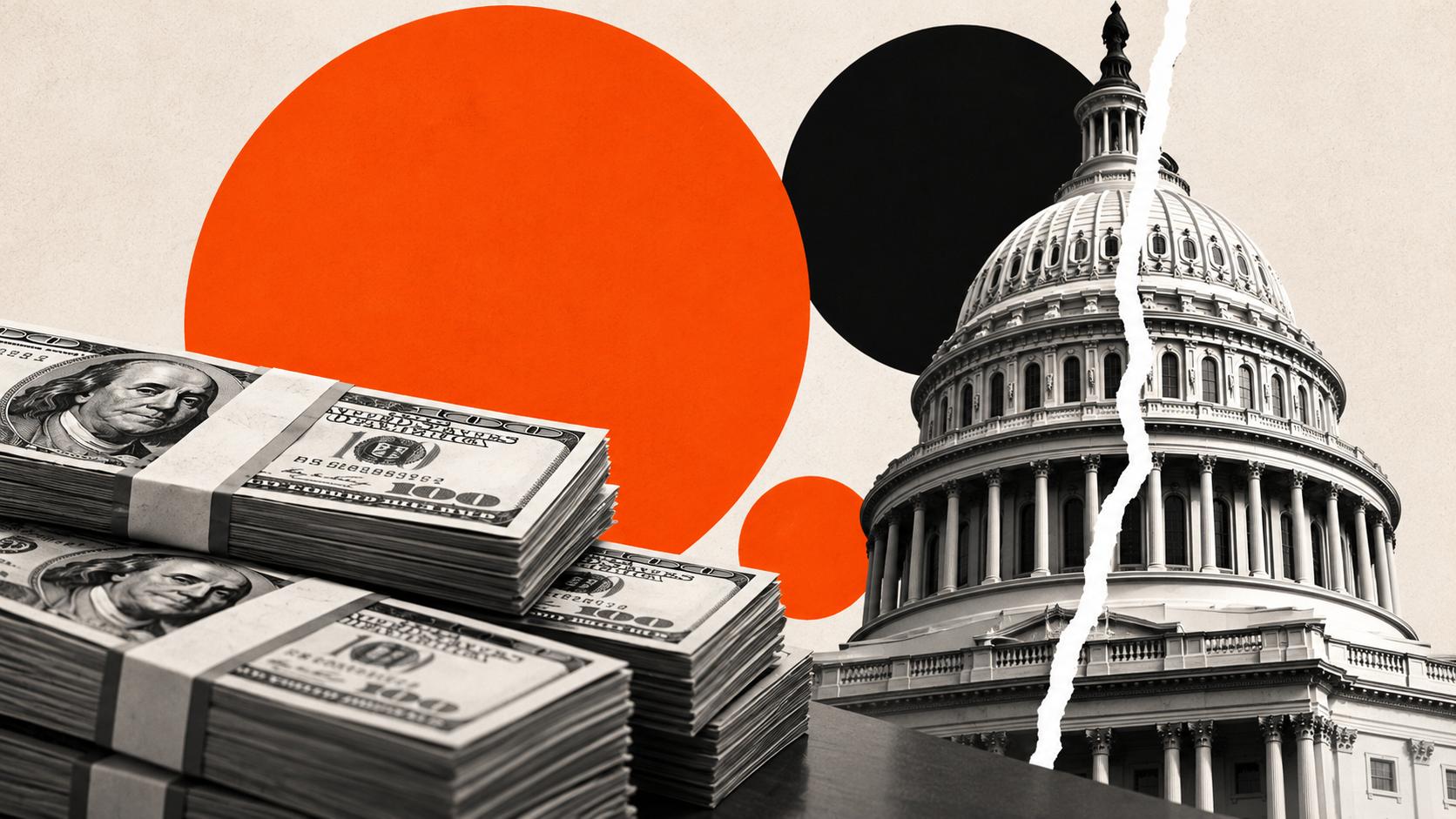
Prediction markets strongly favor Democrats winning the House, and a Republican sweep would be a larger market surprise, which could lift US Treasury yields and the US Dollar (USD). Nevertheless, the election results may infuse some short-term volatility and provide some impetus to the EUR/USD pair. In the meantime, Monday's better-than-expected US macro data, along with hawkish US Federal Reserve (Fed) bets, seems to act as a tailwind for the buck.
The Institute for Supply Management's (ISM) Manufacturing PMI rose from 54.5 in the previous month to 55.5 in October 2026, marking the 10th straight month of expansion. Furthermore, the CME Group's FedWatch Tool indicates that traders are pricing in over a 70% chance that the US central bank will raise borrowing costs in December. This, in turn, acts as a tailwind for the USD, though hopes for Iran diplomacy might cap gains and support the EUR/USD pair.
In fact, US President Donald Trump said on Monday Iran wants to make a deal to end the war and that such an agreement could happen. Adding to this, Iranian Foreign Minister Abbas Araqchi said that consultations through mediators were very intensive. However, several days of negotiations between Iranian officials and Qatari mediators failed to make a major breakthrough despite revised proposals, which keeps the geopolitical risk premium in play.
This might hold back trades from placing aggressive bearish bets on the USD, which, along with concerns about France’s deepening debt levels and political gridlock, should contribute to capping the EUR/USD pair. Traders now look forward to the release of US JOLTS Job Openings for some impetus ahead of the flash Eurozone CPI report and the US ISM Services PMI on Wednesday. The focus, however, will remain on the US Nonfarm Payrolls (NFP) report on Friday.
EUR/USD 4-hour chart
Technical Analysis
Against the backdrop of a decline from the August monthly swing high, the recent range-bound price action witnessed over the past month or so could be categorized as a bearish consolidation phase. Moreover, the EUR/USD pair holds beneath the 200-period Simple Moving Average (SMA) on the 4-hour chart, keeping a near-term negative tone.
That said, a convincing break below the trading range support, near the 1.1100 round figure, is needed to reaffirm the bearish outlook and set the stage for deeper losses. On the topside, immediate resistance is located at the 200-period SMA at 1.1267. Bulls would need to reclaim the said barrier to alleviate downside pressure and open the door to a more constructive bias.
(The technical analysis of this story was written with the help of an AI tool. Know more.)
Euro FAQs
The Euro is the currency for the 20 European Union countries that belong to the Eurozone. It is the second most heavily traded currency in the world behind the US Dollar. In 2022, it accounted for 31% of all foreign exchange transactions, with an average daily turnover of over $2.2 trillion a day. EUR/USD is the most heavily traded currency pair in the world, accounting for an estimated 30% off all transactions, followed by EUR/JPY (4%), EUR/GBP (3%) and EUR/AUD (2%).
The European Central Bank (ECB) in Frankfurt, Germany, is the reserve bank for the Eurozone. The ECB sets interest rates and manages monetary policy. The ECB’s primary mandate is to maintain price stability, which means either controlling inflation or stimulating growth. Its primary tool is the raising or lowering of interest rates. Relatively high interest rates – or the expectation of higher rates – will usually benefit the Euro and vice versa. The ECB Governing Council makes monetary policy decisions at meetings held eight times a year. Decisions are made by heads of the Eurozone national banks and six permanent members, including the President of the ECB, Christine Lagarde.
Eurozone inflation data, measured by the Harmonized Index of Consumer Prices (HICP), is an important econometric for the Euro. If inflation rises more than expected, especially if above the ECB’s 2% target, it obliges the ECB to raise interest rates to bring it back under control. Relatively high interest rates compared to its counterparts will usually benefit the Euro, as it makes the region more attractive as a place for global investors to park their money.
Data releases gauge the health of the economy and can impact on the Euro. Indicators such as GDP, Manufacturing and Services PMIs, employment, and consumer sentiment surveys can all influence the direction of the single currency. A strong economy is good for the Euro. Not only does it attract more foreign investment but it may encourage the ECB to put up interest rates, which will directly strengthen the Euro. Otherwise, if economic data is weak, the Euro is likely to fall. Economic data for the four largest economies in the euro area (Germany, France, Italy and Spain) are especially significant, as they account for 75% of the Eurozone’s economy.
Another significant data release for the Euro is the Trade Balance. This indicator measures the difference between what a country earns from its exports and what it spends on imports over a given period. If a country produces highly sought after exports then its currency will gain in value purely from the extra demand created from foreign buyers seeking to purchase these goods. Therefore, a positive net Trade Balance strengthens a currency and vice versa for a negative balance.
Author

Haresh Menghani
FXStreet
Haresh Menghani is a detail-oriented professional with 10+ years of extensive experience in analysing the global financial markets.