The Cicchetti renaissance: How Italy exports trust before the first word of business is spoken
I was out for dinner last week at Frasca, the Michelin-starred restaurant in Boulder, Colorado. This a restaurant that proposes the beautiful cuisine of Friuli-Venezia Giulia. One Michelin star. James Beard Outstanding Restaurant for 2025. The kind of place that someone from Veneto like me would like to find in Colorado.
Before the menu arrived, before I had even sat into my chair, the sommelier greeted me in Italian. "Buona sera e benvenuti. Would you like to start with cicchetti misti?"
I said yes without thinking. The way you say yes to something that already feels right before your brain catches up. And then, I kid you not, I spent the rest of the evening thinking about why that question mattered more than the entire dining experience.
What cicchetti actually are
Cicchetti. Pronounced chi-KET-tee. The word comes from the Latin ciccus: a small quantity. Nothing. A a bite you can eat with one hand. Which is the Italian genius at work: take the smallest possible bite and make it carry centuries of social value.
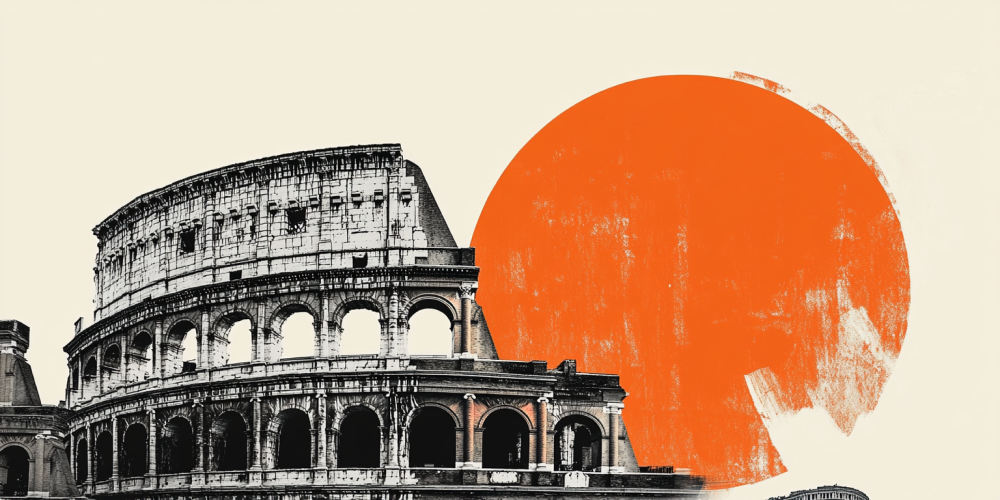
They are small bites served at bacari, the traditional wine bars of Venice, which started back in the 16th century when the Serenissima Republic monopolized the Mediterranean commerce and investments. A crostino with baccalà mantecato, whipped salt cod pressed into toasted bread with olive oil. Sarde in saor, sardines in a sweet-sour marinade of onions, pine nuts, and raisins that traces its origins to the Arab trade routes Venice once commanded. A half-boiled egg with an anchovy. Gorgonzola and walnut on polenta. Small squid. A glass of house wine called an ombra, a shadow, named for the shade the bell tower of San Marco cast over the wine merchants who moved their wine barrels across the piazza to keep them cool.
You point at what you want. You pay almost nothing. You stand at the counter or go outside into the calle to chat with friends or with strangers. When you are ready, you walk to the next bacaro and do it all over again. This way of living is known as the “giro di ombre”, the round of shadows. It is not dining. It is a social ritual that makes life in Venice so special.
The bacaro was built for sailors and merchants who needed to eat fast, build trust fast, and move to the next trade.
A social technology, not a snack category
Venice was the most cosmopolitan city in the world for three centuries. It built its commercial empire on the ability to sit across from someone different, someone from a different religion, a different language, a different empire, and create common ground fast. Cicchetti was the mechanism for doing that at the human scale.
You do not need a reservation. You do not need a menu. You do not need to know what you want before you arrive. You point at what looks good, you share the plate, and the transaction of trust happens before any other transaction begins.
This is what I mean when I say Italian Social Technology. Italy has been building systems for human connection that look informal on the surface and are deeply engineered underneath. The aperitivo. The passeggiata. The Sunday lunch that lasts four hours. The cicchetti counter at 6 in the evening with an ombra in your hand and a gondolier arguing with a professor next to you.
These is the accumulated culture of a civilization that understood something the corporate world is still trying to learn with team-building workshops: trust is not built in board rooms or in artificial team retreats. It is built in the small, unscheduled moments where corporate structure disappears and people simply share something real.
Why Michelin restaurants are paying attention now
What happened at Frasca is not an isolated gesture. Across London, Berlin, New York, and Paris, fine dining restaurants are opening their menus the Venetian way: a small plate in the center of the table before the formality begins. Industry analysts are calling it the Cicchetti Renaissance. Restaurants report that this opening ritual increases wine spend per table, extends the dining experience, and meaningfully improves guest satisfaction.
Frasca arrived at cicchetti not through a trend report but through identity. Their restaurant is named for the frascas of Friuli, the informal farmhouse gathering places identified by a tree branch over the door where farmers and families shared food before fine dining existed. Friuli borders the Veneto. The DNA is the same. Informal generosity before transaction. Warmth before the menu.
When a restaurant built on that philosophy opens your evening with cicchetti misti, they are making a statement: we know what this tradition means and we choose to lead with it.
Italy is not exporting a dish. It is exporting a philosophy about how to open any room.
What it means for Italy's cultural leadership
Italy's food and wine exports exceeded 70 billion euros between 2024 and 2025, a historic record. Demand is growing fastest in the United States and China, the two biggest global. That is appetite for authenticity.
When the world's most commercially driven markets are consuming Italian culture at record rates, the honest question is not what they are buying. It is what they are hungry for. And the answer is connection that feels authentic. Hospitality that does not feel like service but like an experience. The experience of sitting down with someone and having a plate put in the center of the table that says: we are here together before we are here for anything else.
This is the real Made in Italy. Not the leather goods, not the fashion houses, not even the wine, as extraordinary as all of that is. The real Made in Italy is a way of being with other people that has been refined over 500 years and that the world keeps rediscovering, in different cities, different formats, different centuries, and finding it still works.
The cicchetti counter in Cannaregio costs one euro per bite. The philosophy attached to it is worth considerably more.
The answer is always yes
When the sommelier at Frasca asked me if I wanted to start with cicchetti misti, he was asking something deeper than a menu question. He was asking whether I wanted to begin the evening the Italian way: with generosity, without pretense, with something shared between people who are still learning how to be in the room together.
The Cicchetti Renaissance is real. It is showing up in Boulder and London and Berlin because the underlying argument is true: the best way to open any table, any meeting, any relationship, is with a small plate and an open hand.
Italy has always known this. The rest of the world is catching up.
Author

Andrea Zanon
Confidente
Andrea Zanon has 20 years of professional experience as a disaster risk management, sustainability, and entrepreneurship specialist. Mr. Zanon has advised international institutions and countries across the Middle East and North Africa. Mr.