How pooled-liquidity FX models work and why thai AML actions may be targeting the wrong link in the chain


When a business in Cambodia or Myanmar needs to convert U.S. dollars into Thai baht, the transaction rarely travels in a straight line. In most cases, it passes through a regulated, licensed foreign‑exchange operator that maintains a pooled clearing account in Thailand, a single account through which dozens or hundreds of unrelated transfers are settled each day. Industry estimates suggest that 40 to 55 percent of cross‑border funds entering Thailand from neighboring Southeast Asian countries move through these pooled‑liquidity structures.
The model is efficient and widely used because it allows someone in one country to send large sums of money to another country in less time than an international wire using the SWIFT system. Global and Thai anti‑money laundering rules are designed to accommodate this reality by placing primary know‑your‑customer and due‑diligence obligations on the licensed intermediaries that operate pooled accounts, rather than on the end recipients who rely on them. In theory, this framework protects legitimate recipients while still giving regulators powerful tools to detect and disrupt illicit flows.
According to legal experts and financial compliance professionals, however, enforcement in some countries, including Thailand, has not kept pace with how pooled‑liquidity FX actually works. When authorities trace funds backward through a co‑mingled clearing account and treat every downstream recipient as if they were directly linked to any suspicious upstream deposits, they effectively ignore the way the rules are supposed to be applied. The result, they warn, is that innocent businesses and individuals can be swept into aggressive asset‑freeze actions simply because their transactions passed through the same efficient, regulated system that policymakers themselves encouraged.
A $165,000 transfer and a $580 million freeze
The case of Cambodian businessman Yim Leak illustrates how pooled-account tracing can produce outcomes that appear factually wrong as well as disproportionate to the underlying transaction. According to public statements issued by his legal team at Dentons Pisut & Partners, the matter originated with a currency exchange transfer worth approximately $165,000, processed through a licensed operator’s pooled Thai clearing account. Yim Leak’s legal team says he contracted only with the exchange operator and had no visibility into the upstream origins of the pooled funds.
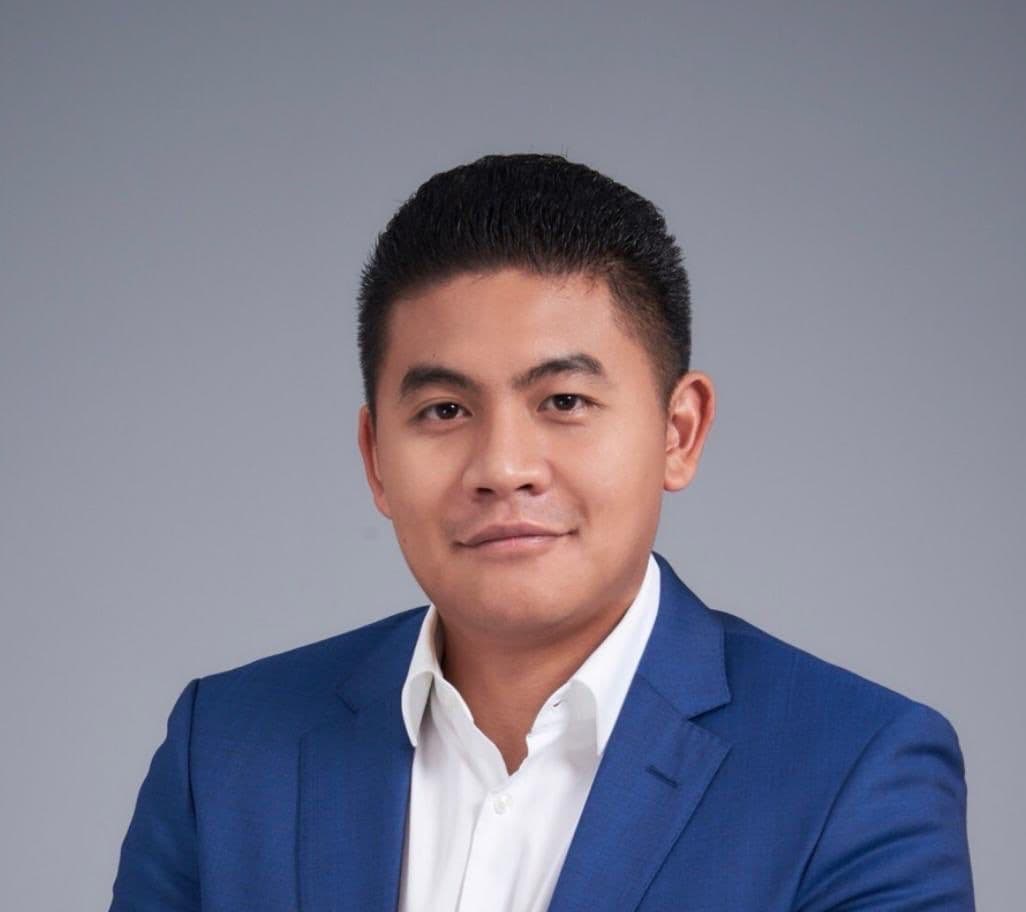
Thailand’s Anti-Money Laundering Office has since frozen more than 20 billion baht (approximately $580 million) in assets connected to Yim Leak, his wife Veereenyah Yim. The latest action, on April 8, added 8.269 billion baht across 34 items on top of a February court-ordered seizure of 12.123 billion baht.
Dentons Pisut has formally denied any business relationship between Yim Leak and the other individuals named in the proceedings. The firm has also pointed to a 2024 AMLO investigation that reviewed virtually the same assets connected to the same family. Following that review, the firm says, AMLO confirmed the assets did not relate to criminal activities and returned them. The current proceedings, the defense argues, represent a reactivation of claims that were previously examined and dismissed.
The debate extends beyond any single case. Legal and compliance professionals say the core issue is whether AML enforcement frameworks in the region have kept pace with the realities of pooled-liquidity settlement. If authorities routinely trace backward through co-mingled accounts and treat every downstream recipient as a suspect, the result is a structural vulnerability that exposes any participant in the FX system, not just those with actual links to illicit activity.
For foreign investors and businesses operating across Southeast Asia’s porous financial borders, the implications are significant. Pooled-account FX settlement is not an exotic mechanism. It is the plumbing through which a substantial share of regional commerce flows. How authorities choose to regulate and enforce around that plumbing will shape the risk environment for cross-border capital in the years ahead.
Author