Yellen Asks Congress for Pro-Growth Policies, Ducks Question on Taxes
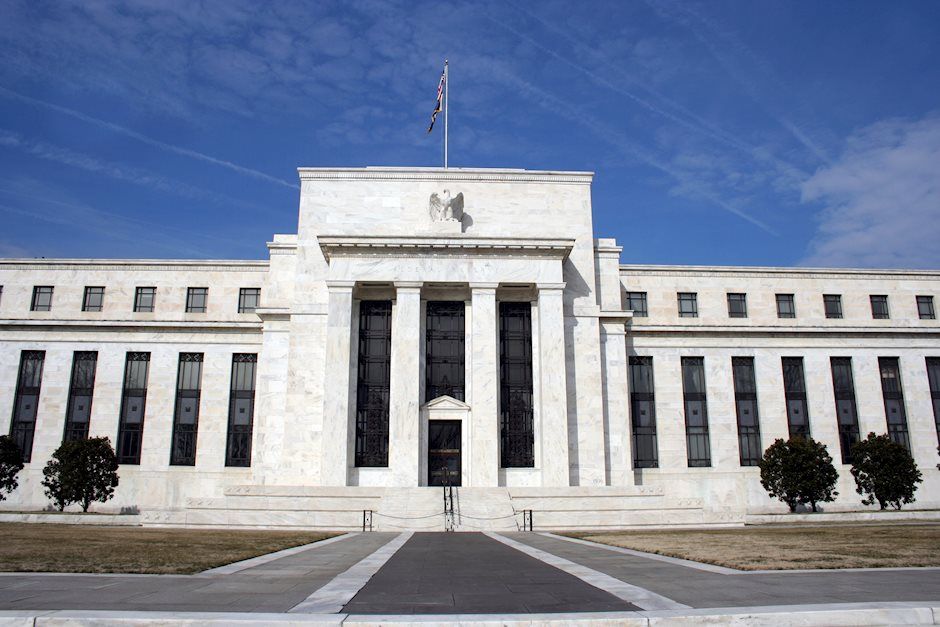

Outgoing Fed Chair Janet Yellen Received a Warm Reception at what will be her last appearance before Congress at the Fed's semiannual report to Congress on monetary policy.
In her testimony on Current Economic Outlook and Monetary Policy, Yellen expressed concerns about slow growth, inflation, and wages.
More Transitory Nonsense
Yellen repeated her message that "recent lower readings on inflation likely reflect transitory factors."
Her definition of recent must mean five years because that is how long the Fed has undershot its goal, not that the goal makes any sense whatsoever.
Yellen Ducks Question on Corporate Taxes
Republican Rep. Pat Tiberi asked about corporate taxes. Yellen ducked the question.
Pro-Growth Policies
"To generate a sustained boost in economic growth without causing inflation that is too high, we will need to address these underlying causes. In this regard, the Congress might consider policies that encourage business investment and capital formation, improve the nation's infrastructure, raise the quality of our educational system, and support innovation and the adoption of new technologies," said Yellen.
Underlying Cause of Slow Growth
Yellen needs to look into a mirror to see a key underlying cause of slow growth: "The Fed".
The Fed's group-think micromanagement of interest rates while ignoring asset bubbles coupled with excessive Congressional spending on worse than useless military meddling are two key problems that neither the Fed nor Congress sees.
Economic Challenge to Keynesians
Of all the widely believed but patently false economic beliefs is the absurd notion that falling consumer prices are bad for the economy and something must be done about them.
My Challenge to Keynesians “Prove Rising Prices Provide an Overall Economic Benefit”has gone unanswered.
The BIS did a study on deflation and concluded "Deflation may actually boost output. Lower prices increase real incomes and wealth. And they may also make export goods more competitive."
For details, please see Historical Perspective on CPI Deflations: How Damaging are They?
In their attempts to fight routine consumer price deflation, central bankers create very destructive asset bubbles that eventually collapse, setting off what they should fear – asset bubble deflations following a buildup of bank credit on inflated assets.
Today, All Praise
"As the first woman to lead the Federal Reserve, you broke a major barrier, and we are so proud of you," said Rep. Carolyn Maloney, a New York Democrat. "I would say that your tenure has been an unqualified success by every metric. You have been one of the most successful Fed chairs in history."
Please don't tell me about "successes" until after these fed-sewn bubbles pops.
Author
Mike “Mish” Shedlock's
Sitka Pacific Capital Management,Llc