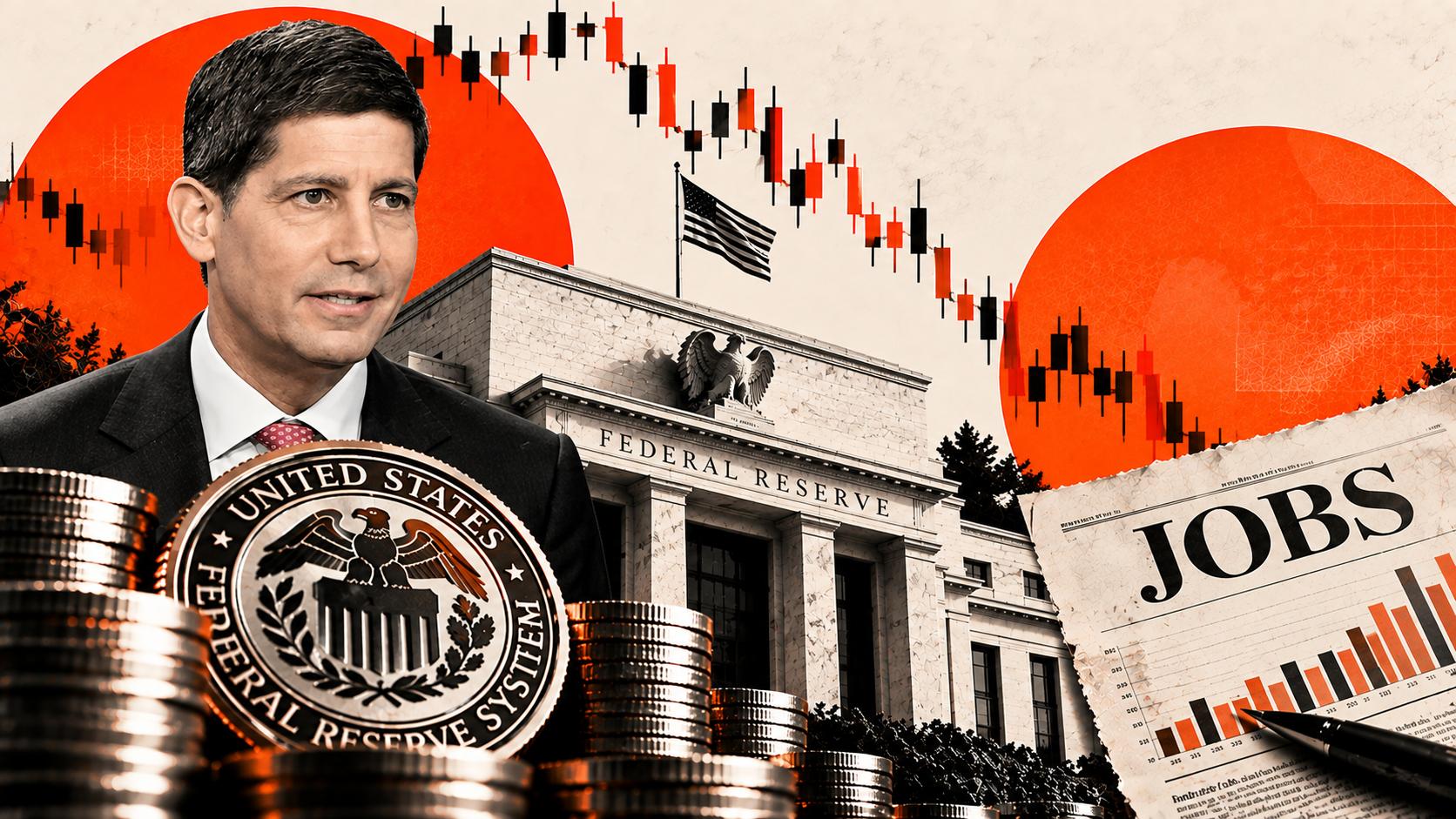
Which Chinese firms face delisting from US stock exchanges?

Geopolitical tensions between China and the US have escalated in recent years amid efforts by both countries to become the world’s economic powerhouse.
Speculations that the Chinese economy would overtake the US by 2030 have led to tit-for-tat tariffs, sanctions, and a revamp of capital market rules aimed at reducing Chinese companies’ access to American investors’ money.
Last week, the US Securities and Exchange Commission added more than 80 more companies to a growing list of Chinese firms that are facing a potential delisting from US stock exchanges.
Trump-era accounting law
Former President Donald Trump signed into law the Holding Foreign Companies Accountable Act (HFCAA) in December 2020, threatening to kick Chinese companies off US bourses if they fail to comply with auditing rules set by the US Public Accounting Oversight Board.
China has since repeatedly slammed the law, describing it as discriminatory and distorts "the basic norms of the market economy." Beijing also denies access to listed companies’ accounting documents, citing state secret concerns.
Protecting state secrets
The country's State Secret Law, which was enacted in May 1989, seeks to protect state secrets and safeguard national interests. This law has prevented the Chinese units of the Big Four accounting firms from handing over certain corporate information to overseas entities.
Even before the HFCAA was passed, the US has already expelled a number of big Chinese firms like the country’s big three telcos: China Telecom (HKG:0728), China Mobile (HKG:0941) and China Unicom (HKG:0762). China Telecom and China Mobile have since raised funds in the mainland market, joining China Unicom to tap into local capital. The Trump administration cited the company’s alleged ties with the Chinese military as the reason for the move.
Chinese oil major China National Offshore Oil or CNOOC (HKG:0883) was also delisted from the New York Stock Exchange in October 2021 for the same reason, prompting it to raise funds at home. Less than a month ago, CNOOC raised about $4.4 billion on the Shanghai Stock Exchange in one of this year’s biggest IPOs.
Most recently, more firms could be booted from US bourses after the SEC released a provisional list of firms that are found to be violating US auditing rules.
Dozens face delisting risks
Last week, more than 80 companies have been added to the list including CNOOC peers Sinopec (NYSE:SNP) and PetroChina (NYSE:PTR). Both companies are already listed on the Shanghai bourse.
Tech firms including e-commerce giant JD.com (NASDAQ:JD), Tencent Music Entertainment (NYSE:TME), Trip.com (NASDAQ:TCOM) and electric carmaker NIO (NYSE:NIO) were also added to the list last week, joining big names like aluminum giant Aluminum Corp. of China or Chalco (NYSE:ACH).
Some firms like JD.com have since vowed to protect their US listing status. The company on Thursday said it will "strive to maintain” its listing on the Nasdaq stock market and has been actively exploring possible solutions.
Market reaction
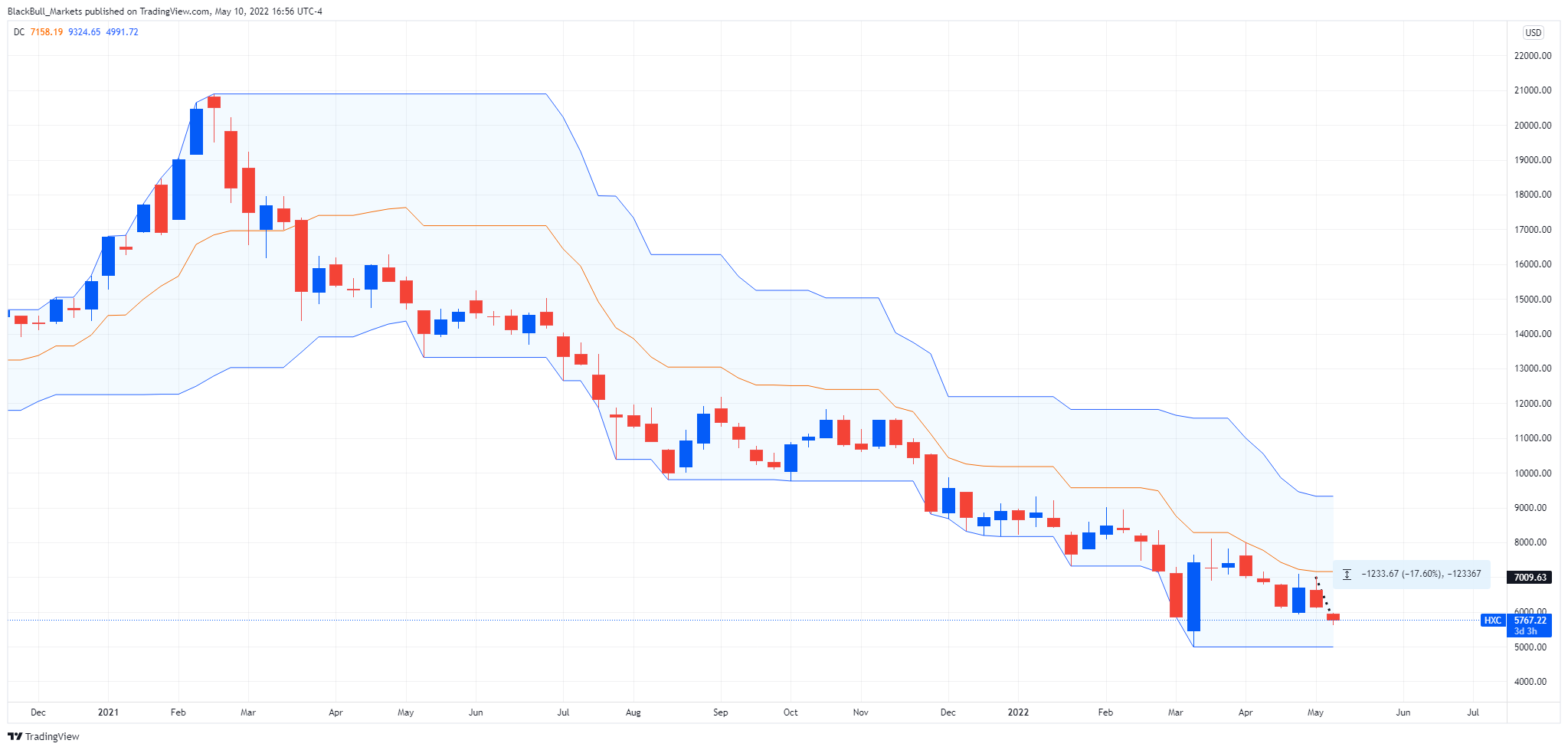
Figure 1. NASDAQ Golden Dragon China Index 1W
The Nasdaq Golden Dragon China Index, which tracks 98 of China's biggest US-listed firms, tumbled over 17% over the past five trading sessions since the May 4 SEC announcement.
The passage of the HFCAA marks the latest challenge for US-listed Chinese companies after the SEC earlier warned American investors about investing in shares of Chinese companies that operate through a variable interest entity (VIE) structure, which had been used by companies like Alibaba (NYSE:BABA) to bypass foreign investment restrictions.
The SEC warned in September 2021 that if either the Chinese firm or its US-listed shell company breach their contracts, "US investors may suffer significant losses with little or no recourse available."
Author

Mark O’Donnell
Blackbull Markets Limited
Mark O’Donnell is a Research Analyst with BlackBull Markets in Auckland, New Zealand.