Week ahead – Fed Minutes, inflation data and Nvidia earnings to guide investors
- Fed minutes may add to hawkish tone as bets of 50-bps hike grow
- Nvidia to report earnings as bar to impress high after spy scandal
- Trade and geopolitics to be focal point of Trump-Xi summit
- UK CPI and Australian jobs data in focus as pound and aussie struggle


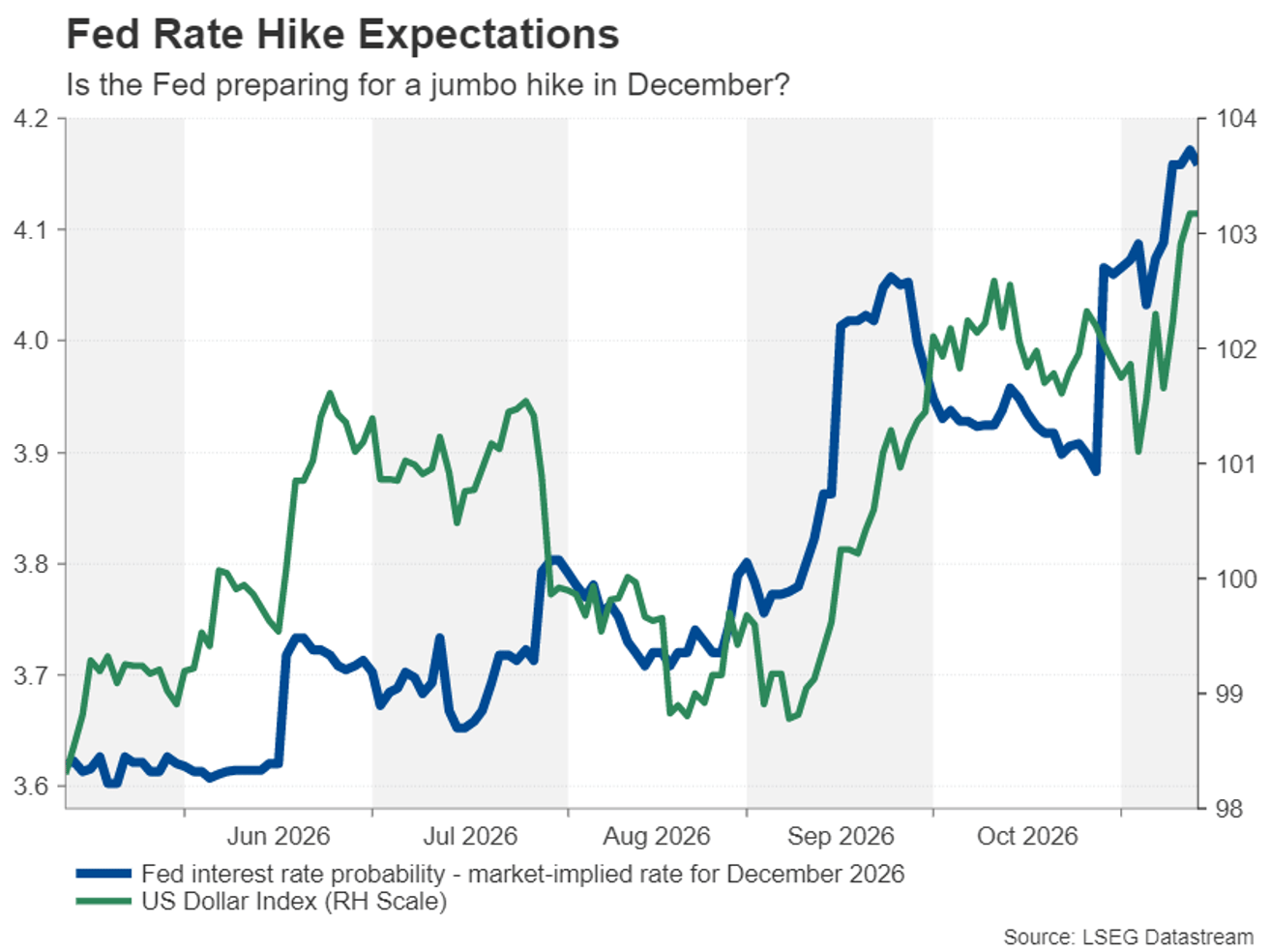
Is the Fed laying the ground for larger rate hike
Fed Governor Christopher Waller is no stranger to causing a market stir, but his comments that he’s open to a 50-basis-point hike came as a bombshell, pushing up Treasury yields and the US dollar in a sharp reversal of the post-election moves. Investors had been more relaxed about the prospect of policy tightening after oil prices nosedived following the Democratic sweep at the US midterms, which boosted the likelihood of a quick resolution to the Iran conflict.
But it seems the Fed’s battle with inflation is only just beginning. Perhaps with Fed independence being less at risk from White House interference after Republicans’ bruising defeat, policymakers are feeling empowered to take a tougher stance against inflation, or the Fed has simply run out of patience following yet another upside surprise in the October CPI prints.
What has become clear, though, is that a 25-bps hike in December is the minimum investors should expect, with around a 10% probability of larger 50-bps increase. The minutes of the October policy meeting out on Wednesday are unlikely to reveal any discussion about a double hike, but any indication that there is a growing sense of urgency among FOMC members to get inflation under control would lift those odds.
A lighter economic agenda
On the data front, retail sales will be the main highlight, as apart from that, it will mostly be second-tier releases, with earnings results likely to take precedence. Business surveys from the New York and Philadelphia Fed on Monday and Thursday, respectively, will be gauged for clues on manufacturing momentum at the start of November. Industrial production for October may attract some attention on Tuesday, while the struggling housing market will also be in the spotlight as building permits, housing starts and pending home sales are all due on Wednesday.
As for retail sales, it’s expected that there was no change in October compared to September, although excluding motor vehicle and parts, retail sales are forecast to have risen by 0.4% m/m.
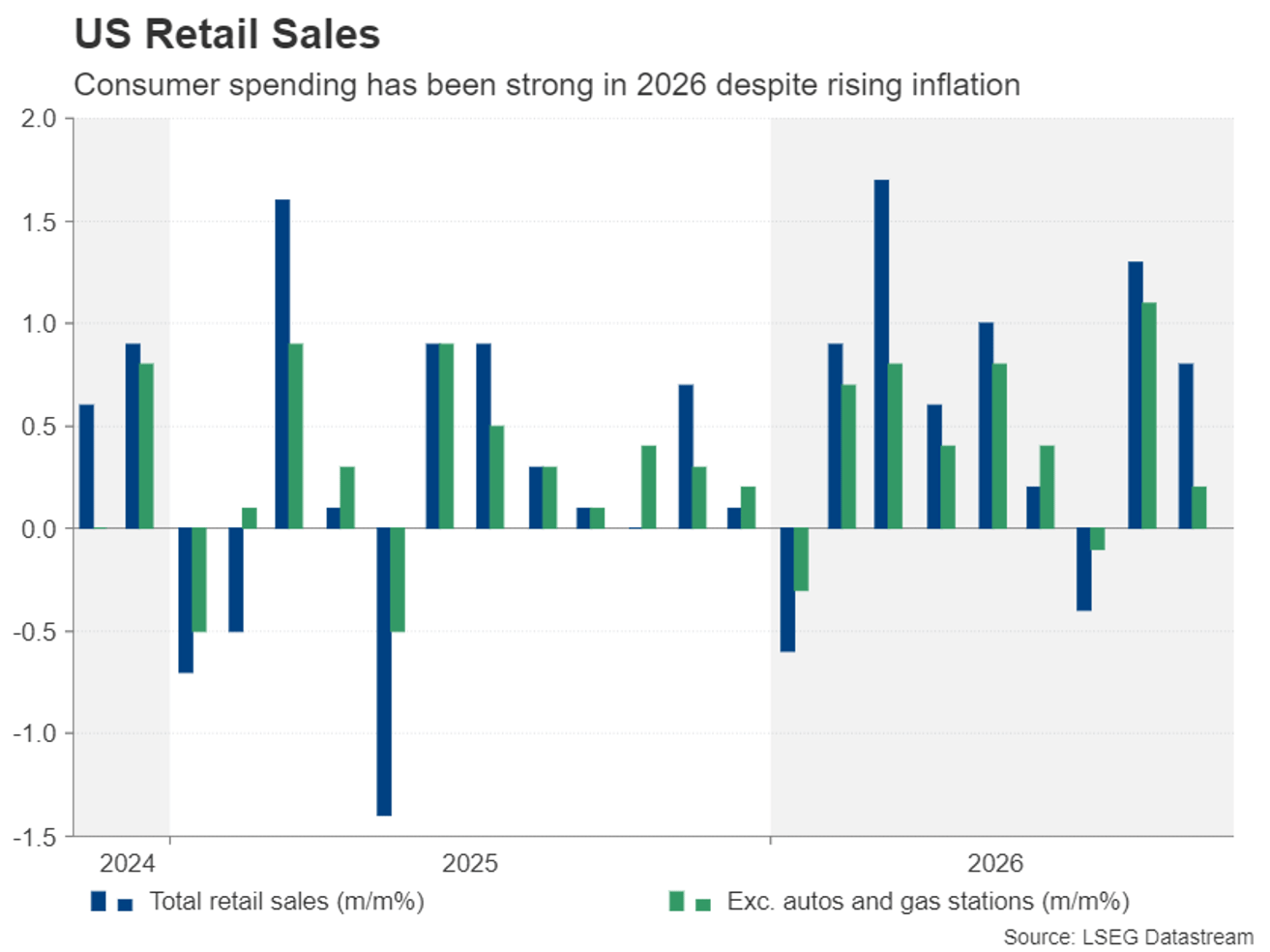
A negative surprise could take the heat off hawkish expectations for the Fed, potentially weighing on the US dollar. But on the whole, the greenback has been bolstered by the revived rate hike bets, as the 10-year Treasury yield is back above 5.0%.
All eyes on Nvidia earnings amid spy scandal
For Wall Street, however, the mood continues to swing between fear and optimism for the AI trade. The scandal involving Nvidia’s CEO Jensen Huang and his affairs with an alleged Chinese spy and two company employees couldn’t have come at a worse time for tech and chip stocks. The Q3 earnings season highlighted AI giants’ growing reliance on borrowing and free cash flows to fund their ambitious spending plans.
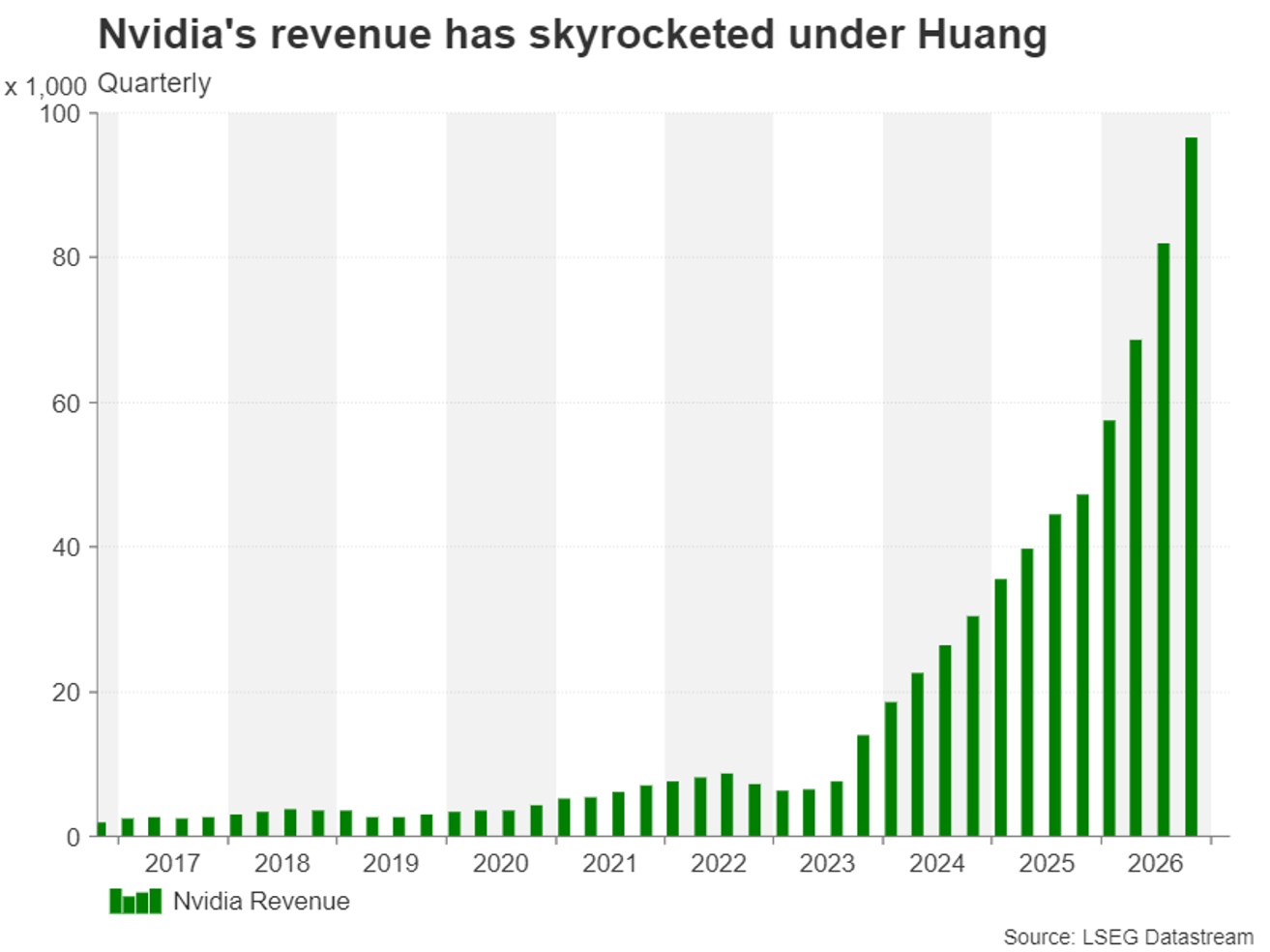
Although Nvidia is less at risk from any reduction in AI investment than its smaller rivals due to its size and more advanced chips, Huang’s shock departure makes the stock more vulnerable to a selloff if the earnings miss the estimates. In particular, disappointing guidance could trigger a new AI rout, potentially triggering another round of forced liquidations for gold and Bitcoin.
Nvidia’s results are out on Tuesday, along with Disney’s, while Walmart and Alibaba report on Thursday.
Trump and Xi meet, Putin might join
Nvidia will also likely be the topic of discussion when President Trump holds a face-to-face meeting with China’s President Xi for the third time this year at the APEC summit taking place in Shenzhen on November 18-19. The alleged espionage plot against Nvidia by China might work in favour of Washington by giving it some leverage over security concerns regarding chip exports. But it’s doubtful there will be any significant new breakthroughs over trade, and the discussions will probably focus on both countries sticking to their side of the deal of the existing arrangements.
There is also hope that trilateral talks might be held to include Russian President Putin, amid some early progress to end the war in Ukraine, while any common ground on Iran’s nuclear programme would be seen as boosting the chances of a US-Iran ceasefire and the reopening of the Strait of Hormuz.
Pound pressured ahead of string of UK data
Sterling’s impressive rally in October came to an abrupt end in November, as the hot NFP and CPI reports out of the US undid much of the unwinding in Fed rate hike bets observed between late September and late October. The pound still fares better than other risky currencies such as the Australian and New Zealand dollars, as well as the yen, but has lost out to the euro in terms of month-to-date losses.
The lack of hawkish conviction at the Bank of England versus the European Central Bank is one explanation for the change in relative performance of the two currencies versus the dollar. But the BoE’s hesitancy to hike bares similarities with the Fed where policymakers resist turning more hawkish until it becomes evident that inflation will need an extra nudge to bring it closer to target.
Wednesday’s CPI numbers may help to speed up that realization. Headline inflation in the UK jumped to 3.5% in September – the highest in a year. A further uptick in October could pressure the BoE to hike again as early as the December meeting.
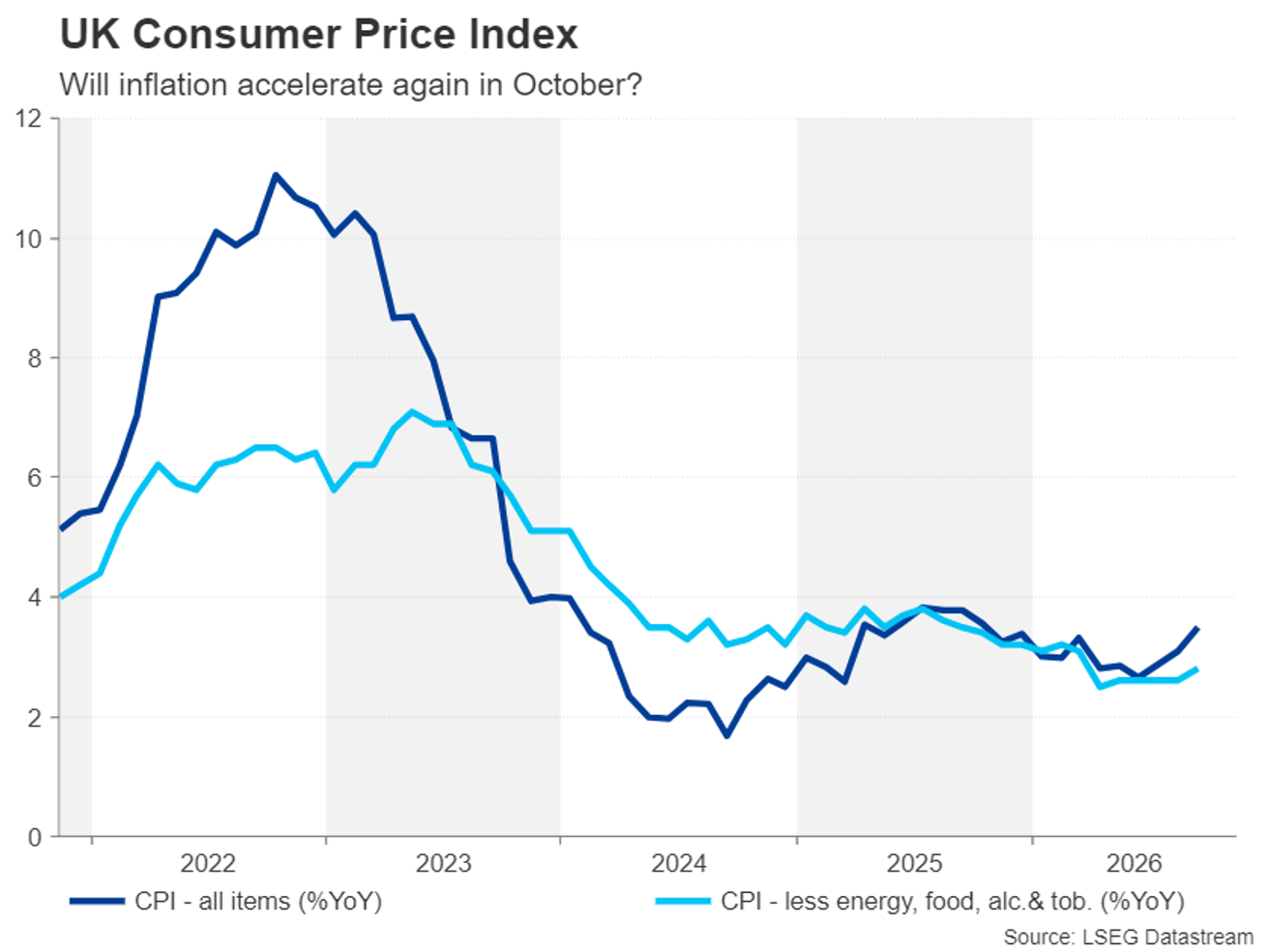
Employment and retail sales figures due on Tuesday and Friday, respectively, will also be important in shaping BoE expectations. The UK labour market has been modestly recovering this year, displaying surprise resilience, though the same cannot be said for consumer spending as retail sales growth has been quite patchy.
The pound may benefit from a broadly strong set of readings, but whether it can stage a meaningful rebound against the greenback will depend more on the rhetoric coming from the Fed, as well as geopolitical developments, which tend to be dollar positive.
Aussie looks to jobs report for relief after slump
The Australian dollar is having a terrible November, skidding almost 3% month-to-date, as doubts creep in about the likelihood of additional rate hikes by the Reserve Bank of Australia. Having already raised rates five times this year, by 25 bps each, investors don’t think further tightening will be needed now that the prospect of a new escalation in the Middle East is dimming and energy prices are falling.
With Australia’s unemployment rate fast approaching 5.0%, additional rate hikes risk slowing the economy more than is necessary to bring inflation down to the 2-3% target band. Employment data due on Thursday will show whether there was a further deterioration in October, while Q3 wage growth figures out on Wednesday will shed more light on any loosening in the labour market. A rebound in employment would help ease the Aussie’s pain.
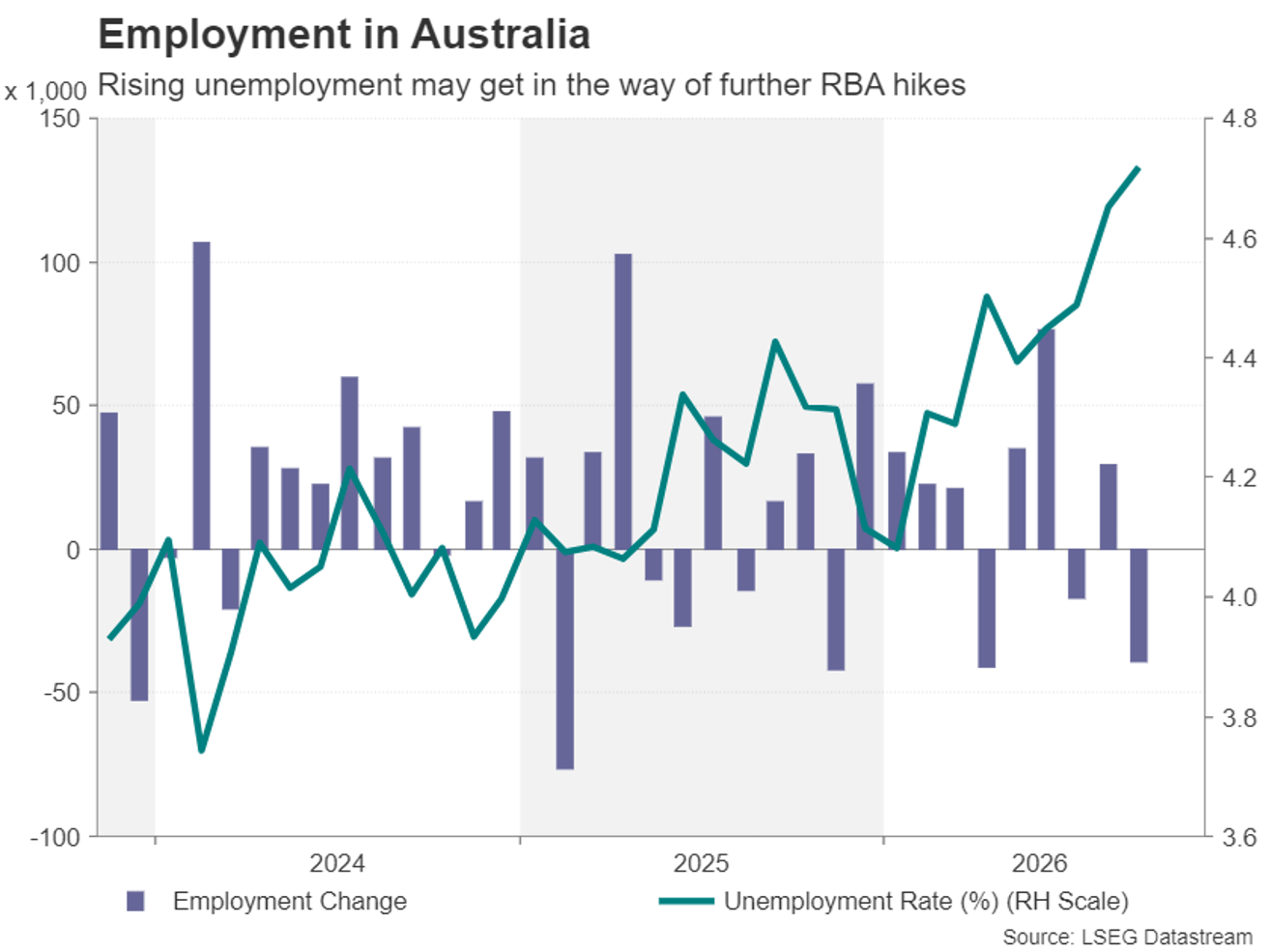
However, the minutes of the RBA’s November 3 policy meeting published on Tuesday will be just as important as any fresh clues about a pause in the tightening cycle could push the aussie to fresh lows.
Ahead of the domestic indicators, aussie traders will be watching industrial output and retail sales numbers out of China on Monday, amid lacklustre growth in manufacturing and sluggish consumer spending.
Can Japanese data prop up the Yen?
In contrast to the RBA, the Bank of Japan is far from being done hiking rates and there’s almost a 75% probability that the next 25-bps increase will be delivered in December. Nevertheless, the yen has been under pressure from the dollar’s post-CPI rally, coming dangerously close to the 160 per dollar level, raising the threat of intervention.
The upcoming week will be a data-heavy one for Japan, starting with Q3 GDP estimates on Monday, trade figures on Wednesday, machinery orders on Thursday, and October CPI numbers on Friday.
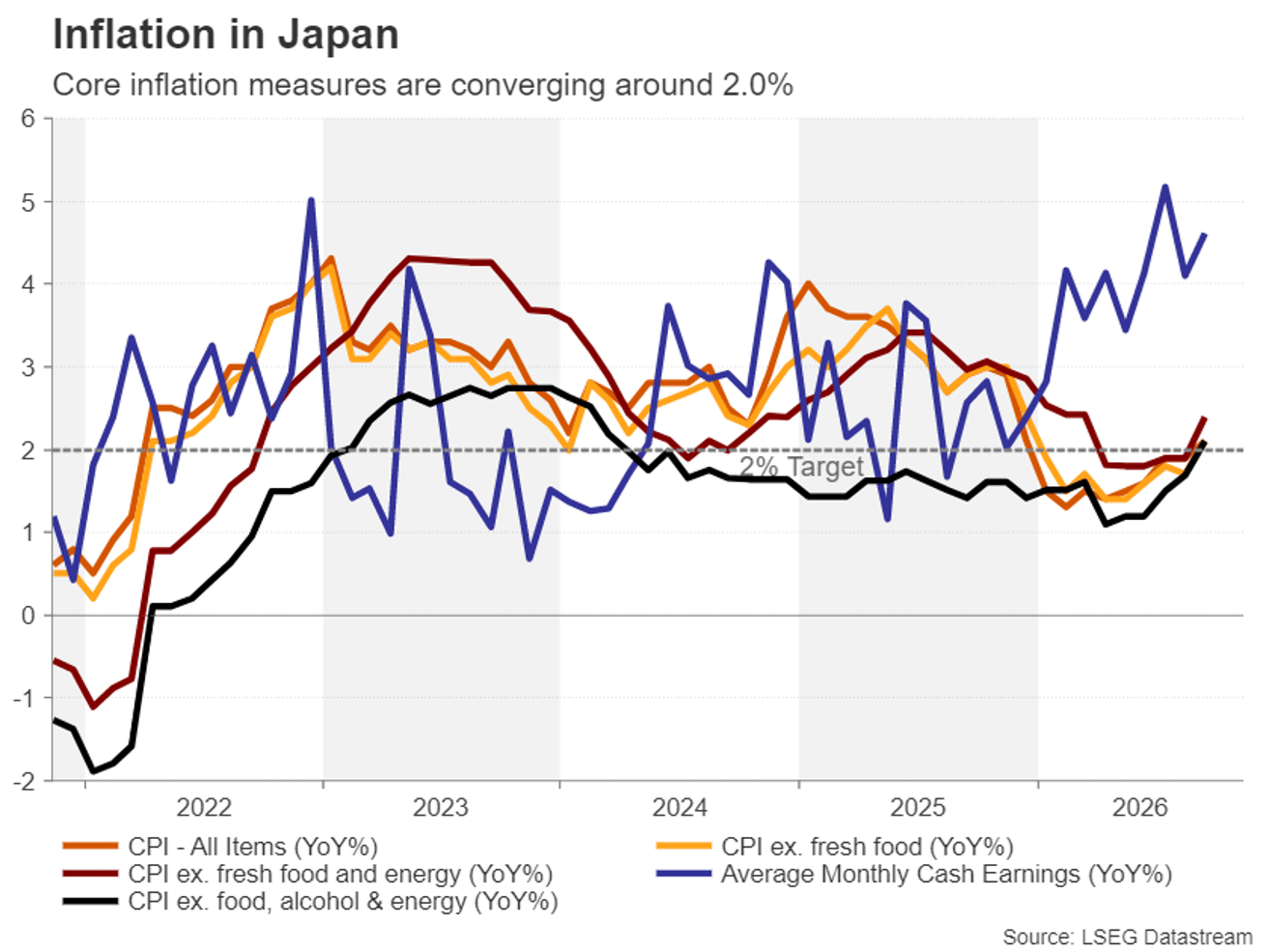
At its October policy meeting, the BoJ declared victory over deflation, as key underlying measures of inflation rose above 2.0%. The broader core measure that only excludes fresh food prices ticked up as well, to 2.1%. Another acceleration in October would reinforce BoJ tightening bets, but the yen is likely to remain bearishly biased as long as the Fed keeps up its hawkish rhetoric and US data stays hot.
Elsewhere, Canadian CPI figures due Monday will be key for Bank of Canada expectations, as the odds for a December hike are steadily rising. The New Zealand dollar will be keeping an eye on the RBNZ’s inflation expectations survey on Tuesday, as a year-end hike is almost certain, while in the Eurozone, any revisions to the final CPI readings for October on Wednesday may sway the euro.
Author

Mr Boyadjian graduated from the London School of Economics in 1999 with a BSc in Business Mathematics and Statistics.