|

USD heads lower

USD/JPY struggles to rebound

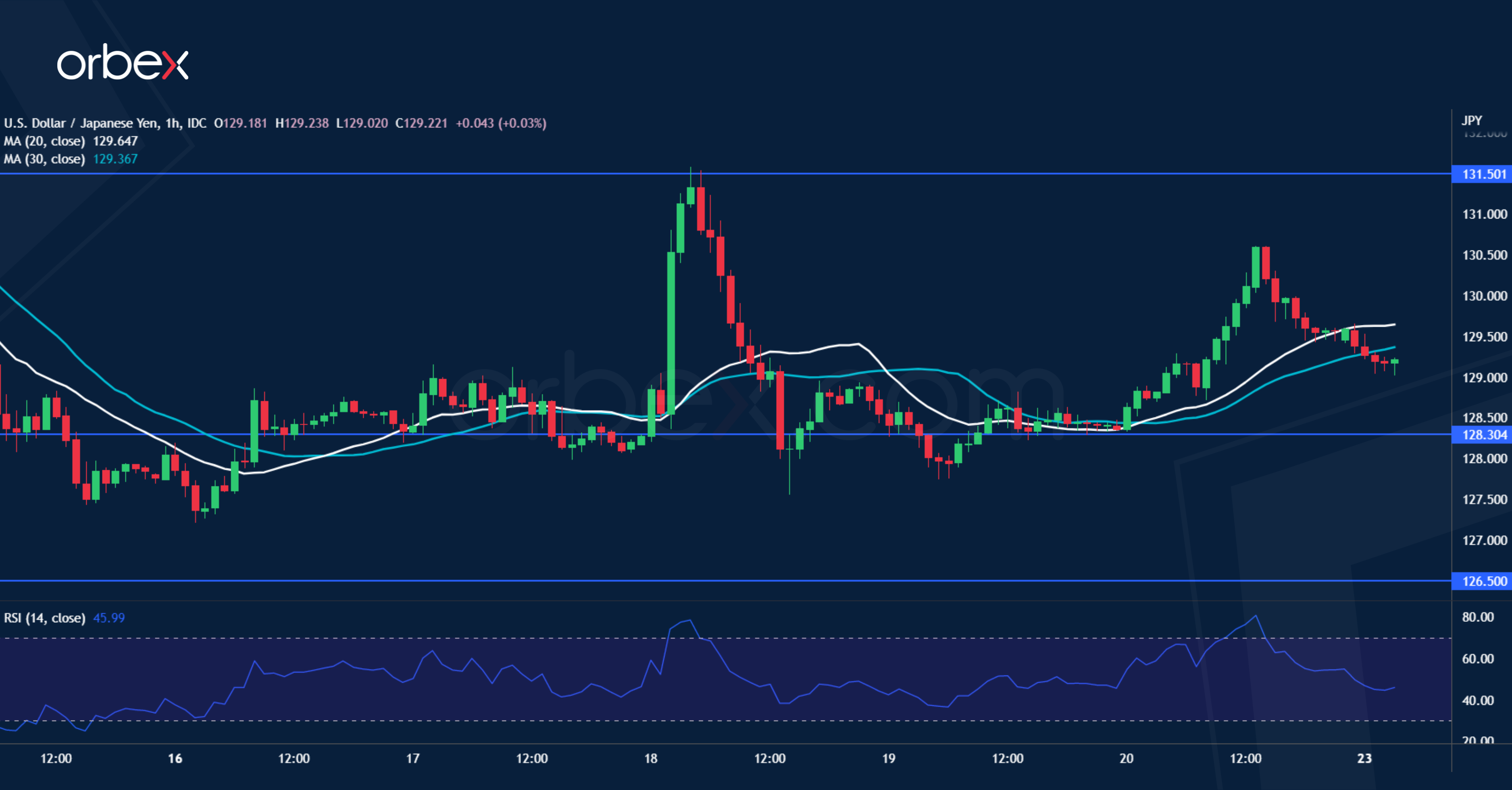
The US dollar edges lower due to bearish inertia across the board. On the daily chart, the pair is still hovering above last May’s lows of 126.50 as the bulls strive to keep the outlook rosy in the medium-term. The price action has stabilised above 127.80 with the latest bounce above 128.90 suggesting an improved mood. Still, the bulls will need to clear the faded peak at 131.50 before they could regain the upper hand. Otherwise, a drop below 128.30 could make the greenback walk on thin ice above 126.50.
Chart

EUR/GBP licks wounds

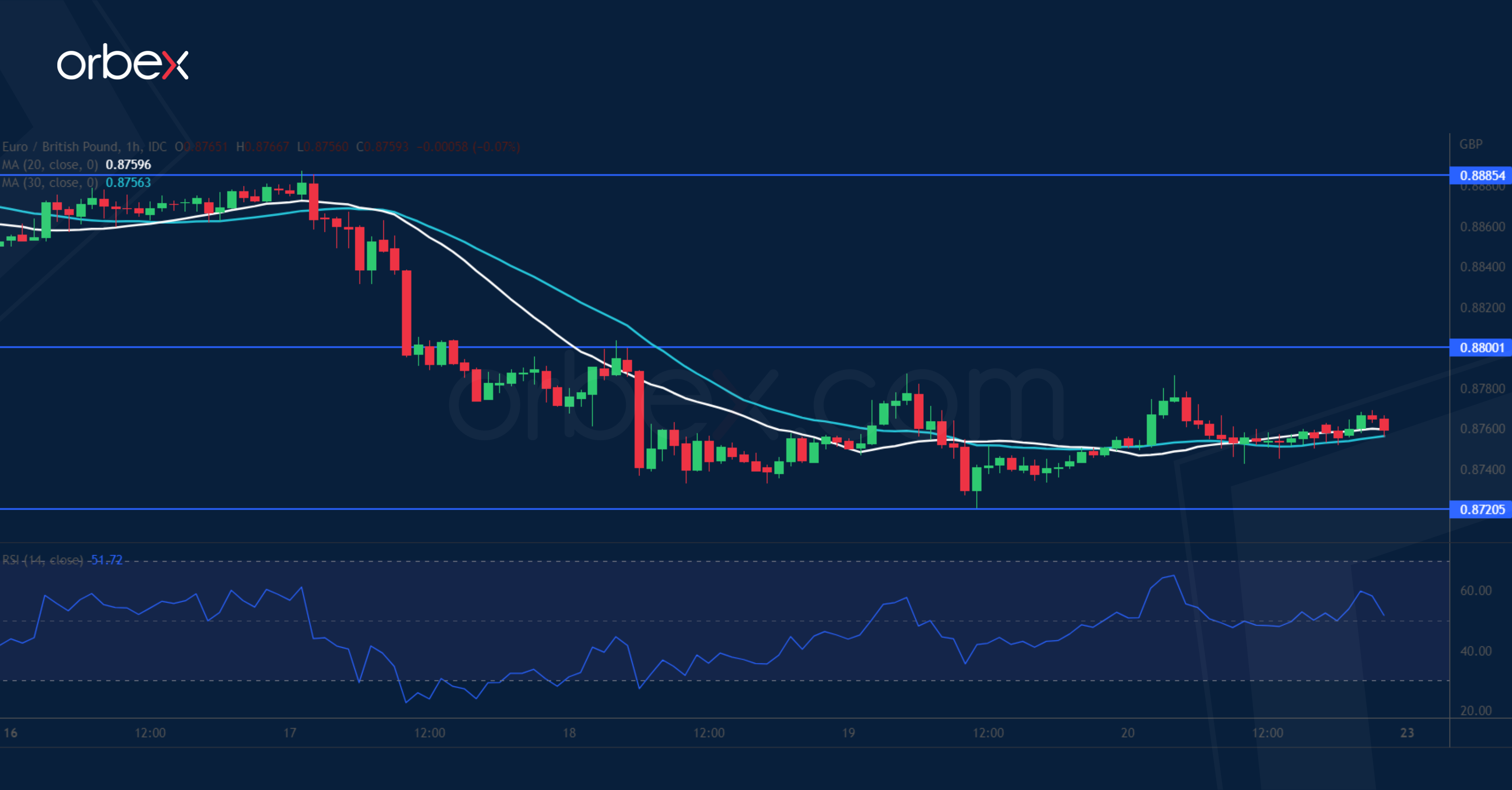
Sterling fell back over weak retail sales in December. A sharp fall below the previous swing low at 0.8770 has put the bulls on the defensive. The single currency is resting on 0.8720 at the base of the bullish breakout in late December. Sentiment has grown cautious and the sideways action may end soon in a breakout. A hold above this critical floor would challenge 0.8800 where a breakout could help the pair recover to 0.8880. Failing that, a bearish turn would trigger a new round of sell-off and send the pair to 0.8650. 
Chart

Dax 40 holds on to gains

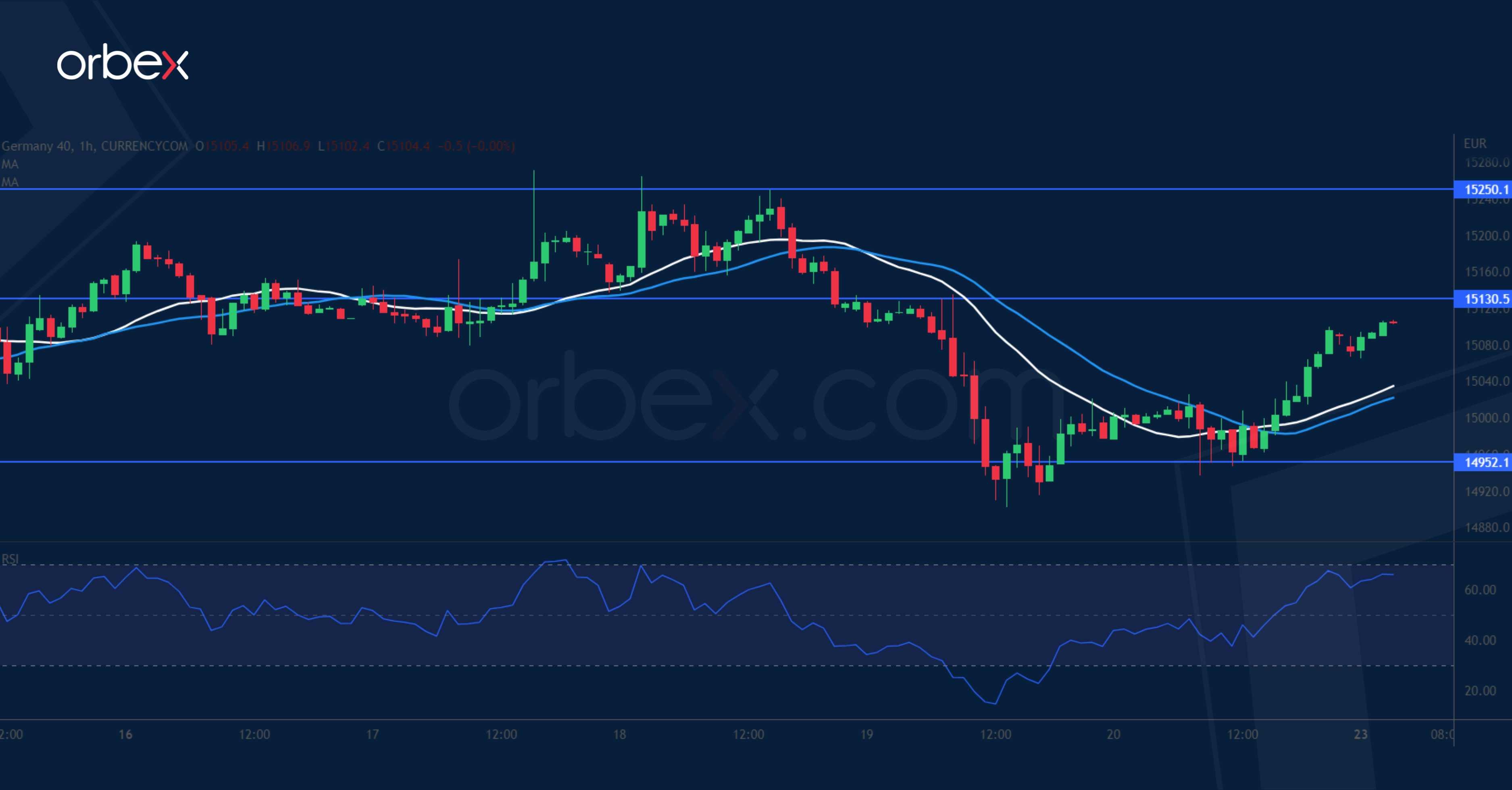
The Dax 40 recouped losses as investors saw a bargain hunting opportunity. On the daily chart, the RSI’s double top in the overbought area suggests overextension after the index recovered to a 11-month high. A break below 15100 then the psychological level of 15000 has prompted complacent buyers to look for the exit. The bounce may come under pressure at 15130 and only a close above 15250 would resume the uptrend. 14950 is a fresh support and 14800 further down is the next level to gauge buyers’ interest.
Chart

Author

Jing Ren

Jing-Ren has extensive experience in currency and commodities trading. He began his career in metal sales and trading at Societe Generale in London.


More from Jing Ren
Share:

Editor's Picks

GBP/USD holds gains below 1.3450 as markets bet on more BoE rate hikes

GBP/USD holds moderate gains but stays below 1.3450 in the European morning hours on Friday. The British Pound gains amid optimism on the UK government leadership transition and Bank of England rate hike bets. Meanwhile, the US Dollar loses ground on Middle East de-escalation and receding Fed rate hike expectations.

EUR/USD advances to 1.1450 on softer USD, ECB rate hike bets

EUR/USD advances to near 1.1450 in the early European hours on Friday, bolstered by a softer US Dollar. The European Central Bank is grappling with elevated core inflation, forcing traders to price in more aggressive tightening despite mixed guidance from ECB officials, lending support to the pair.


Gold flat lines above $4,100 amid weaker USD, Fed hike bets and Iran risks

Gold reverses a modest Asian session dip to the $4,109-$4,108 region, though it lacks bullish conviction. The US Dollar selling remains unabated for the third consecutive day in the wake of Wednesday's less hawkish FOMC Minutes and offers some support to the commodity. However, prospects of a Fed rate hike in 2026 remain active.

Zcash: Retail demand lifts ZEC price on new Ironwood shielded pool announcement

Zcash price shows mild recovery during early Asian hours, rising toward the $500 mark. Retail demand supports ZEC's recovery, with an 18% rise in its futures Open Interest, likely linked to the announcement of the Ironwood shielded pool. Technically, ZEC should clear a key Fibonacci resistance level near $520 to test its all-time high of $690.

Five sessions, one round trip: Why the whipsaw is exactly what Warsh ordered

Markets opened July with a December hike as the base case and spent five trading sessions unlearning and relearning it. A 57K payrolls print bled the tightening bets out of the strip; a re-shut Strait of Hormuz is pushing them back in. Wednesday's minutes from the June Federal Open Market Committee meeting landed mid-round-trip, describing a world that had already stopped existing.

Bye, forward guidance: How to trade when central banks choose silence

Central banks have spent years telling markets what might come next. Now, traders face the possibility that they say a lot less. From the Federal Reserve to the European Central Bank and the Bank of England, policymakers are pushing back against forward guidance.














