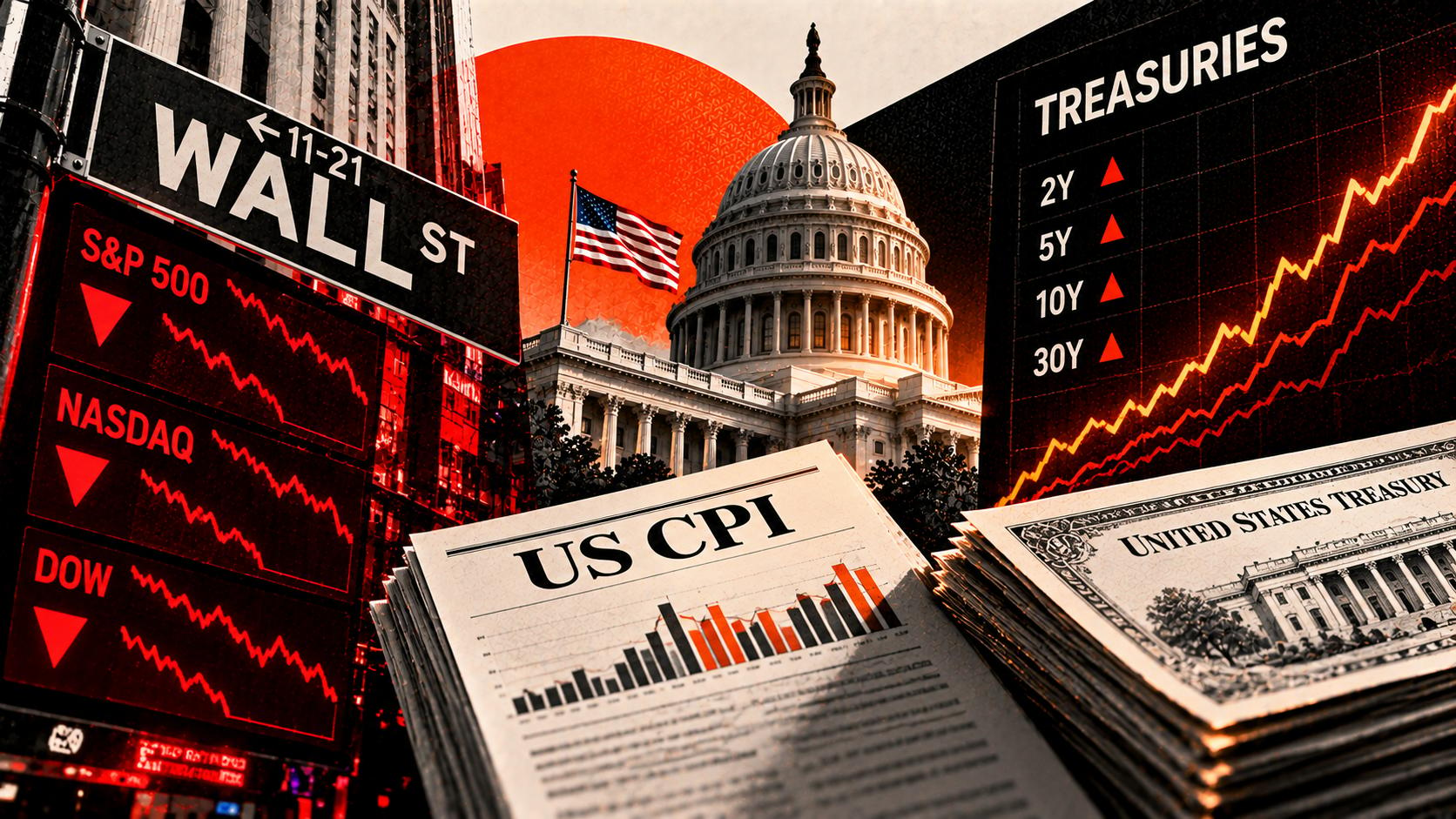
US Treasury’s Bessent said he would unveil the details of a new economic pressuring plan on Iran today

Markets
The US Treasuries went from bear steepening on Thursday into flattening going into the weekend. Yields added between 2.3 (30-yr) and 4.7 bps (2-yr). The (very) long end of the curve thereby almost fully erased the kneejerk drop following the US Treasury buyback announcement. The limited size (>$4bn per operation) was never going to have a material impact but the fact that markets are completely ignoring the signal (rather than substance) of the move, should worry Treasury. Front-end bonds meanwhile underperformed, pressured by a blow-out August PMI which is indicative of annualized growth approaching 3% in Q3. The composite figure rose to a 52-month high (56), driven by the services sector (56.8). The better-than-expected euro area PMIs barely left a dent. Money markets have fully discounted an ECB September rate hike and it would have required a substantial surprise for market to change any of the short-term views. German bund yields went into the weekend little changed (<1 bp across the curve). In currency markets, EUR/USD copy pasted Thursday’s script. Another attempt during European hours to take out the 1.17 failed with the pair eventually ending the week around 1.168. The trade-weighted index inched slightly lower, though off the intraday lows, to close at 98.8. USD/JPY posted similar negligible losses (158.95). A jampacked UK eco calendar, containing a labour market report, inflation numbers, retail sales and PMI business confidence failed to inspire GBP trading. EUR/GBP ended the week around 0.856 compared to 0.854 in last week’s opening. Brent crude rose to its highest level since mid-July ($94.4). US Treasury’s Bessent said he would unveil the details of a new economic pressuring plan on Iran today, keeping (oil) markets on edge. A press conference is scheduled for tonight. In an oped published by the Financial Times yesterday, Bessent is particularly lashing out at Iran’s trading partners: “And any nation that serves as a financial artery of a withering regime should expect to share in its isolation. To become a sanctuary for terror is to become, in the eyes of the United States, a global pariah.” In the presser, Bessent is also expected to announce some form of fiscal consolidation. While that would address the root cause in (long-term) bond yields, it will have to be credible and sizeable enough to convince the bond vigilantes. Treasuries inch a little higher this morning but we would err to the side of caution. The US dollar begins the new week little changed. Focus after today turns to Wednesday’s Nvidia earnings and of course the Jackson Hole Symposium. The apex is chair Warsh’s speech on Friday. Is he willing and able to help stem pressure on the bond market by, for example, putting a rate hike more prominently in the market (and suppressing the inflation risk premium in long term bond yields)?
News and views
Canada walked away from US trade talks on Friday, allowing Trump’s 50% tariff treat (based on a never-beforeused provision in the Tariff Act of 1930) on $20bn of Canadian goods to come into effect. A few days ago, a framework deal included a reduction of auto tariffs to 15% and steel/aluminum tariffs to 25% subject to quotas. Canadian PM Carney stuck with his mantra that no deal is better than a bad one and has broad backing amongst Canadian people and politics with his tough stance. He vowed to retaliate with dollar-for-dollar tariffs on US goods, effective from September 8. People close to the matter indicate little chance of new talks between the two nations before US midterm elections. The Canadian dollar is slightly weaker this morning at USD/CAD 1.38, but damage remains small especially taking into account the Summer move from USD/CAD 1.42 to 1.3750 backed by higher energy prices and a weaker overall USD.
Poland avoided a rating downgrade this weekend after rating agency Fitch decided to keep both its A- rating and its negative outlook in place. The negative outlook reflects the absence of a credible fiscal consolidation plan, domestic political challenges and risks of pre-election fiscal easing, which have reduced Fitch's confidence in the authorities' ability to deliver additional fiscal measures and contain high fiscal deficits. Fitch expects the general government deficit will remain elevated at 6.9% of GDP in 2026 and narrow only marginally to 6.7% of GDP in 2027 (vs 6.2% forecast in February) and 6.1% of GDP in 2028. Persistent primary deficits and borrowing to cover off- budget spending are expected to push the Polish debt ratio from 59.7% of GDP in 2025 to 72.7% in 2028. Real GDP growth is seen slowing from 3.3% this year to 2.9% next year. Private consumption will moderate on slower real wage growth, while completion of projects under the Recovery and Resilience Facility and high defense spending will support investment.
Author

KBC Market Research Desk
KBC Bank
KBC's Market Research Desk publishes a number of short-term reports.