Trade war is on – Navarro: “No negotiations”
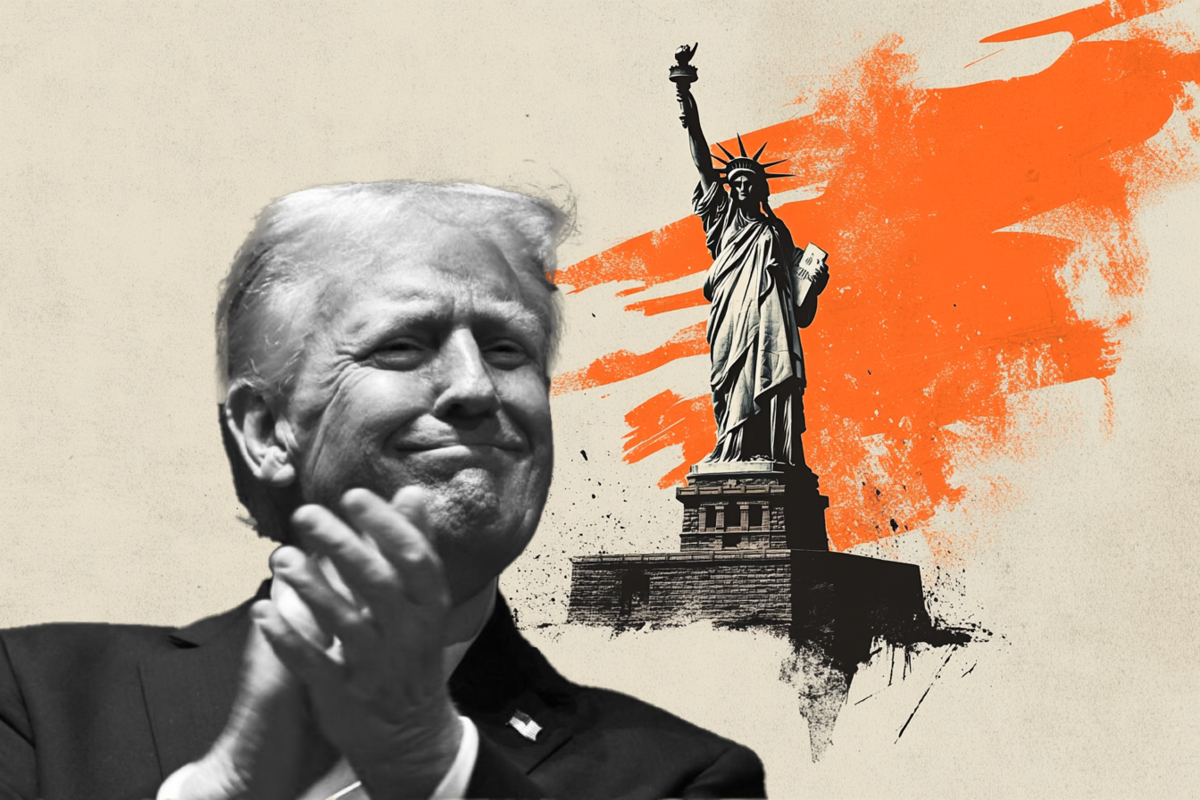

Donald Trump has ignited a global trade war by enforcing sweeping new tariffs, defying market turmoil and criticism from business and political leaders.
Donald Trump has launched a full-blown trade war, enforcing major tariffs on China, the EU, and other key trading partners, despite financial market turmoil and warnings from business leaders. The new tariffs, including a massive 104% levy on Chinese goods, came into effect at midnight in Washington and signal a major shift away from decades of global trade liberalization.
Markets plunged in response, with US Treasuries, Japanese bonds, and S&P 500 futures falling sharply. In Asia, the sell-off continued as investors reacted to the move. Oil prices also dropped, with Brent crude falling 4% and West Texas Intermediate hitting a four-year low. Around $6.2 trillion has been wiped off the S&P 500 index since Trump first announced the tariffs last week.
Trump has pushed forward with his aggressive trade agenda since returning to office, claiming the global economic system has taken advantage of the US. Despite behind-the-scenes efforts by Treasury Secretary Scott Bessent to start talks with countries like Japan and South Korea, Trump publicly dismissed the need for new trade deals, saying, “I know what the hell I’m doing.”
In a post on Truth Social, he positioned himself as a champion for American workers over corporate interests. But his approach has sparked fears of inflation, recession, and a broader global slowdown. Goldman Sachs analysts warned the market reaction signals a major downgrade in US growth expectations.
The tariffs have also created internal rifts. While Bessent speaks of possible negotiations, Trump’s trade advisor Peter Navarro insisted there would be none. Elon Musk harshly criticized Navarro, calling him a “moron” for attacking his opposition to the tariffs. Even some Republican allies have pushed back, highlighting the deepening divide over Trump's protectionist path.
Author
Jacob Lazurek
Coinpaprika
In the dynamic world of technology and cryptocurrencies, my career trajectory has been deeply rooted in continuous exploration and effective communication.