The week ahead: Europe in the spotlight, as investors digest impact of payrolls
- Europe takes the spotlight.
- The fallout from payrolls.
- Tech stocks still in vogue.
- Payrolls to set the tone for October trading.
- Can US stock market breadth broaden out now an October hike is off the table?
- Have we reached the peak for sovereign bond yields?
- Pressure on French yields likely to remain.
- Will the 10-year yield fall below 5%?
- Sky-high earnings expectations a risk for the AI rally.
- What to watch in the week ahead.

Will bond market contagion take hold in the Eurozone?
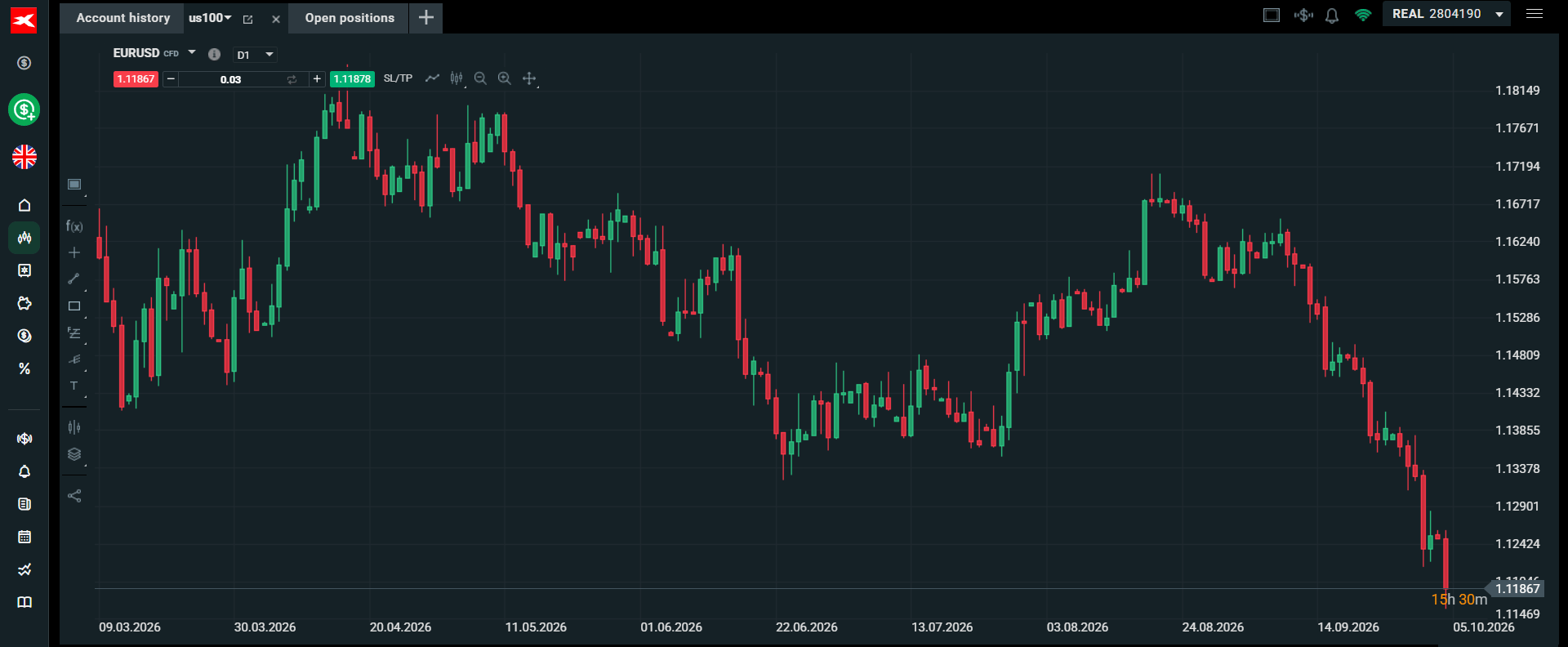
Europe is taking the spotlight at the start of the week, as fiscal and political concerns hit the bloc. The euro is lower by 0.5% and is extending losses on Monday, and EUR/USD is back below $1.12, its lowest level since May 2025. France is the epicentre of the concerns, however, Spain is also set to get ready for an early election, which is adding to investor worries.
All eyes will be on any signs of contagion in Europe’s bond market, after French bond yields surged last week and the spread with Germany reached debt crisis levels. The question now is, will Spain be next? The fact that French bonds and the euro sold off last week and the downward momentum could persist this week, is a sign that Europe is out of favour with investors and bond market vigilantes are watching developments in the Eurozone closely.
As we move through Monday, the focus will be on whether the drop in the oil price can placate the bond market. Brent crude oil is lower by nearly 1% today, although it remains above $101 a barrel.
The double whammy of higher oil prices and rapidly rising sovereign bond yields have battered financial markets in recent weeks, however, investors will be looking to see if the reprieve on Friday will continue into the new week. The much weaker than expected US payrolls report for September has led to a fading of October rate hike expectations from the Federal Reserve, with a 22% chance of a hike now priced in. In Europe, French fiscal concerns may also see the ECB slow the pace of tightening in the coming months
Tech stocks still in vogue
As we start a new week, the hurdle for an October rate hike from the Fed and the ECB is high. This helped US stocks to rally on Friday and the Nasdaq 100 reached a fresh record high. There was a broad-based risk ally at the end of last week, led by consumer discretionary and tech stocks, which benefitted most from the weaker payrolls reports and the drop in rate hike expectations.
There was a clear preference for US and Asian stocks over European stocks last week. Although the FTSE 100 rallied on Friday, the UK index fell more than 2% for the week as a whole. The Dax and Eurostoxx indices both dropped, while the S&P 500 eked out a 0.2% gain and the Nasdaq 100 rose by 0.8%, led by mega cap tech and semiconductor stocks.
Payrolls to set the tone for October trading
The impact of the weaker than expected payrolls report, 29,000 jobs were created in the US last month, the uptick in the unemployment rate and the pullback in wage growth could set the tone for financial markets in the coming weeks, as the US labour market data is not adding to inflationary concerns.
Can US stock market breadth broaden out now an October hike is off the table?
However, it is worth noting that oil prices remain elevated, and although there is hope that risk appetite could pick up in October, it is historically a very volatile month for stocks. The key question for stock markets is whether the AI-linked rally can spread to the rest of this market, as stock market leadership in the US has been narrowing. Energy and tech have led US markets higher, with sectors like consumer discretionary, utilities, communications and financials all posting YTD losses. Consumer staples and real estate names are also underperforming the overall index.
The lack of breadth in the US stock market so far this year paves the way for a rally into year end. Typically stocks tend to rally as we lead up to Christmas, and signs that the Fed won’t hike rates by as much as expected, and a strong Q3 earnings season could power a Q4 rally, which may spread to Europe.
Have we reached the peak for sovereign bond yields?
The focus this week is whether we have reached a peak for sovereign bond yields. UK Yields stabilised last week and Gilts outperformed their global peers. The 2-year yield fell by a basis point, and the 10-year yield rose by less than 2bps. In the US, Treasury yields rose at the long end, but 2-year yields fell by nearly 3bps as October Fed rate hike bets were scaled back. The focus was on French yields, which were hit hard by bond market vigilantes as fears about a fractured French parliament and concerns over the widening budget deficit keep investors alert for risks.
Pressure on French yields likely to remain
French yields were the clear under-performers last week, with yields rising across the curve. The yield spread between France and Germany surged to more than 1.5% last week, the highest level since the Eurozone debt crisis. French yields will be in focus again this week, as investors remain concerned about the fiscal outlook. It will be worth watching to see if they put further pressure on French bonds and test the ECB’s willingness to step in and stabilise the bond market. The euro also struggled last week, and if French yield continue to rise, EUR/USD could see a move back to $1.10.
Sovereign bond yields remain a concern
Although inflation concerns are easing and rate hike bets are being dialled back, US Treasuries are still an issue for stock traders. The 10-year US Treasury yield is trading at 5.28%. Another rout in Treasuries, and the 10-year yield could surpass 5.5%, which would likely mean economic and financial pain.
As we wait for Q3 earnings season, investors could get nervous after the Nasdaq hit a fresh record at the end of last week, and the S&P 500 is only 1% away from record highs. The largest contributors to the rally in the Nasdaq over the last three months are AI stalwarts, Nvidia, Microsoft and Apple.
Sky-high earnings expectations a risk for the AI rally
The problem for the tech sector is that earnings expectations are sky high. Analysts are expecting earnings growth for the sector of 65%. If they can reach this level it would give confidence that tech stocks are resilient to rising yields, but if they fall short, then we could see investors take fright.
It has not been a straight line for tech stocks this year, as massive Capex investment has led to record debt issuance for the AI build out. This has led to large swings between inflows and outflows into tech stocks.
Investors have accepted that interest rates and bond yields will stay elevated for the foreseeable future, but it is not clear how long that can last for. This could keep tech stocks range bound this week as we wait for further direction from earnings season.
What to watch
It is a fairly quiet economic and earnings calendar this week. Fed and ECB minutes are the highlights. Below, we take a look at how these events could move markets.
Fed minutes
In the US, the market is still digesting the shock weakness in the US labour market data. This weighed on the USD on Friday and pushed stocks to record highs. The focus this week will be on the fed minutes that are released on Wednesday.
Rate hike bets have been scaled back since the weaker payrolls data and the core PCE data for August. Although we expect the minutes to show that FOMC members are worried about the outlook for inflation, recent economic data suggests that the Fed has time to hold on and wait for further evidence that new price pressures are building before raising rates again.
Added to this, the minutes could show that some Fed members are concerned about the fast pace of rate hikes. Last week, two Fed members, Williams and Jefferson, said that they saw no need to hike rates. This took the edge off the sharp rise in Treasury yields, although the 10-year continued to remain at elevated levels.
The market is likely to look through this week’s minutes, especially as the subsequent data suggests inflation pressure may be easing. However, if the minutes do suggest that Williams and Jefferson are not the only dovish voices at the Fed then we could see US Treasury yields retreat further and the dollar come under pressure.
ECB minutes
These minutes seem outdated as French financial concerns grip investors. However, inflation is rising sharply across the Eurozone and they could be a useful to gauge to see how motivated the ECB is to subdue price pressure.
The minutes may not give us an indication about how likely the ECB is to intervene to stem French bond yields, but they will be important for the euro, which was the weakest of the major currencies last week. The euro index dropped 1.3% last week, and is down 4% YTD. If French bond yields continue to decline, then we could see more weakness in the single currency. EUR/USD fell to its lowest level in a year last week, although it found some short term support at $1.1250. Another rout in the French bond market, could send this pair back towards $1.10, a key psychological support level for this pair.
Chart 1: EUR/USD
Author

Kathleen Brooks
XTB UK
Kathleen has nearly 15 years’ experience working with some of the leading retail trading and investment companies in the City of London.