The Oil market is the metronome and every other asset is dancing to its beat
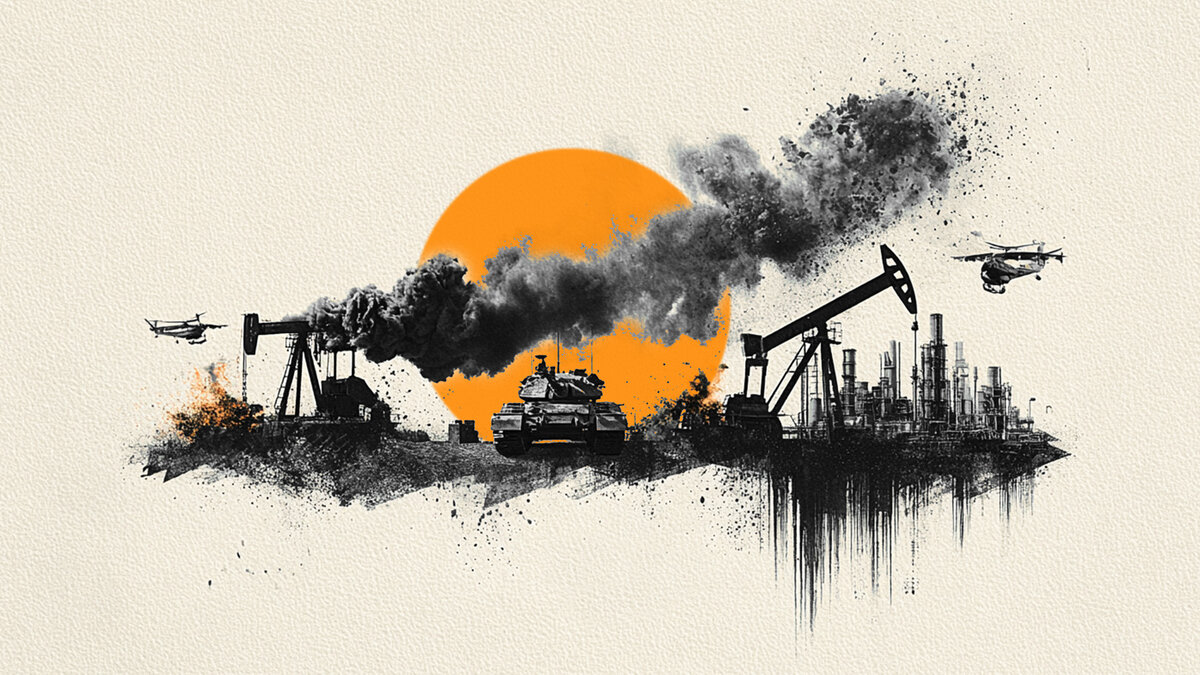

Right now, the entire macro landscape can be reduced to a single rule that traders understand instinctively. Follow the oil market bouncing ball. Every tick in crude is sending shockwaves through equities, bonds, FX, and even crypto like a stone dropped into the middle of a still pond. The escalation in Iran has turned energy into the metronome of global risk, and everything else is simply trying to keep time with it. When oil surges, the tape stiffens, yields grind higher, and equities lose their footing. When oil exhales even slightly, the relief bid immediately spills back into risk assets. This is not subtle portfolio rotation. It is cross asset reflex.
The latest session was a textbook example of how quickly the tape can turn when energy starts calling the shots. Overnight, oil spiked as attacks across the Gulf intensified, and the cross-asset reaction was immediate. Stocks slipped, bonds sold off, and Bitcoin sank as the inflation impulse embedded in higher energy prices forced investors to rethink how quickly central banks can pivot toward easier policy. Layer on top of that fresh chatter that Washington may tighten the screws on artificial intelligence chip exports through a permit regime, and the pressure on semiconductor names accelerated the move lower. The combination proved toxic for the broader market, ultimately dragging the S&P 500 below the key technical tripwire of its 100-day moving average.
Later in the session, it was still very much a case of following the bouncing oil ball. The market was reminded of that reality when headlines suggested that Iran was seriously considering safe passage arrangements for Chinese-bound Crude and Qatari LNG shipments through the Strait of Hormuz, effectively confirming reports that first surfaced on March 3. The moment traders sensed even a slight reduction in shipping risk, the reaction was immediate, all the more so with the world’s largest energy consumer potentially donning the safe passage flag. Brent slipped back below $84, the S&P 500 bounced from its lows and pressure in the bond market eased. One headline and the entire cross-asset matrix pivoted in seconds. That is the defining feature of the current tape. This is not an environment for grand narratives. It is a trader’s market where capital moves at headline speed.
The deeper problem lurking beneath the surface is that energy inflation is creeping back into the macro equation just as markets had convinced themselves the disinflation story was secure. If crude remains elevated, the result is an uncomfortable policy cocktail where inflation expectations rise while growth expectations wobble. At that point, the risk stops being a simple growth wobble and morphs into the far uglier combination of slower growth and rising inflation, the moment when the stagflation clouds roll in, and the rain starts falling over Wall Street.
Bond markets are already reacting. The global rout in sovereign debt continued with the US 10-year yield rising for a fourth consecutive session. The message from the rates complex is clear. Higher oil prices threaten to reignite inflation pressures, complicating the Federal Reserve’s path towards rate cuts. The timing of this situation is awkward because the market is now heading straight into the payrolls report, with positioning already fragile. Claims data indicate the labour market remains tight, with layoffs near some of the lowest levels of the past year. If payrolls come in strong, it reinforces the idea that the Fed cannot rush into easing even as energy prices climb. If the number disappoints, traders will immediately price in rate cuts again, but then the market faces the uncomfortable combination of slower growth and rising inflation—the point where stagflation concerns intensify and uncertainty clouds Wall Street.
Washington is clearly aware of the political and stock-market optics of rising gasoline prices during a midterm election cycle. The Trump administration is openly discussing a menu of responses ranging from tapping the Strategic Petroleum Reserve to loosening fuel blending rules. The most intriguing idea circulating in policy circles is the possibility that the US Treasury could intervene directly in oil futures markets. That would be an extraordinary step. The United States is already the largest producer and one of the largest consumers of crude. If it began actively trading oil contracts, it would instantly become the most powerful price setter on the planet.
In theory, such a move would allow Washington to draw visible lines in the sand around key price zones, perhaps near $75 or $80 for WTI. The signal would be unmistakable. Push prices above that range and the world’s largest balance sheet steps into the market. Of course, traders would immediately probe that boundary, just as currency markets test central bank intervention. Oil desks would challenge the resolve and measure how deep the government’s pockets really are. Yet even the discussion of such intervention has already taken a bit of speculative heat out of the market.
What matters most is how quickly that oil narrative moves through the broader asset complex. The greenback in particular, a high-beta energy currency, is beginning to look like a wrecking ball aimed at countries that rely heavily on imported fuel. Nowhere is that vulnerability more obvious than in parts of Asia where economies like Japan and Korea must import virtually all the energy needed to keep the lights on.
In short, the message from the market could not be clearer. The energy complex has reclaimed its role as the master switch of global macro. Every portfolio manager, macro desk and algorithm is staring at the same dashboard. Oil up means inflation risk up, yields up, and equities wobble. Oil down means the pressure valve releases, and risk assets breathe again. Until the geopolitical fire in the Middle East burns out, that rhythm will continue to dictate the tempo of trading. In this environment, the smartest move is not to chase narratives but to keep one eye glued to the crude screen because right now, oil is not just another commodity. It is the conductor of the entire financial orchestra.
View
The irony is that the prior day’s melt-up had no real macro catalyst to justify the exuberance. The economic data was strong. ADP and services activity both printed firmly in expansion territory. In the current regime, that should have been bearish for equities because strong data pushes rate cuts further into the future. Yet when the tape is green, the analyst's narrative machine shifts into comfort mode and starts delivering lines about markets working things out. That kind of thinking might hold in a quiet cycle, but it collapses the moment the energy complex becomes the transmission channel for geopolitical risk. Oil shocks do not politely negotiate with equity valuations. They bulldoze through them.
Author
Stephen Innes
SPI Asset Management
With more than 25 years of experience, Stephen has a deep-seated knowledge of G10 and Asian currency markets as well as precious metal and oil markets.